

How Does an IC Card Dispenser Precisely Issue Cards? A Technical Deep Dive
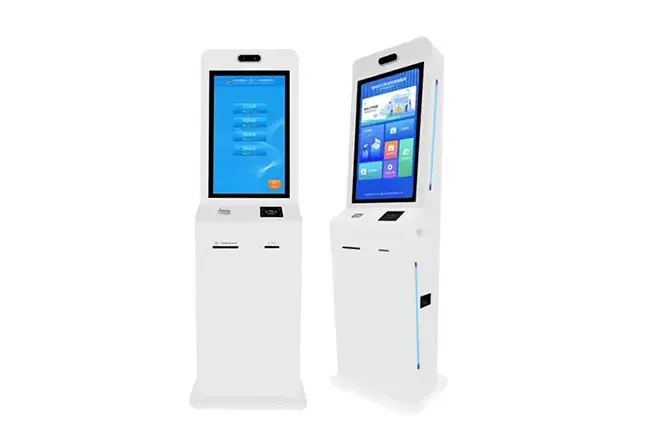
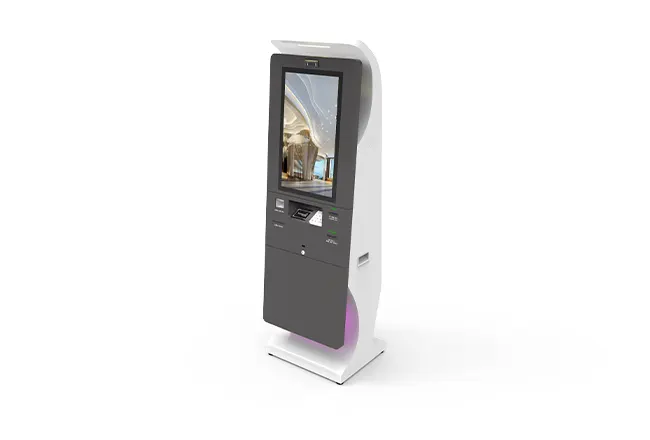
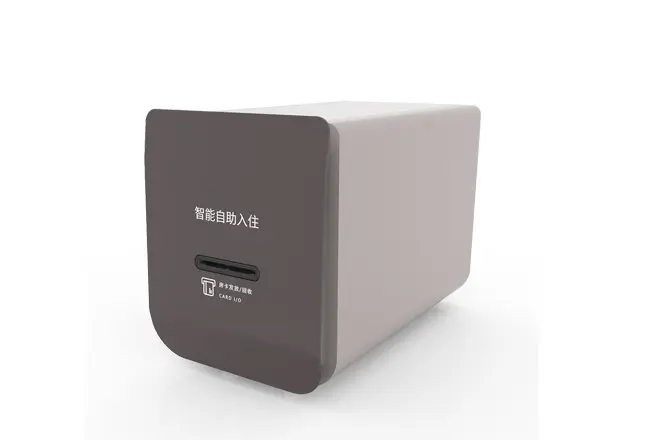
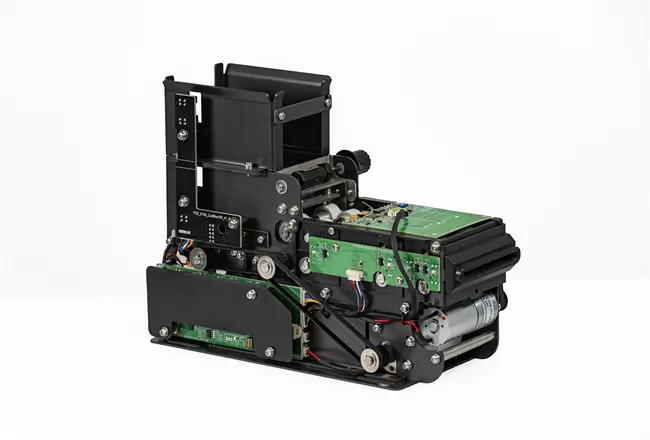
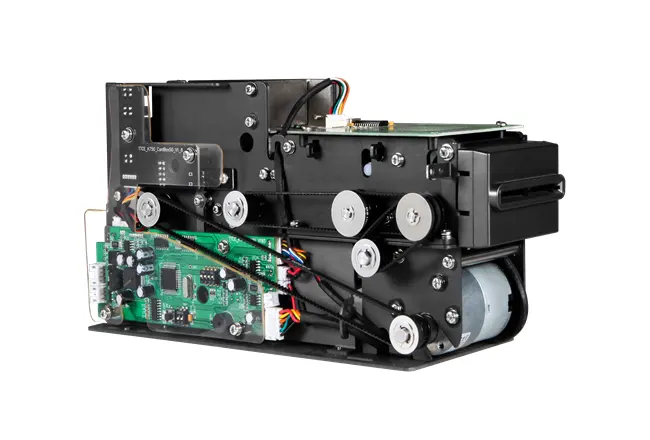
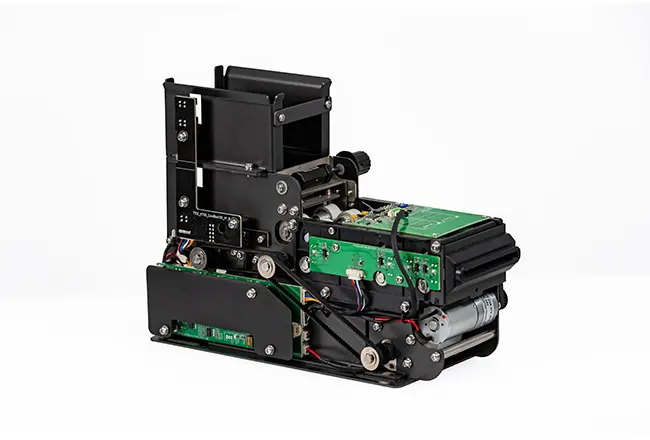
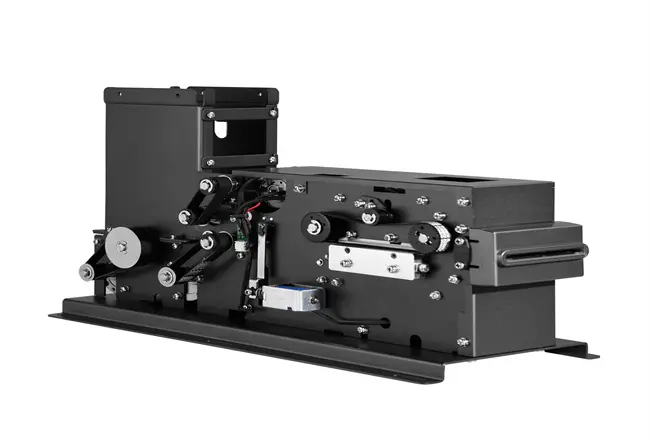
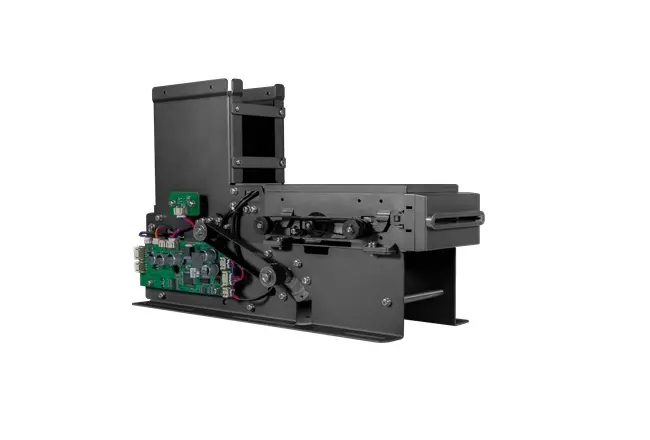
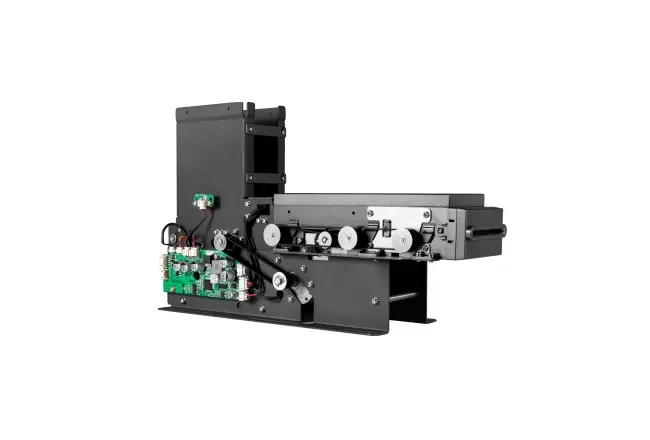
2026-06-16The IC Card Dispenser is essential in self-service kiosks including banking kiosks, ticketing machines, and ID card issuers. What makes it so special in accurately dispensing cards without jams and errors in feeds and card types? Here, we look at the TTCE-K2604J-6 as an example, and explain the IC Card Dispenser's precision engineering. We analyze the mechanical design as well as the sensors, read/write verification, and control systems.
1. Multi-Card Box Management – The Foundation of Accurate Selection
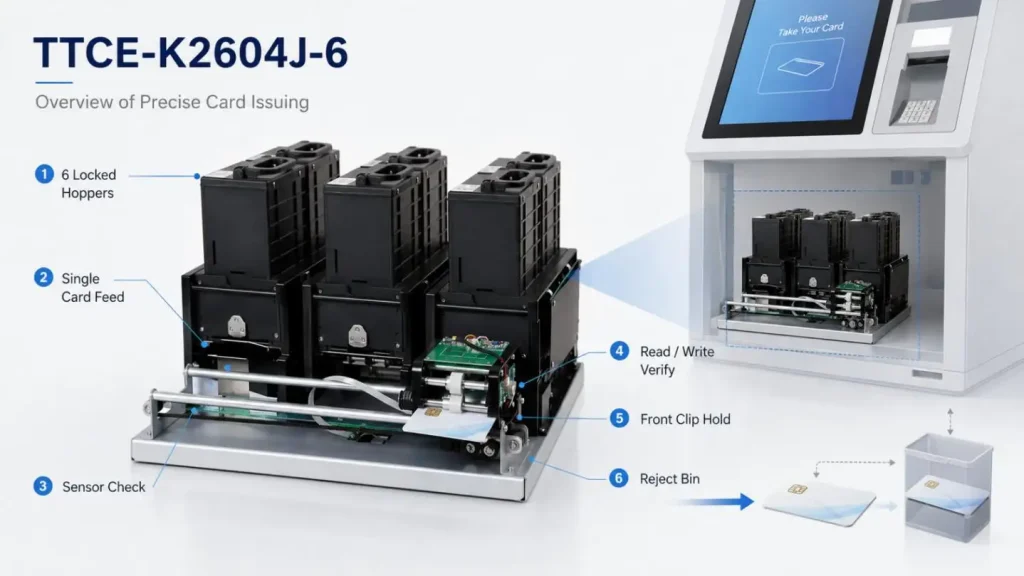
An IC Card Dispenser containing multiple independent card boxes is almost always reliable. The design assists the machine in holding different card types (e.g., magnetic, IC, RFID) and choosing the correct one on demand.
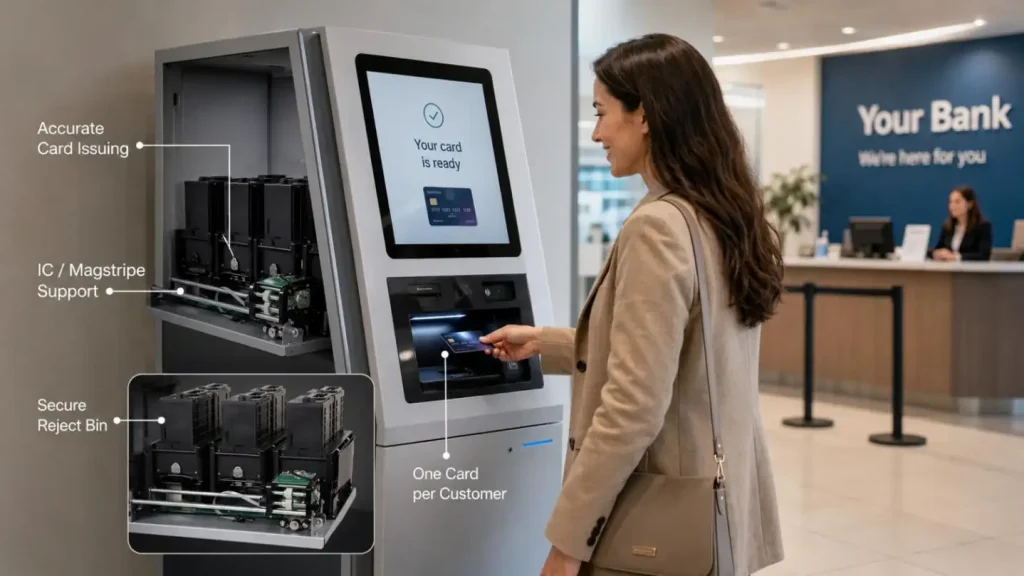
•Six locked card boxes: The TTCE-K2604J-6 design features six fully enclosed, movable card boxes, and each is equipped with a lock.
•Command-based box selection: A command to select a specific box is sent to the host system, and human picking errors are effectively eliminated.
•Optional capacity: Each of the box hoppers can each hold 110 standard cards (150 in an optional design), thus cards can remain segregated and reduce the frequency of machine refills.
•Locked recycling box: A locked box collects rejected or unclaimed cards, preventing contamination of good stock.
By separating card types physically and using software-controlled selection, the IC Card Dispenser guarantees that the right card leaves the right hopper.
2. Friction Feed Mechanism with Thickness Adaptability
Once the correct box is chosen, the dispenser must extract exactly one card. This relies on a precision friction-feed system.
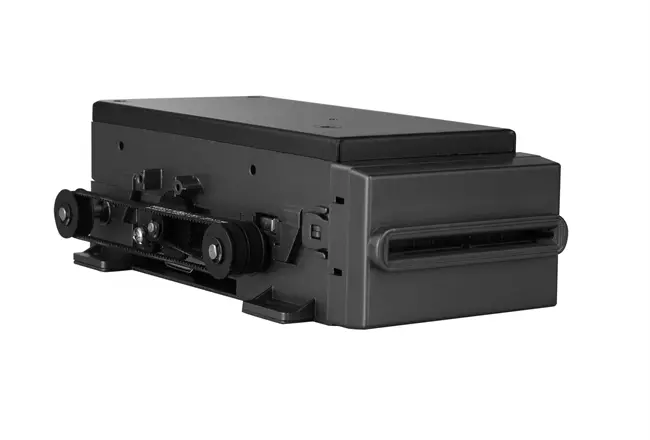
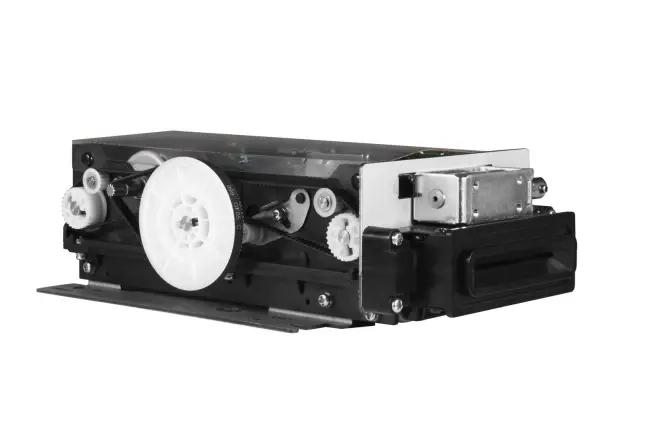
•Rubber friction roller: The roller contacts the bottom card and advances it forward; a counter-rotation brake holds back the next card.
•Adjustable channel space: The TTCE-K2604J-6 lets you adjust the channel gap and accept cards with thicknesses from 1.0 mm to 1.3 mm.
•Card support for flat and embossed: Normal PVC cards and embossed cards (1.2mm) are no problem.
•Front-end clip card function: A clamping mechanism at the exit retains the card until the user pulls it, preventing unintentional drops.
Thickness tolerance, and this friction-based design, combined, guarantee that warped and/or slightly thicker cards will not jam the dispensing mechanism, and that each card is dispensed.
3. Sensors and Alert Lamps – Real-Time Monitoring
An IC Card Dispenser cannot guarantee precision without multiple levels of sensing. These are used to detect the presence, position, and anomalies of the card.
•Card entry alert: A sensor at the hopper exit confirms that a card has been picked successfully.
•Few card alert: A low-card sensor (often optical or mechanical) informs the system that fewer than, for example, 10 cards are remaining in the hopper.
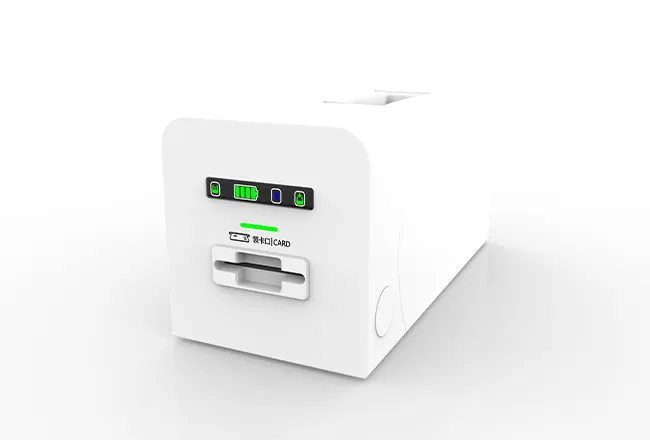
•Power-on alert: The dispenser runs a self-check during startup and signals readiness via LED lamps.
•Card jam detection: If a card does not reach the next sensor within a timeout, the system stops and reports an error.
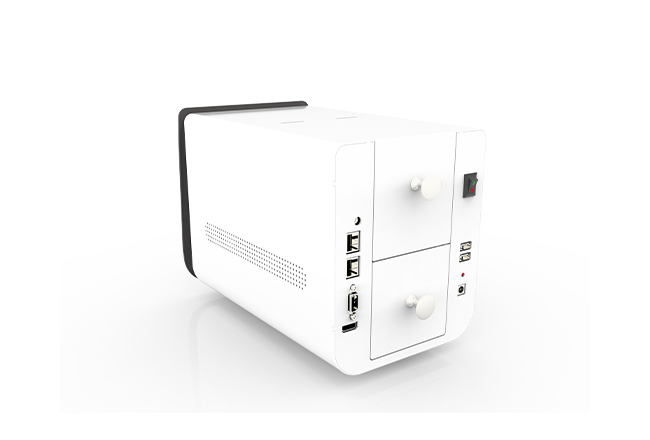
All alerts are visible via indicator lamps on the module and can be sent to the host through the RS232 or USB interface. Real-time feedback allows the terminal to display "low card" or "out of order" messages to users immediately.
4. Read/Write Verification – Ensuring Data Integrity
Dispensing the physical card is only half the job. A true IC Card Dispenser also reads or writes the card's chip/magnetic stripe before issuing it to the user.
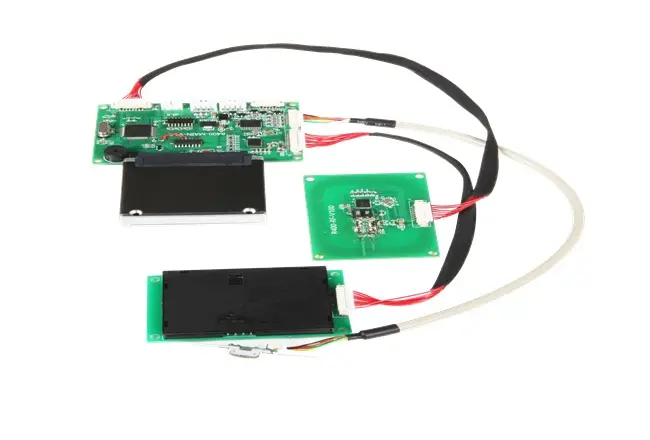
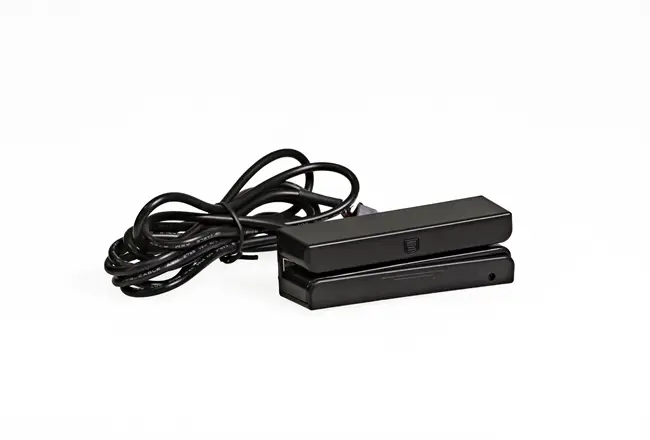
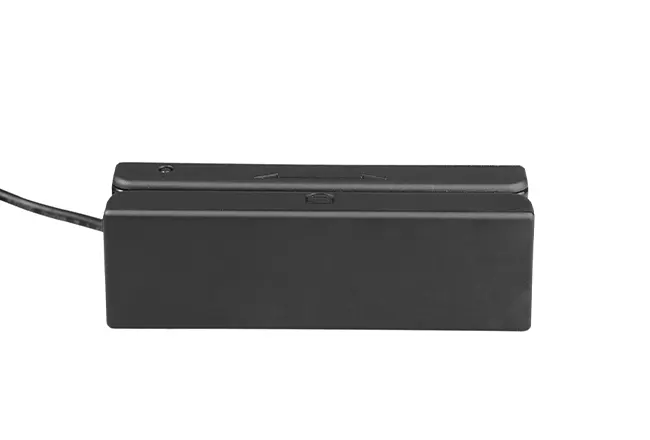
•Multi-technology head: The TTCE-K2604J-6 integrates magnetic stripe (ISO7810-7813), contact IC, and contactless RFID (Mifare S50, S70, UL, Plus, Desfire) in one pass-through station.
•Write-then-verify logic: For issuing new cards (e.g., hotel key cards), the dispenser writes data to the IC/RFID chip and immediately reads it back.
•Reject on failure: If verification fails, the card is diverted to the locked recycling box instead of being handed to the customer.
•Magnetic track support: It accepts ISO7811 tracks 1-6 which means it can work with older swipe systems.
The IC card dispenser reads and writes data in the secure module to ensure dispensing of only encoded cards.
5. Communication & Command Control – The Brain Behind Precision
The dispenser does not work alone; it obeys commands from the terminal's main controller via a serial or USB link.
•RS232 and USB interfaces: The TTCE-K2604J-6 supports both industrial RS232 (long distance, noise immune) and plug-and-play USB.
•Simple command set: Commands include "select hopper 3", "issue one card", "retract to bin", and "read status".
•Front-end clip control: The host can command the clip to hold a card at the exit, then release it only after user confirmation.
•Error recovery: The host can request a retry or a card purge if a write failure occurs, all without human intervention.
Precise command execution, down to millisecond timing, makes the entire issuing process repeatable and error-free.
6. Durability and Environmental Reliability
Precision must last through hundreds of thousands of cycles. The mechanical design of an IC Card Dispenser directly affects long-term accuracy.
•500,000 passes life: The transmission components (rollers, motors, belts) in the TTCE-K2604J-6 are rated for half a million card movements.
•Peak current 3000mA: High torque for overcoming occasional card sticking, while idle current stays below 100mA.
•Operating environment: 0 °C to 45 °C and 30–90% relative humidity, covering most indoor kiosk conditions.
•Weight 8.5kg: Heavier construction reduces vibration and ensures stable card travel.
A dispenser that fails after 50,000 cycles is not truly precise; the TTCE's half-million rating supports years of trouble-free service in high-volume terminals.
7. Real-World Applications of Precision Issuing
Where does such precise IC Card Dispenser technology get used? Several industries depend on it.
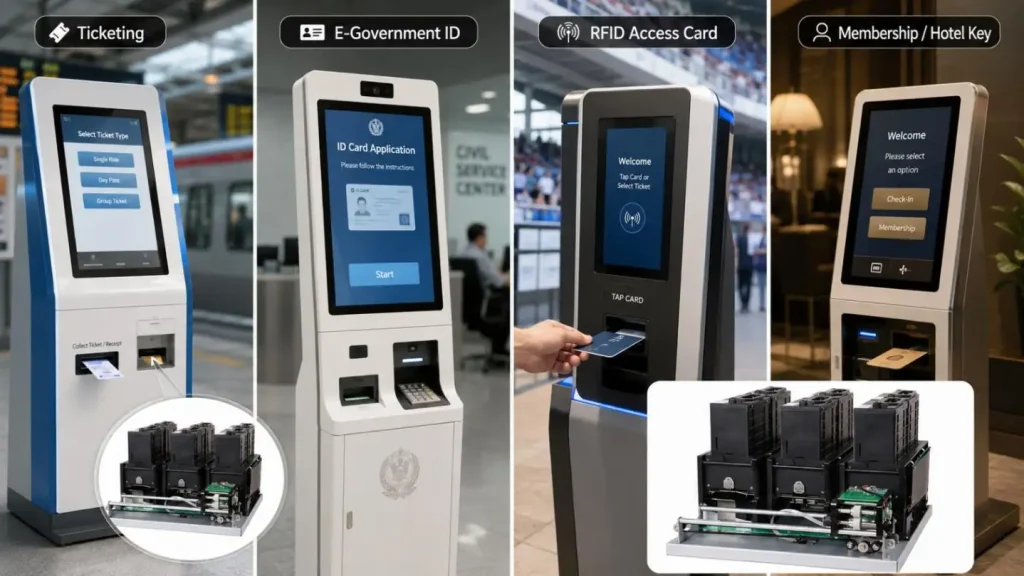
•Banking kiosks: Issuing debit/credit cards with embedded IC chips and magnetic stripes, one per customer.
•Multi-purpose self-service terminals: E-government machines that issue health insurance cards, driver's licenses, or social security cards.
•Ticketing systems: Amusement parks and stadiums using contactless RFID tickets – the dispenser writes entry data on the spot.
•Membership card dispensers: Gyms or retail chains that encode a new member's ID into an RFID card instantly.
In each case, the IC Card Dispenser must be accurate enough to handle different card thicknesses, multiple card technologies, and secure waste management.
Conclusion
Precision in an IC Card Dispenser comes from the synergy of four layers: mechanical separation (multiple locked boxes), reliable pick-and-feed (friction roller + adjustable gap), sensor feedback (alert lamps and jams), and electrical verification (read/write before issue). The TTCE-K2604J-6 exemplifies these principles with its six-box design, 1.0–1.3 mm thickness range, magnetic/IC/RFID support, and 500,000-cycle life. Whether you are integrating a dispenser into a new kiosk or troubleshooting an existing one, understanding these subsystems helps you achieve near-zero error rates in card issuance.
For engineers and procurement specialists looking for a dependable IC Card Dispenser, the TTCE-K2604J-6 offers a proven balance of flexibility, security, and long-term precision. Get a free quote to see how it fits your next self-service project.
Frequently Asked Questions (FAQ)
Q1. What card types does the TTCE-K2604J-6 support?
It supports magnetic stripe (ISO7810-7813), contact IC, and contactless RFID cards including Mifare S50, S70, UL, Plus, and Desfire.
Q2. What is the box capacity?
A standard box is 110 cards. With the hopper upgrade, the box can hold 150 cards.
Q3. Does it have the ability to make embossed credit cards?
Yes. The space in the channel is adjustable and can accommodate a card thickness of 1.0 mm to 1.3 mm, thus allowing the issue of cards that are either flat or embossed.
Q4. How does the dispenser know when a card is stuck?
Built-in sensors monitor card travel; if a card does not reach the next sensor in time, a jam alert is triggered.
Q5. What communication interfaces are available?RS232 (industrial, long distance) and USB (plug-and-play) are both supported.
