

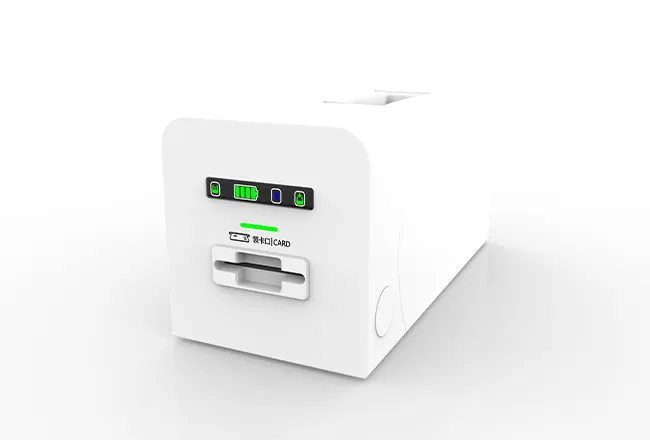
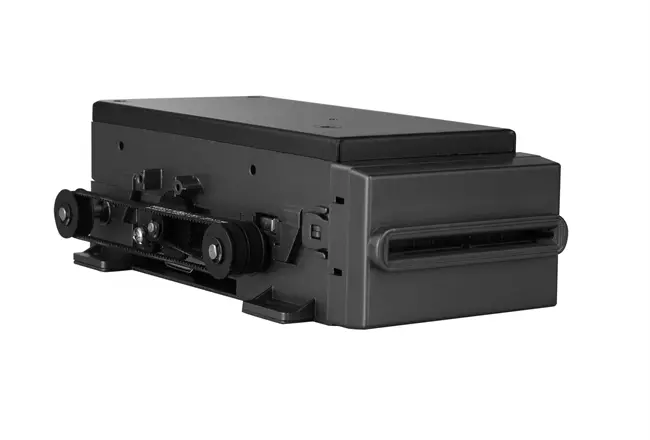
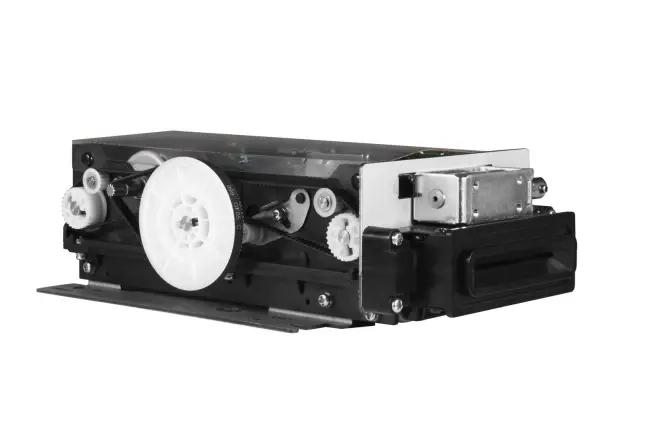
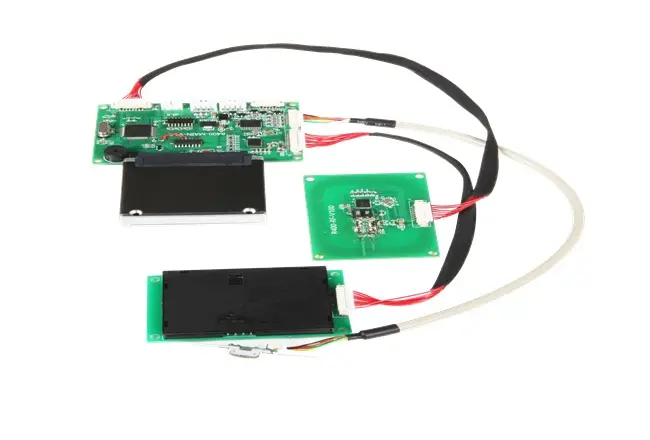
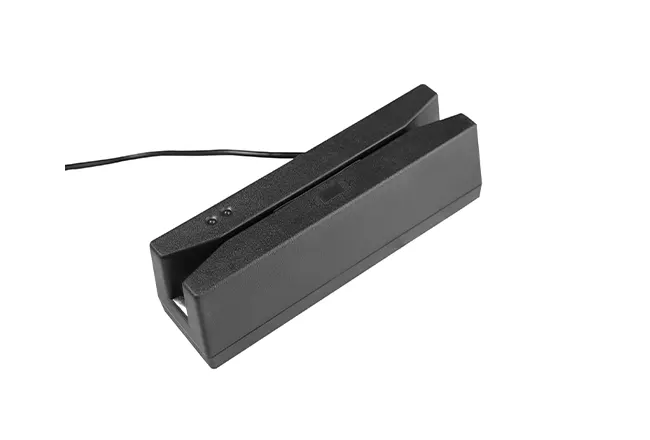
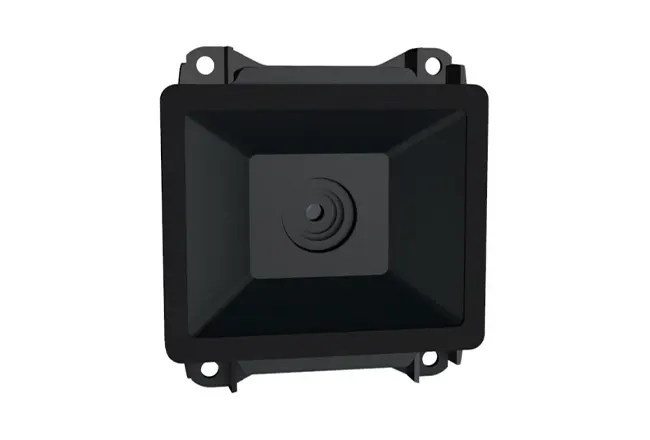
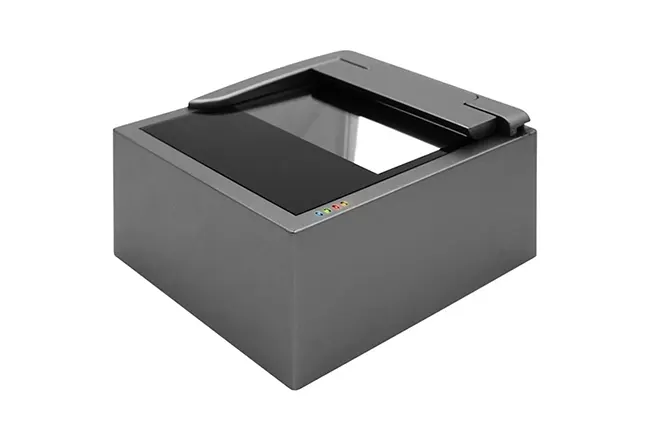
Industrial Design of a Long-Life RFID Card Reader And Writer: 800,000 Cycles Explained
2026-06-17When evaluating an RFID Card Reader And Writer, most buyers focus on read speed, card compatibility, or interface type. One additional important measure is service life, which is typically indicated in operational cycles. For instance, the TTCE-R600 embedded module indicates 800,000 cycles for the life of the magnetic head and 300,000 cycles for the life of the IC contacts. What do these numbers mean for industrial design, and why do they matter for your application?
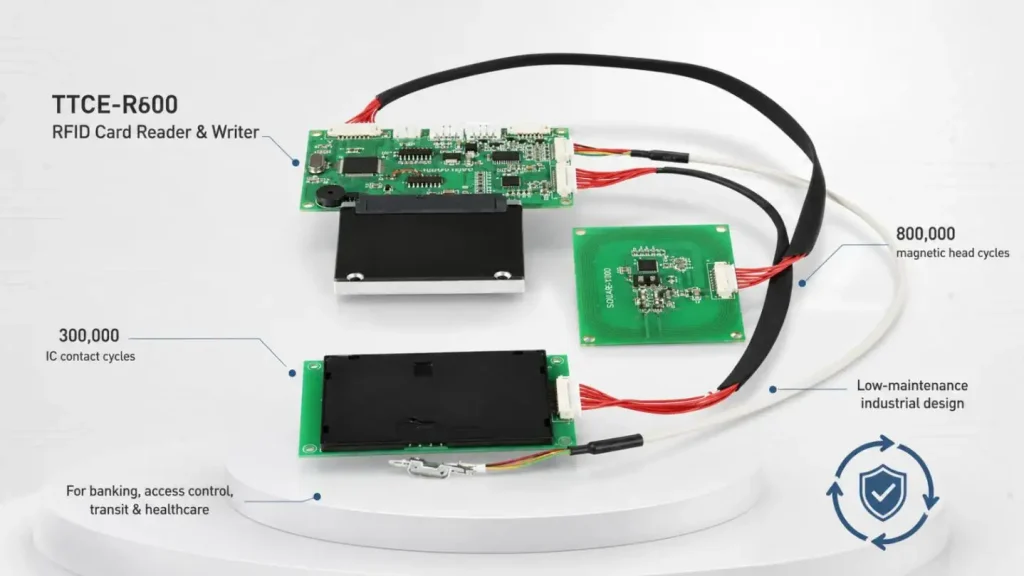
This article explores how robust engineering transforms a standard RFID Card Reader And Writer into a long-lasting, low-maintenance workhorse for banking, access control, transit, and healthcare.
Why "Cycles" Define Real-World Durability
A cycle in an RFID Card Reader And Writer refers to one complete card insertion/removal (for contact IC or magnetic stripe) or one successful contactless transaction. High cycle counts directly translate to:
•Lower total cost of ownership: Fewer replacements and less downtime.
•Consistent Transaction Speed: Reading errors and retries are caused by worn contacts or heads.
•Suitability for Continuous Use: Examples are ATMs, ticket gates, hotel locks, etc.
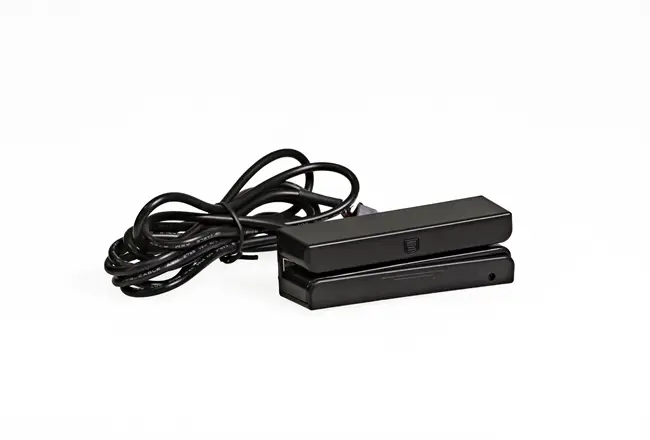
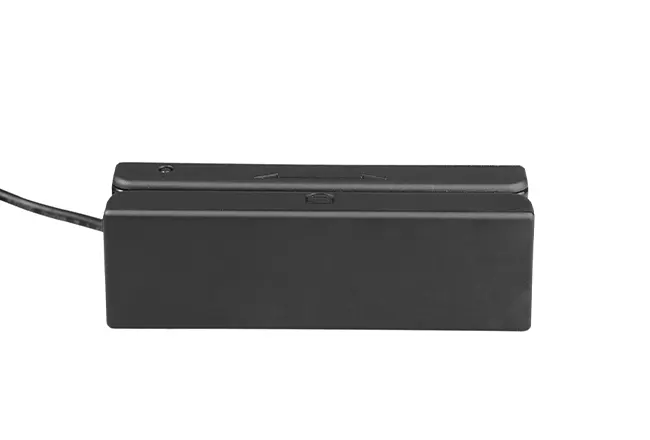
The TTCE-R600's magnetic head endures 800,000 reading cycles. Each of its IC contacts withstand 300,000 insertions, comparable to the lifespan of many premium class payment terminals.
5 Industrial Design Choices Behind a Long-Life RFID Card Reader and Writer
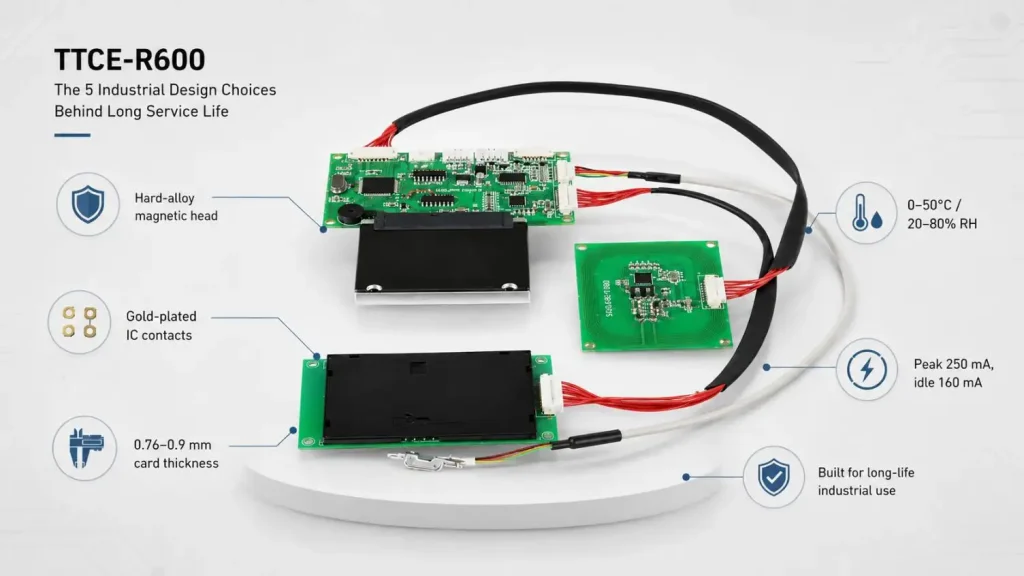
1) Selection of Materials for Magnetic Heads
•Roughened, amorphous, hard metal alloys: Offer low friction while retaining sufficient magnetic signal fidelity.
•Careful polish: Reduces wear on both the magnetic head and magnetic stripe of card stock or PVC.
•As a result: the TTCE-R600 head achieves the ISO7811 standard for signal amplitude after 800,000 swipes.
2) Geometry and Plating of IC Contacts
•Gold-plated pogo pins or spring contacts: Offer both resistance to oxidation and low contact resistance.
•Contact force should be between 0.5N to 1.5N. Or T = 0 or T = 1 constant contact. Contact constraints only allow no card breaking.
3) Tolerance for Card Thickness (0.76 - 0.9 mm)
•Importance: Materials of different cards have different levels of abrasion. Paper cards are thin and rough, while PVC cards are thicker and smooth.
•Self-cleaning, wiping action: the TTCE-R600 card guide removes dirt and debris from the magnetic stripe and results in improved consistency of read performance.
4) Environmental Sealing
•Designed for temperature and humidity: 0°C to 50°C and 20-80% relative humidity (non-condensing).
•No active heating and cooling systems: Makes it easier to integrate into ATMs or outdoor kiosks (with enclosures).
•Result: This card reader/writer is optimized for use in high- and low-traffic areas.
5) Power Management and Peak Current Control
•The design features peak current set at 250 mA (DC 5V) with idle current capped at 160 mA to alleviate the thermal stress for the internal components.
•Soft-start for motorized mechanisms: Avoids sudden torque that could damage gears or card feeders.
Result: Long-term electronic reliability even with thousands of daily transactions.
Beyond Mechanical Life: Multi-Card Support Without Extra Wear
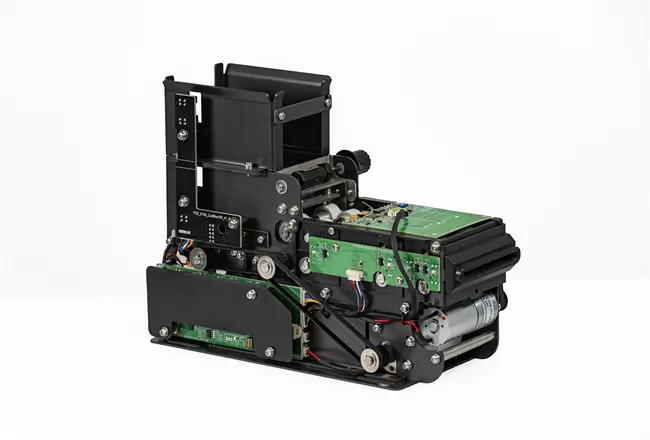
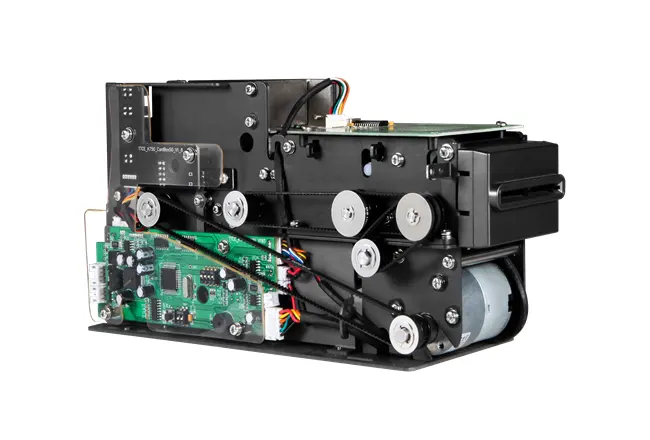
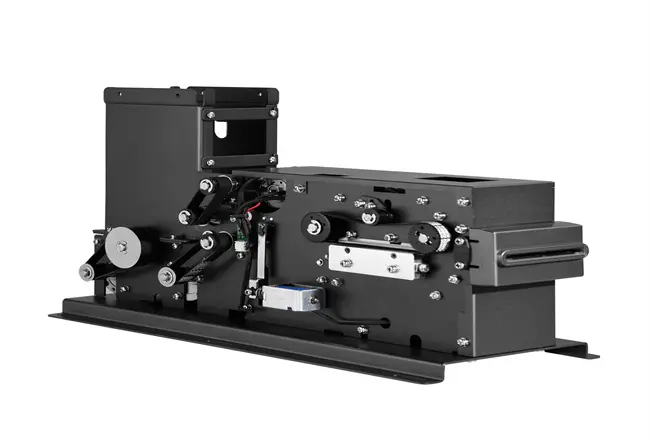
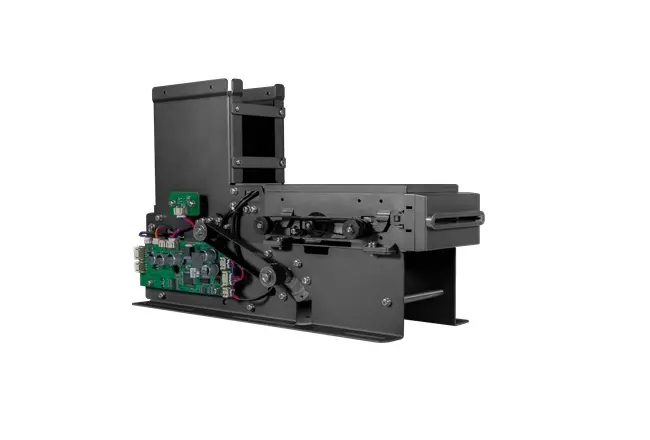
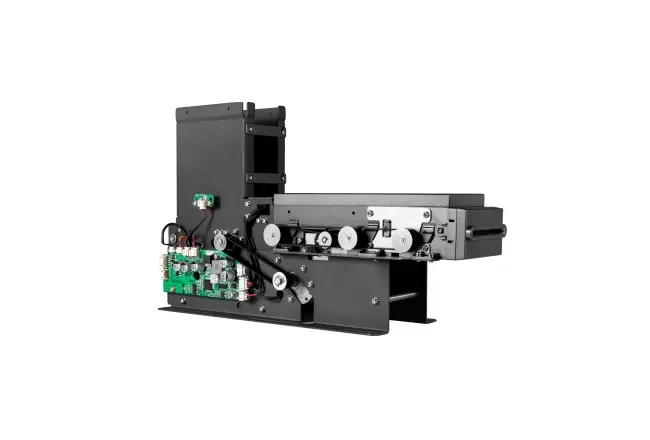
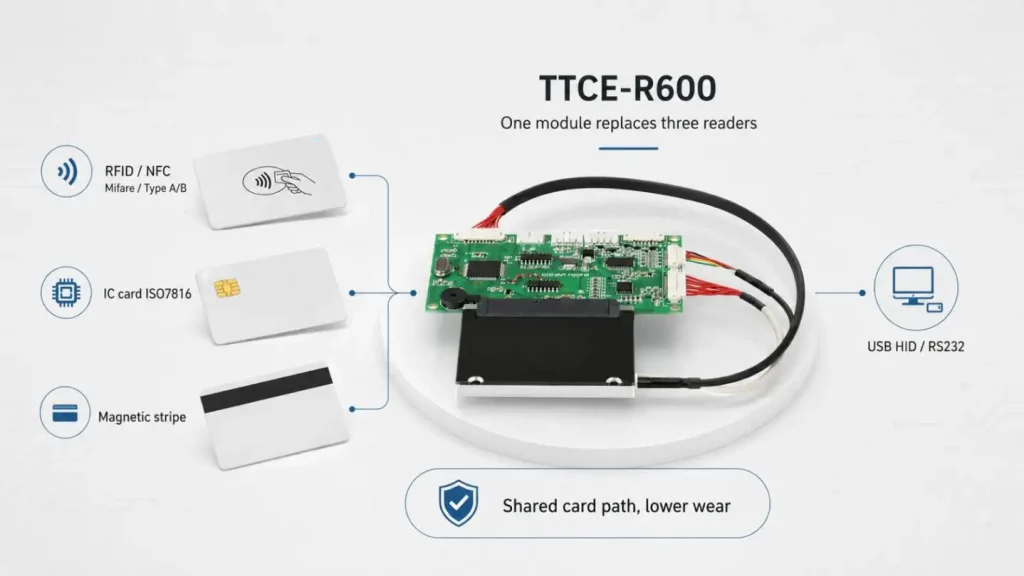
A unique advantage of the TTCE-R600 is its all-in-one design: it functions as an RFID Card Reader And Writer for contactless cards (ISO/IEC 14443 Type A/B, Mifare family), an IC card reader (ISO7816 T=0/T=1, including PSAM), and a magnetic stripe reader (ISO7810/7811 up to 6 tracks).
•No redundant moving parts: The same card path handles all three card types.
•Shared power and interface (USB HID/RS232): Reduces connector wear compared to separate modules.
•Result: A single embedded reader that replaces three separate devices — lowering mechanical complexity and lifetime cost.
How 800,000 Cycles Translate Into Real Applications
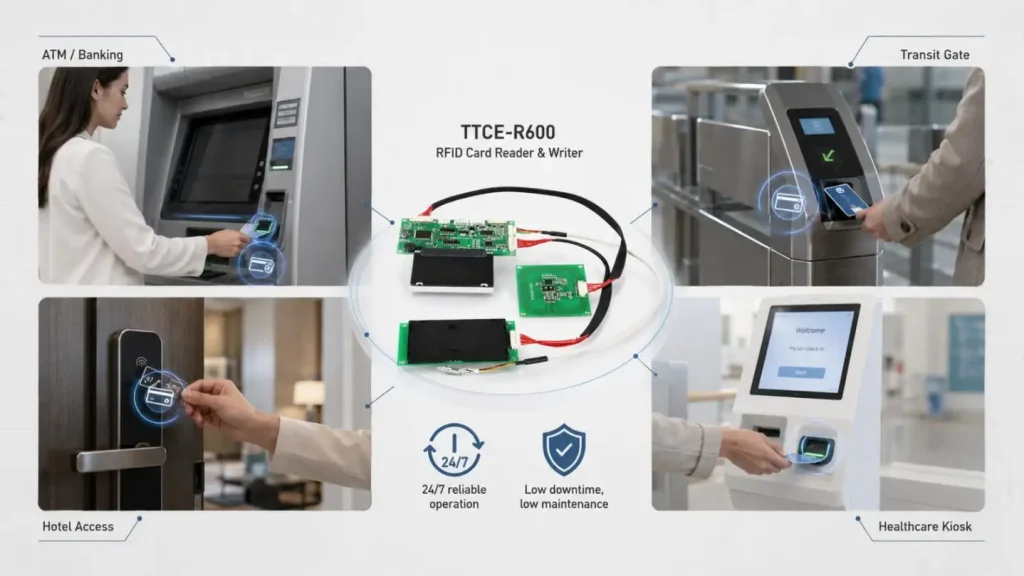
The endurance specifications of an RFID Card Reader And Writer directly impact mission-critical systems:
| Application | Typical Daily Usage | 800,000 Cycles Lifespan |
| ATM / Cash machine | 50–100 card insertions | >10 years |
| Hotel door lock | 20–40 swipes per room | >15 years |
| Public transport gate | 1,000–3,000 taps/swipes | 1–2 years (but magnetic head is still healthy) |
| POS terminal (retail) | 150–200 member card checks | ~5–7 years |
The TTCE-R600's magnetic head life is particularly valuable in hybrid environments where customers still use magnetic stripe loyalty cards while newer RFID cards are being phased in.
Maintenance-Free Operation: Designed for "Set and Forget"
Minimal maintenance is not a luxury — it's a design requirement. The TTCE-R600 achieves this through:
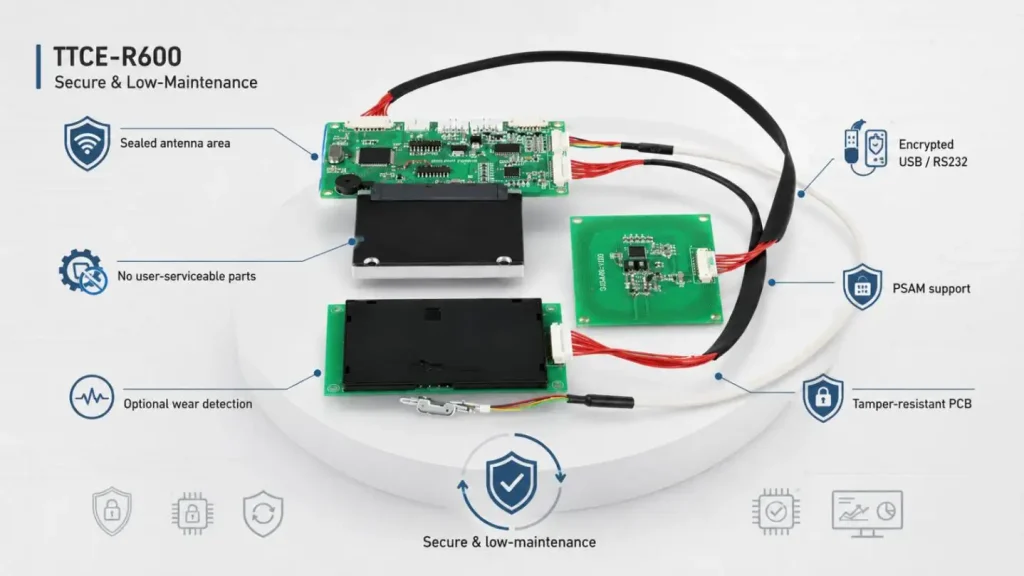
•Sealed contactless antenna area: No dust ingress into the RF circuitry.
•No user-serviceable parts inside: Eliminates improper handling damage.
•Automatic wear detection (optional firmware): Reports declining signal margins before failure occurs.
•Result: System integrators can deploy the reader in remote or high-density locations without regular cleaning or calibration.
Security and Durability Are Not Mutually Exclusive
A long-life RFID Card Reader And Writer must also resist tampering. The TTCE-R600 incorporates:
• Secure data paths: Encrypted communication between the reader and host (via USB HID or RS232).
• PSAM Card Support: Calls for PIN verification and key encryption for lower risk of sensitive data exposure.
• Tamper-resistant PCB layout: No exposed test points that can be probed.
• Ultimately, durability does not compromise security. Both are integrated at the silicon and the mechanical levels.
Conclusion: Consider by Cycles, Not by Features Alone.
When choosing an RFID Card Reader And Writer for commercial or industrial applications, features are not everything. The TTCE-R600 with an 800,000 cycle magnetic head with 300,000 cycle IC contacts is a result of a mature and proven design. Other features like support for IC/RFID/magnetic stripe multi-cards, USB/RS232, and a broad environmental scope are assurance of several years of reliable, secure, and low-maintenance operation.
Are you looking to embed a rugged RFID Card Reader And Writer in your product?
Request a free quote based on your volume and customization needs.
FAQs
Q1: What does 800,000 cycles mean for a magnetic head?
A: The magnetic head is good for 800,000 card swipes at which point it will need to be replaced. This is the equivalent of heavy daily use over 10 years.
Q2 : Can the RFID Card Reader And Writer read both thick and thin cards?
A : The TTCE-R600 can read cards between a thickness of 0.76mm and 0.9mm. Hence, it can read paper and PVC cards.
Q3 : Is the life of an IC contact the same as that of a magnetic head?
A : No. IC contact life is 300,000 insertions while magnetic head life is 800,000 insertions. Both are considered the best in the industry.
Q4 : What will happen when the reader reaches the cycle limit?
A: The reader will start to malfunction and will progressively begin to read cards less and less. The upkeep procedure should be done to assess the reader.
Q5: Can this reader be used in outdoor or extreme temperature scenarios?
A: This will work in temperatures from 0 to 50 degrees Celsius and in 20 to 80 percent humidity. This should be used in sheltered indoor and outdoor situations.
