

The OEM/ODM Guide to Motorized Card Reader Writer: Customizing the Ideal Module for Self-Service Kiosk
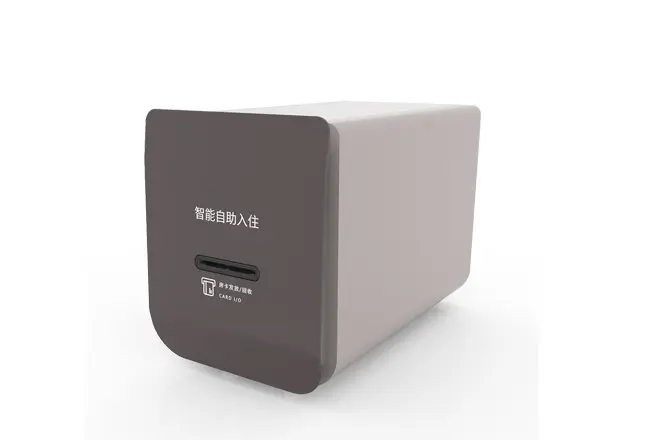
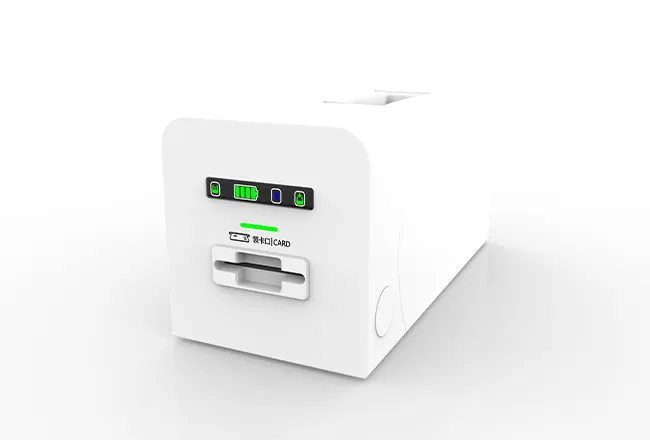
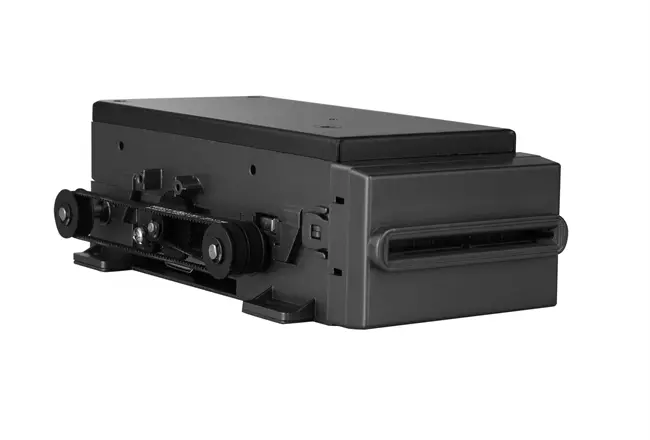
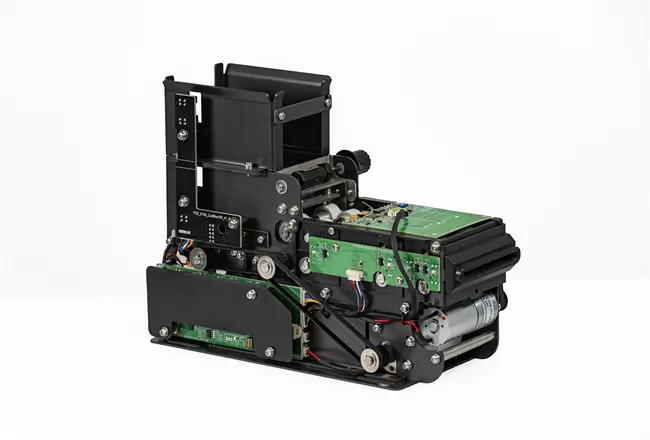
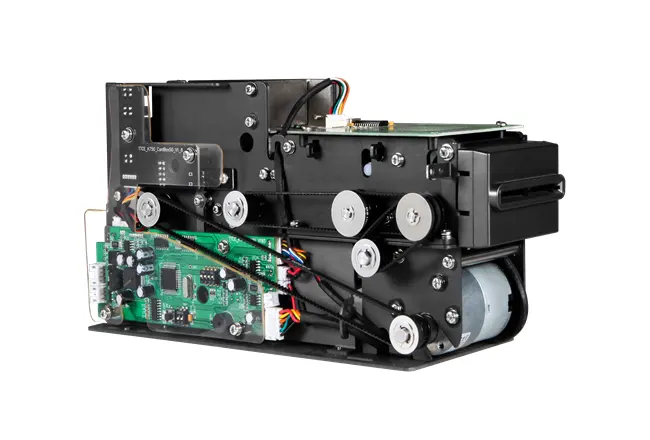
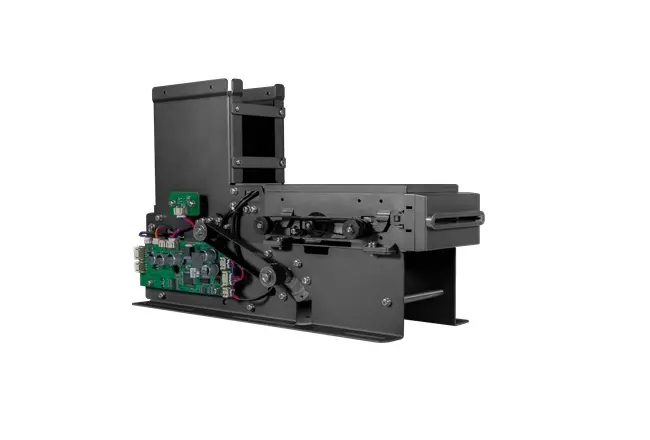
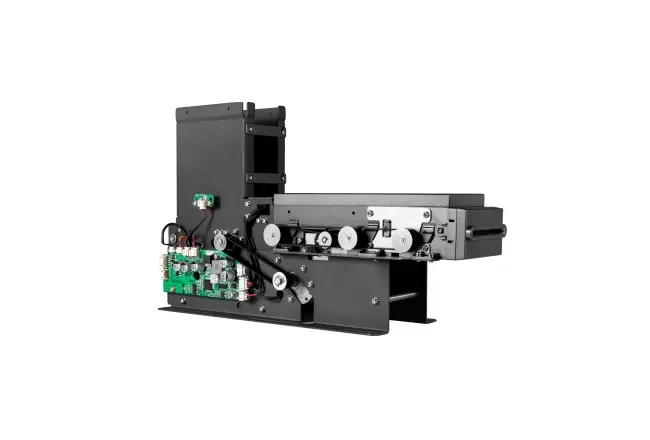
2026-06-15The selection of a Motorized Card Reader Writer for a self-service terminal is not a one-size-fits-all scenario. Whether you are building an ATM, a ticketing kiosk, or an access control gate, the card reader must align perfectly with your application's physical, electrical, and environmental demands. The Motorized Card Reader TTCE-M100 offers a modular architecture that makes customization straightforward. This guide explains how to approach OEM (Original Equipment Manufacturer) and ODM (Original Design Manufacturer) projects step by step, using the TTCE-M100 as a reference model.
Why Customization Matters for Motorized Card Readers
Off-the-shelf readers often fail in specialized environments. A kiosk on a dusty subway platform faces different risks than an indoor banking terminal. Customization guarantees:
•Physical fit: The size and shape of the kiosks, the card throat design and the locators match your kiosk chassis.
•Electrical fit: The voltage, current spikes and signals (e.g. RS232) are within the specifications for your main controller.
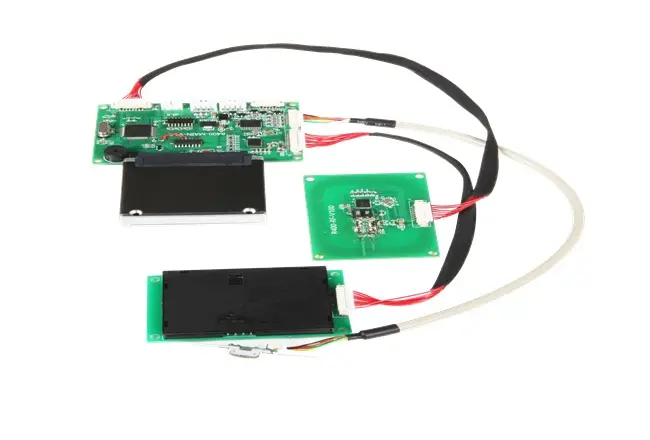
•Functional fit: Reduces costs by including only necessary card types (IC, RFID, Magnetic).
The TTCE-M100 is designed from the ground up for such flexibility.
Step 1: Define Your Card Mix and Transaction Flow
Before contacting a supplier, answer three questions:
- Which card technologies must the reader support?
•IC card (ISO7816 T=0/T=1 CPU or PSAM) for banking or government ID.
•Contactless card (ISO14443 Type A/B, Mifare family) for transit or loyalty.
•Magnetic stripe (ISO7811) for legacy membership cards.
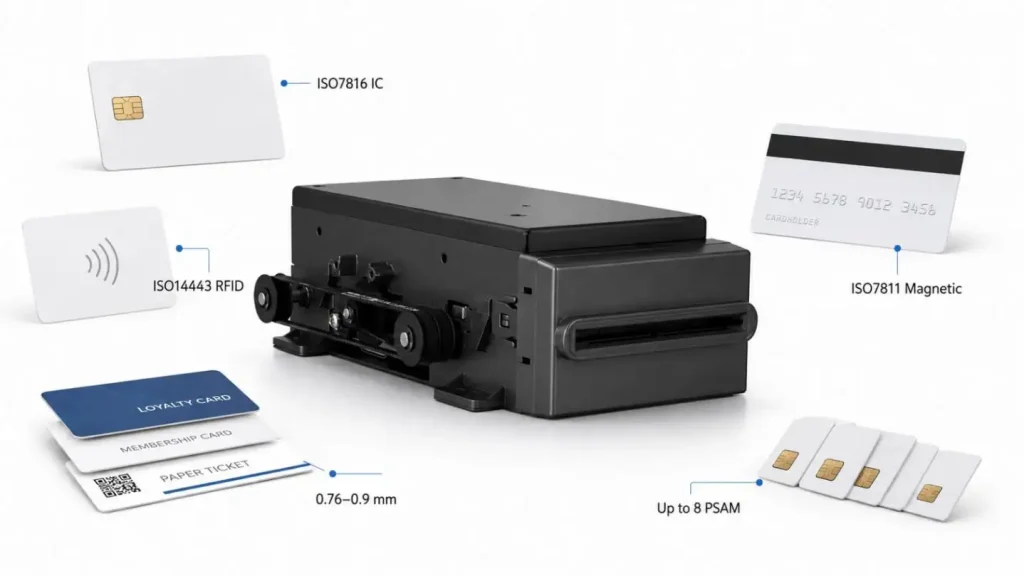
2.What is the expected card thickness and stock?
•Paper card (temporary tickets) vs. PVC card (permanent ID).
•Thickness range: 0.76mm to 0.9mm – the TTCE-M100 handles both without jamming.
3.Is secure offline transaction required?
•PSAM slots (the TTCE-M100 supports up to 8 SIM-sized PSAMs) enable hardware-level key storage for value deduction.
•Practical example: A parking toll kiosk may only need RFID read and PSAM, while a bank ATM requires full IC read/write plus magnetic stripe fallback.
Step 2: Match Mechanical Design to Environmental Stress
The physical environment dictates the most critical customization choices. The TTCE-M100 provides two standout features for harsh conditions.
1. Dust and Foreign Object Protection
•Mechanical Shutter: Prevents airborne dust and foreign materials that may include contaminants like paper clips or coins from entering the card path.
•Motor Shutter: Activated only when inserting cards; preserves the life of the motor during the idle time.
•Advantage: The design is flexible enough to allow placement of the card reader in outdoor kiosks and in construction site terminals and hotel check-in lobbies.
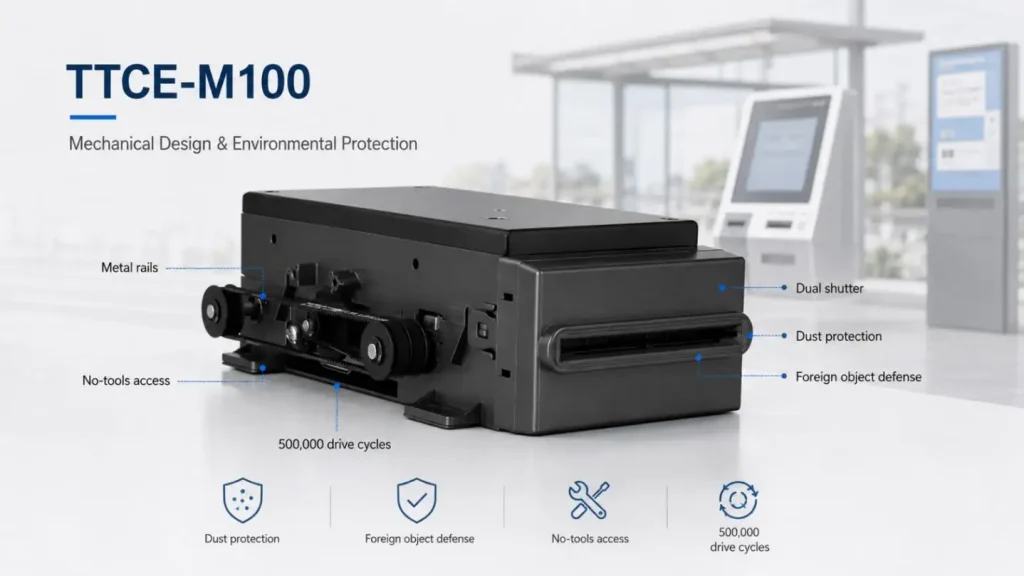
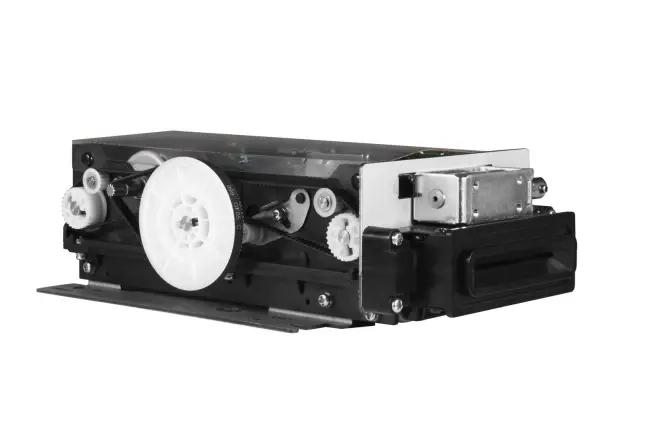
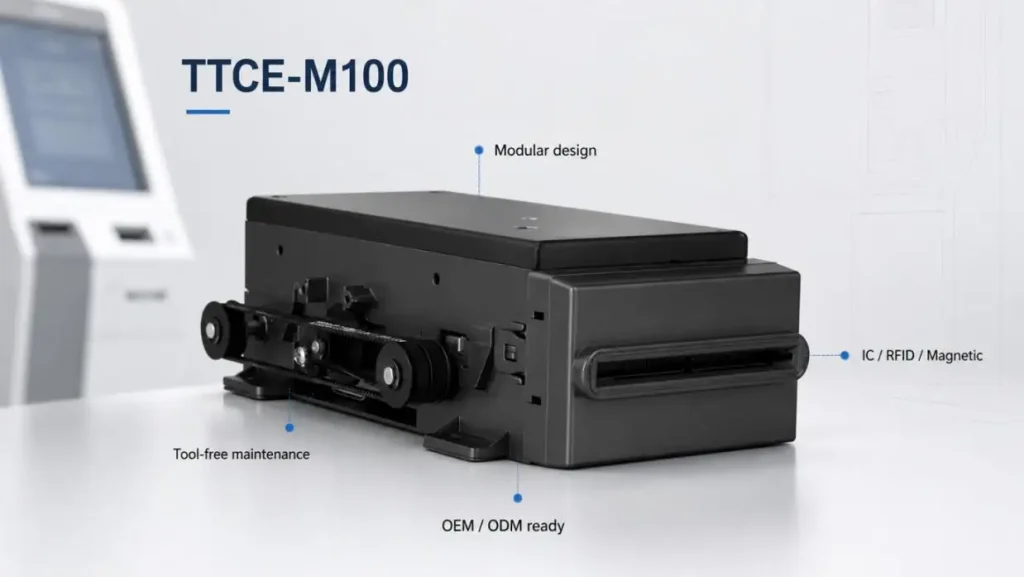
2. Modular Design for Easy Maintenance
•No Tools Required: The card channel can be accessed with no tools for easy maintenance.
•Embedded Rails: The card movement channel is metal reinforced and abrasion resistant against paper tickets.
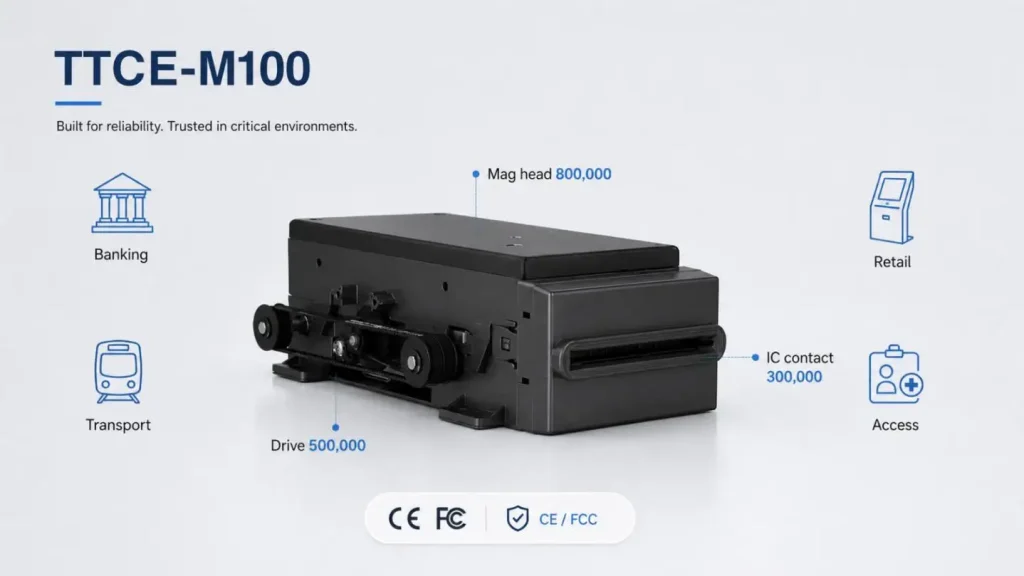
•Cost Savings on Maintenance: Modular design and drive parts with a 500,000 cycle rating means only the worn drive section is replaced.
Step 3: Electrical and Communication Customization
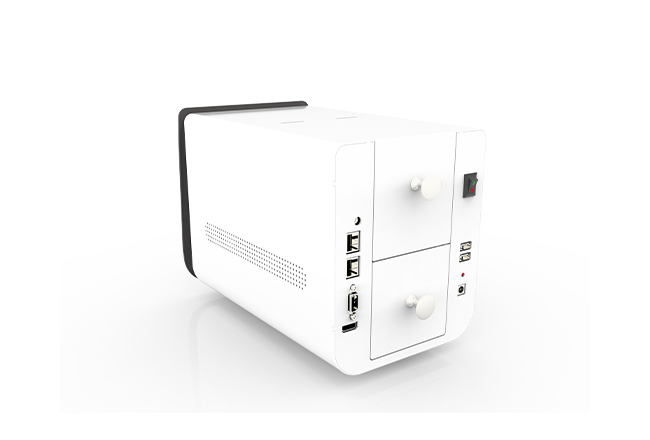
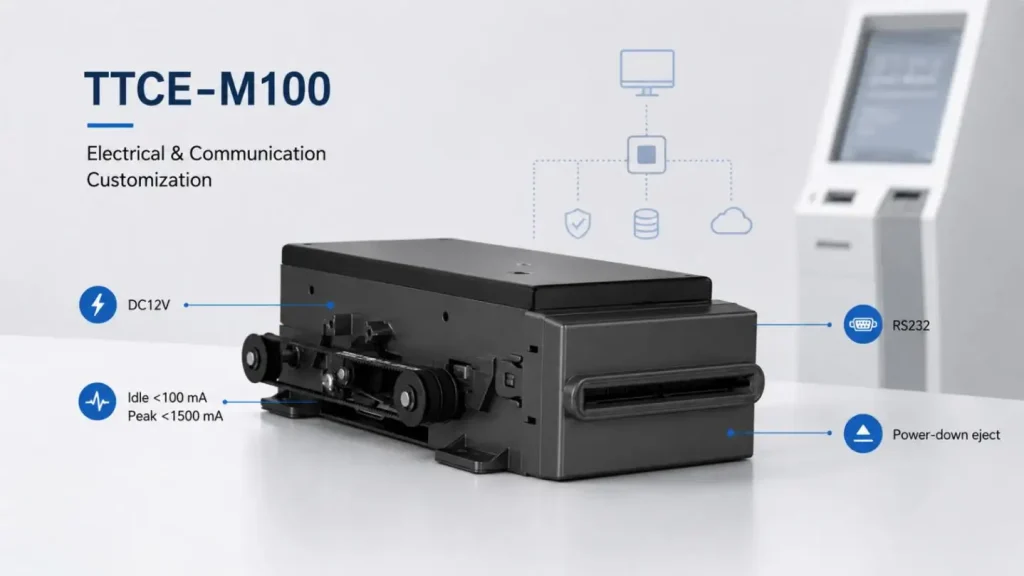
A Motorized Card Reader Writer has to reliably communicate with your host system. The TTCE-M100 uses RS232 by default, but its modular controller can adapt to other industrial protocols.
•Power supply: DC12V with idle current <100mA and peak <1500mA – plan your power budget accordingly.
•Power-down eject card: This is a safety-critical feature. The kiosk ejects the card if it loses power. No customization can negate this behavior.
•Protocol RS232: Its popularity can be partially attributed to its noise immunity over long cables (up to 15 meters). Because of this, it is often used in factory/transport situations.
Step 4: Use OEM/ODM to Address Specific Requirements
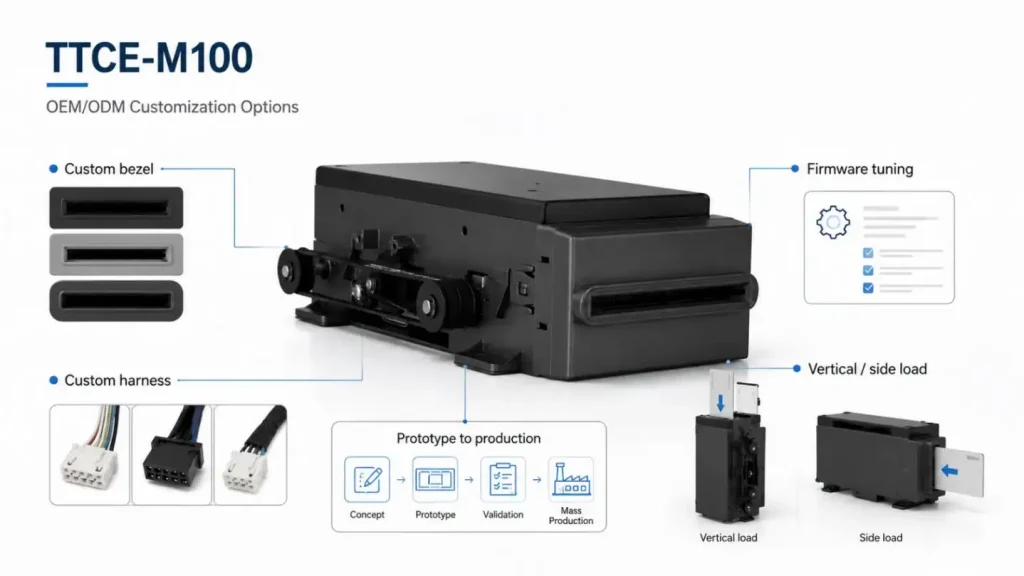
The TTCE OEM/ODM solution allows you to go well beyond the ‘normal' requirements when you have a good R&D team behind you. In TTCE's case, they have been doing global exports for 24 years.
Some of the common requirements are:
•Bezel: Used to change the shape, size, color, or branding of the card input.
•Firmware: Change the card input timing, number of retries, and control the LEDs.
•Connectors: Change the default RS232 with a custom wired harness.
•Temperature hardening: Request a special hardening of the kiosk if the TTCE-M100, which operates in the -5 to 50 degree Celsius range, is used in a freezer, or a desert kiosk.
The one-stop solution:
•From prototype to production: The designer does the molds, the PCB is assembled and tested.
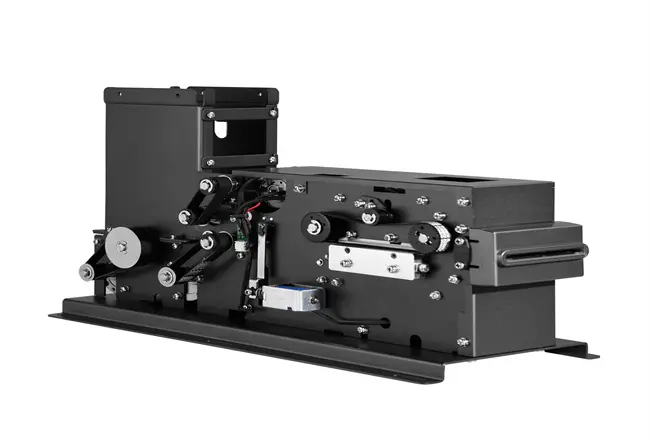
•ODM for a new form factor: Use a TTCE-M100 modular chassis to design a kiosk with a side loading or vertical card path.
Step 5: Ensure Data on Lifetime and Certifications
Reliability must remain. Always ask for tests on this configuration.
| Component | Rated Cycles | What it means for your kiosk |
| Drive parts | 500,000 | Sufficient for 5+ years in high-throughput ATMs |
| Magnetic head | 800,000 | Ideal for retail loyalty swipes |
| IC card contact | 300,000 | Matches hybrid IC+magnetic usage patterns |
• Certifications: Ensure the customized reader still meets CE, FCC, or local standards. TTCE provides certified base modules, but any change (e.g., longer cables) may require re-testing.
Real-World Applications That Demand Customization
Different industries prioritize different features of the TTCE-M100.
•Banking and Financial Services: Many systems for self-service banking and card authentication (power-down eject and PSAM slots) are used everywhere.
•Public Transport: Various ticket validation systems with dust-proof dual shutters and the ISO15457 paper card systems are required.
•Retail and kiosks: Various loyalty systems (quality magnetic heads and contactless read speeds) are required.
•Government and healthcare: Various secure access systems (high cycle life contact pins and IC cards with T=1 protocol) are required.
Conclusion: Start with a Reference Design, Then Customize
The Motorized Card Reader Writer is the heart of any unattended payment or access terminal. By starting with a proven, modular platform like the Motorized Card Reader TTCE-M100, you reduce engineering risk. Its dual-shutter dust protection, multi-card support (IC/RFID/magnetic), power-down eject, and tool-free maintenance give you a solid baseline. Then, through OEM/ODM collaboration, you tailor the bezel, firmware, connectors, and even the card path to your exact kiosk environment.
For a free quote and to discuss your custom requirements, contact the TTCE engineering team with your kiosk's mechanical drawings and transaction flow diagram.
FAQs
Q1: What types of cards does the Motorized Card Reader TTCE-M100 support?
A: It supports IC (ISO7816 T=0/T=1), contactless (ISO14443 Type A/B, Mifare family), and magnetic stripe (ISO7811) cards.
Q2: Does an external power source help TTCE-M100 eject a card?
A: No additional power source is needed as it can leverage its built-in reserve capacitance to negate card trapping if the power is low.
Q3: Is it likely the card reader will be exposed to dust in an outdoor kiosk application?
A: Yes, it will be exposed to dust. It can be used in transport or parking terminals and has a protective dual shutter and motor dust protection design.
Q4: How many PSAM slots does the TTCE-M100 have?
A: The reader can be customized and has as many as up to 8 PSAM slots to add hardware-based key storage with protection for offline transactions.
Q5: What is the communication protocol designed in the TTCE-M100?A: It is designed to use RS232 by default, but since it has a modular design, the OEM can customize it to incorporate any other industrial protocols.
