

Payment Kiosk Accessories: How A Barcode Scanning Module Speeds Up Transaction
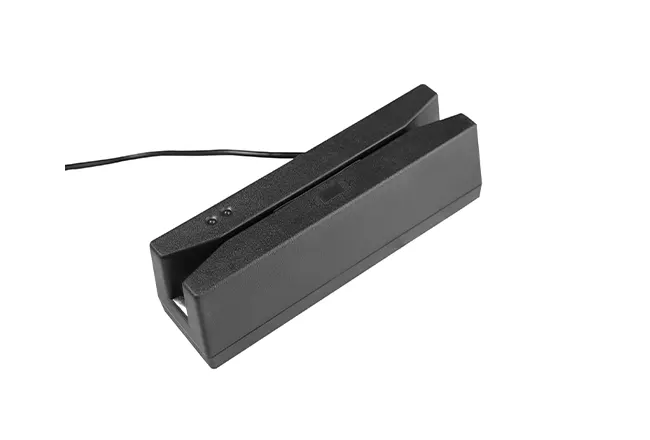
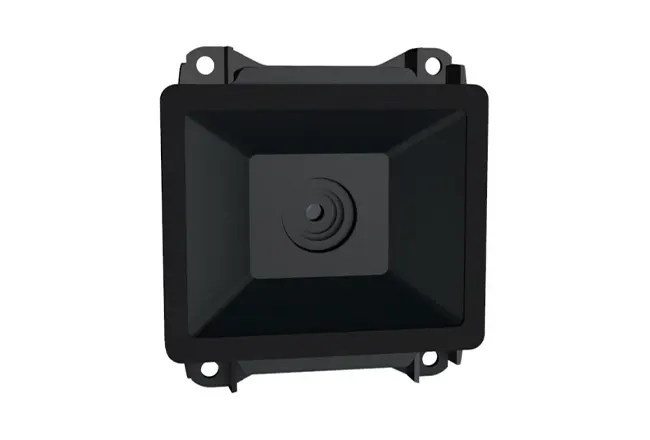
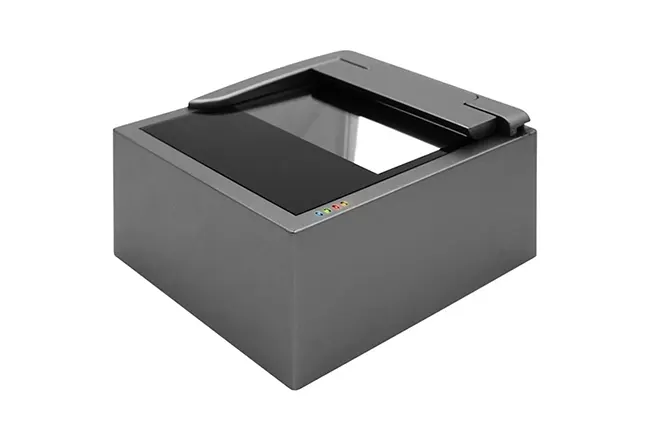
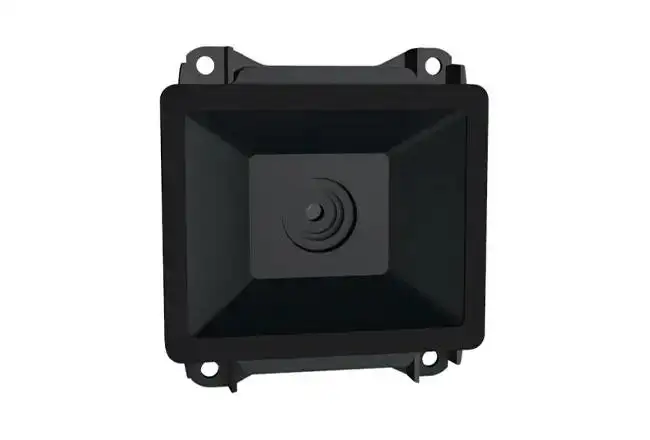
2026-05-27As a result of self-service automation and the demands of the retail industry, the Payment Kiosk and its accessories help to deliver a deeper customer satisfaction and greater operational throughput. High-performance self-service systems incorporate a barcode scanning module. This relatively small system component drastically alters the speed of transactional flow. By processing 1D and 2D codes (barcodes and QR codes) at a rapid pace, modern scanning modules help to achieve a wait-free purchasing system.
Consumer Demand for Speed
Most of the time, a seamless purchasing process is expected by the consumer. Self-service purchasing is preferred by 49% of the purchasing population due to speed and convenience. Consumers report poor service provided by a kiosk that is slow. Customers don't complain about service when the first attempt of a transaction is successful.
�� Costco Holds The Overall Best Practice
Costco pioneered a pay station that completes a traditional transactional system in eight seconds. This achievement proves the true value of a superior transactional service system. For payment kiosk operators, this metric is a direct line to customer satisfaction and to retention.
�� Performance Efficiency
High speed kiosk scanning technology was designed and implemented by a large, highly competitive grocery chain. The average wait time for a single kiosk was reduced from 2.3 seconds to 0.7 seconds. Peak operating time throughput for a single kiosk more than doubled. The significant improvement in operational metrics is directly related to the incorporation of an advanced barcode scanning module.
Barcode Scanner: Design & Purpose
Effectively designed modules of this nature will reduce the level of frustration experienced by customers during a transactional payment process.
- Lightning-Fast Decoding
High resolution imaging and clever algorithms allow modern scanners to decode barcodes milliseconds after capturing them, so your transaction is never delayed.
2) Generous Motion Tolerance (≤40cm/s)
Customers can swipe items continuously. The scanner ensures a smooth and uninterrupted checkout.
3) Wide Field of View (93° Horizontal, 55° Vertical)
Users do not need to be accurate or precise. The scanner will read barcodes at the top corner of large packages or at the bottom edge of a phone screen.
4) All-Angle Tolerance (Roll 360°, Pitch ±65°, Yaw ±60°)
Items come every which way, and this scanning module is able to read codes with any orientation, so there are no more turnaround problems.
5) Multi-Barcode Support
Reading EAN-13, QR codes, and PDF417 are supported. This flexibility makes system design easier, and the amount of scanning devices required is reduced.
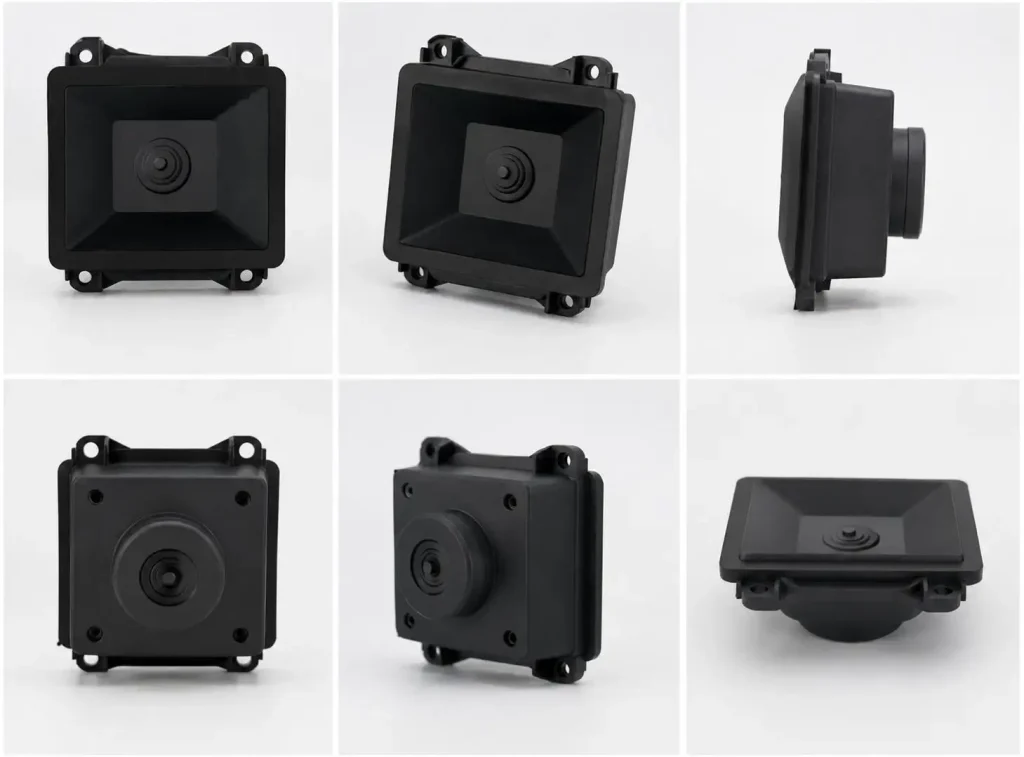
Screen Code Reading: A Must-Have for 2026
1) The Shift to Digital Wallets
Over the last couple of years, mobile payments have become within the norm. More and more people are presenting QR codes and loyalty barcodes directly from their phone. This scanning module reads barcodes via screens and is able to combat glare and reflective surfaces to a produce a high success rate every time.
2) CES 2026 Confirms the TrendThe world's most prominent exhibition of consumer electronics showed that demand is increasing for QR scanning and 1D/2D scanning capabilities for retail applications. As a result, retailers are looking for scanners that can read printed barcodes and digital barcodes shown on a smartphone.
Deeper Integration With Kiosk Payment Accessories
A scanning module for a kiosk should fit seamlessly into the kiosk ecosystem.
1)Unparalleled Flexibility in Connectivity
This module uses USB, RS232, and UART protocols and connects to almost every kiosk and POS terminal. The installation time is in a matter of minutes because of the plug-and-play characteristic.
2)Total Safeguarding of Data Transmission
The two-way communication component ensures integrity of a transaction. A steady flow of data eliminates latency and errors.
3) Compact Module for Situational Flexibility
The solution has a design that is compact enough to fit payment kiosks, ticketing machines, and gate readers and will work without the need for a redesign of the entire kiosk.
2026 Trends
With the advancement of technology, payment kiosk accessories need to keep pace with the advancement of technology.
1) Growth of the Market Accelerates Upgrades
The global market for self-service kiosks is expanding at a 10.2% CAGR, from 28.27 billion in 2025 to 31.14 billion in 2026. The retail industry is witnessing an incredible surge in demand for self-service scanning systems, estimating a growth of about 13.4% and an estimated value of $6.88 billion by 2026. This creates a lucrative opportunity in a rapidly expanding sector that requires sophisticated and dependable scanning subsystems.
2) Merging Multiple Capabilities
Advanced technology makes it possible for payment, information, and ticketing kiosks, with scanning capabilities, to operate in a touchless manner. Scanning capabilities that are versatile, multi-functional, and high-performance, enhance the value of such kiosks.
3) Acceptance of Contactless Payment
Contactless payment methods and mobile wallets are now the norm, so high-speed scanning is a requirement, not a preference.
Retailers Demand New Standards from Their Kiosks
The trend among large enterprises is designing automated systems that streamline workflows to shorten the duration of each transaction. This is only possible with advanced barcode scanning.
�� Boosting Customer Loyalty Through a Better Experience
The best way to secure repeat purchases is to boost the customer experience by making each transaction as quick as possible.
�� Quicker Scanning, Less Abandonment
Kiosks with quick and reliable scans reduce lines and make customers more satisfied with the service received. Less lengthy lines minimize the number of transactions abandoned.
�� First Scan Confidence
When an automatic ticketing system is able to scan a barcode on the first attempt, a customer is confident in that system and is willing to use it again. A high first-pass read rate means less frustration and a desire to utilize automated checkout more often.
Speed is Attractive to Younger Consumers: Younger shoppers view self-service checkout as less time consuming, and, as such, a kiosk's speed is a key factor in retaining and building customer loyalty.
Sought-After Kiosk Payment Accessories Yield Positive Results
Upgrading to an advanced scanning module for kiosks offers one of the best enhancements of kiosk performance. A high-speed, multi-code engine, with the ability to optimize screen codes and offer greater field of view coverage, means every transaction is a quick, and stress-free experience.
For kiosk integrators and operators, the logic is simple: faster scans mean shorter lines and a higher level of customer satisfaction, which translates to increased profits. The optimal Payment Kiosk Accessories ensures your self-service system will be relevant in 2026 and beyond.
*If you would like to learn more about the specifications of high-accuracy barcode scanning modules for payment kiosks, please reach out to TTCE's customer service or head to our TTCE-BS-Q2 1D/2D Scanner product page. *
FAQs
Q: What range of barcodes can this scanning module interpret?
A: Quite a few payment kiosk applications would be able to utilize this module's ability to detect various 1D and 2D codes, like EAN-13, UPC, Code 128, QR codes, PDF417 and Data Matrix.
Q: So it can scan a barcode from a smartphone?
A: Indeed! With its superior screen scanning algorithms, coupled with a high success rate in decoding previously unsolved barcodes, this module is easily one of the best available.
Q: What type of interfaces will connect this module to my kiosk?
A: The module can directly connect to most kiosk controllers and POS systems because of its compatibility to these systems using its USB and RS232 connections.
Q: How seamless is it to add this module to my kiosk?
A: The adjustments required to add this module to your system will be minor because of its small, flexible design. TTCE also offers assistance for bespoke integrations.
Q: What impact does a faster scanning module have on my company?
A: This module improves your systems efficiency and reduces customer queuing time. This faster processing system increases your customers satisfaction and your sales revenue, and additionally increases the frequency at which customers visit.
Q: Is there an option for custom production to match a kiosk's special design?A: Yes, for special designs, there is a great R&D team that is based overseas. This team can produce custom work specific to your needs including physical mounts, decode configurations, and the output formats and ranges.
