

Key Card Dispenser: Disposable vs. Recyclable Key Cards– Cost & Eco Balance
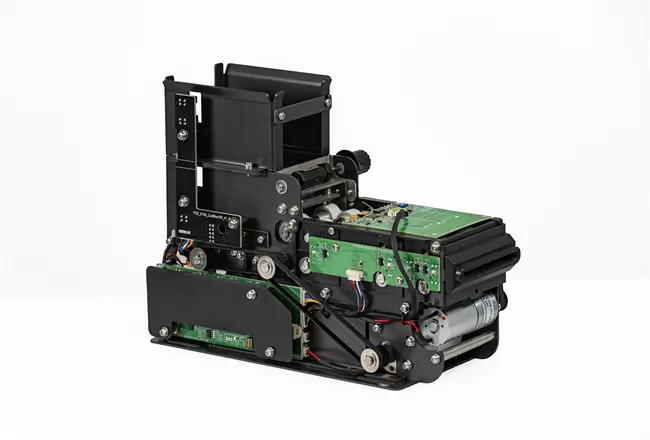
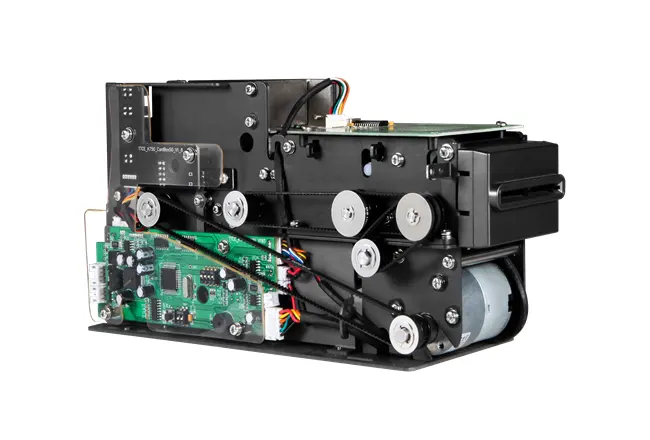
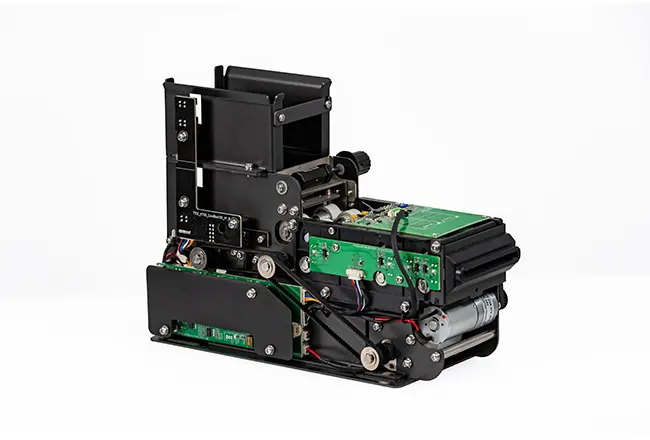
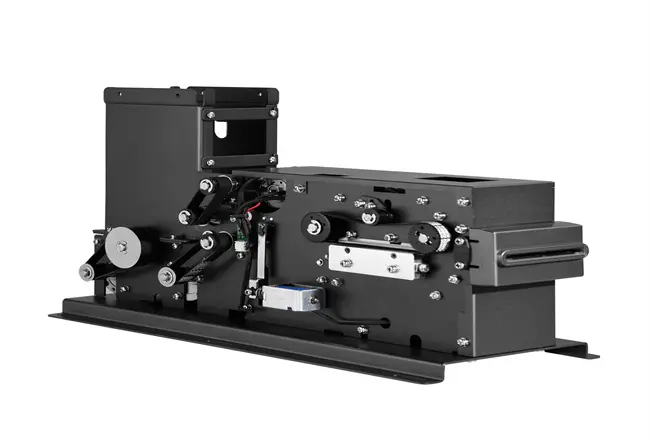
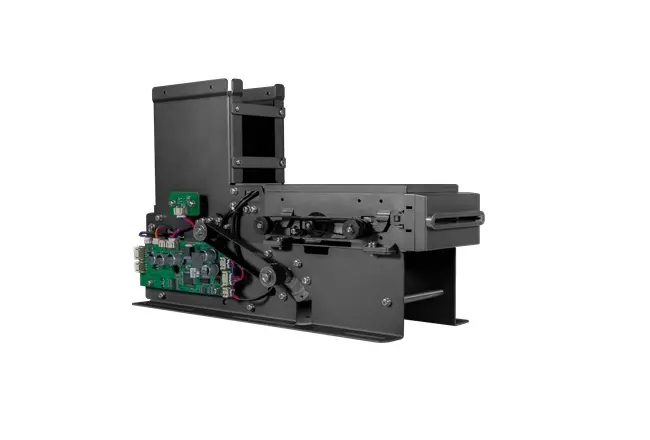
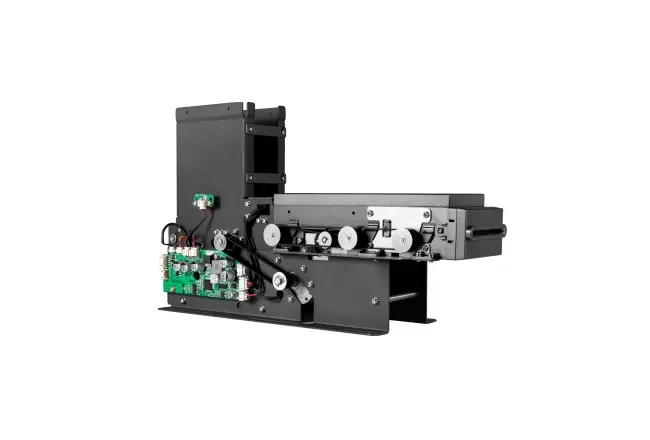
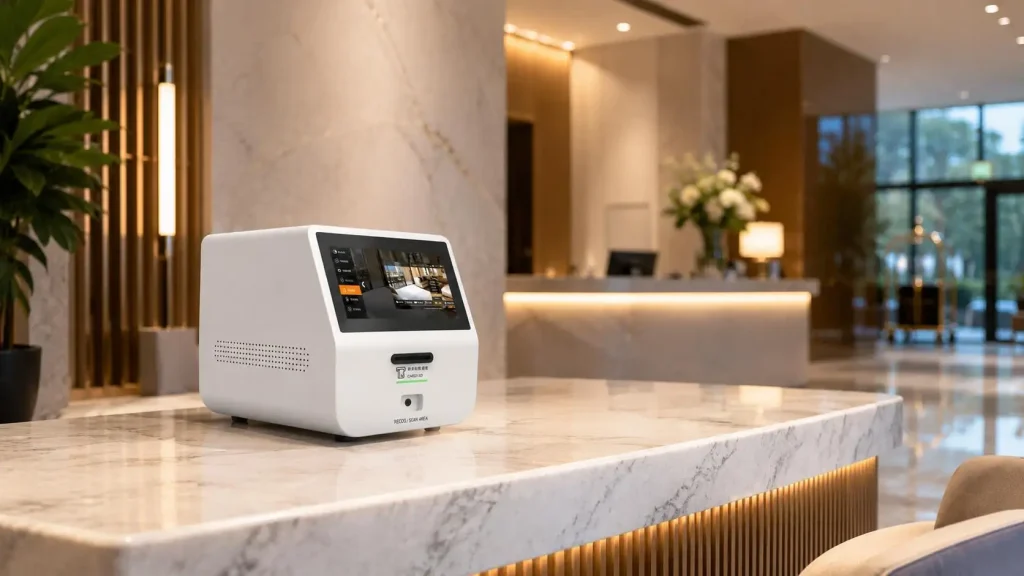
2026-05-26Hotels have to strike a balance wither eco-friendliness, costs and convenience. Magnetic stripe disposable key cards are convenient and inexpensive, but they add more plastic waste as compared to recyclable key cards, which are RFID and NFC based. While they are eco friendly, they require a more institutional process to collect and reissue. Without smart hardware, recycling programs fail due to high labor costs and card damage. This is where a Key Card Dispenser evolves from a simple card issuer into a green management hub. In this article, we compare both card types and explain how the Self-service Card Dispenser TTCE-D760-A – the best hotel automatic check-in kiosk solution – helps properties cut costs while shrinking their environmental footprint.
1. A Comparison of Recyclable and Disposable Key Cards
| Feature | Disposable Card | Recyclable Card |
| Material | PVC or paper-polyester composite | Hard PVC / PC (0.76–0.8mm) |
| Lifespan | 1–3 uses | 500+ uses (if handled properly) |
| Cost per use | Low upfront, high downstream | Higher upfront, low downstream |
| Impact on waste | High, goes to landfill | Low, ends in closed-loop reuse |
| Write technology | Magnetic stripe (demagnetized easily) | IC (RFID / NFC, durability) |
✅ Pros of Recyclable Cards
• Reduce plastic waste by 95% or more if reused 100+ times
• Lower costs over time
• Work with smart key card dispensers that automate the collection and rewriting of cards
❌ Cons Without Automation
• Cards are not collected back
• Staff sort out cards (good vs. bad) – tends to be tedious
• Cards that are good are often thrown away
�� What would help solve these problems? A Key Card Dispenser that classifies and recycles would definitely help.
2. How a Smart Key Card Dispenser Balances Cost & Eco-Goals
The bridge between recyclable cards and real-world hotel operations is an intelligent dispenser that collects, inspects, reissues, and alerts. Below are the critical balancing features, demonstrated by the TTCE-D760-A.
2.1 Good & Bad Card Classification – No Manual Sorting
“Good and bad cards are classified and recycled.” – TTCE-D760-A specification
When a guest returns a card, the dispenser automatically:
• Reads the IC chip – if data is intact → good card sent to recycle bin for immediate reuse
• Detects physical damage or chip failure → bad card sent to a separate reject bin
�� Benefit: Staff no longer guess. The machine ensures only functional cards return to circulation, cutting replacement purchases by 60–80%.
2.2 Smart Alerts Prevent Waste & Downtime
The TTCE-D760-A supports multiple intelligent reminders:
• Card pre-empty alert – order new recyclable cards before running out
• Card empty alert – avoids guest frustration
• Recycled card full alert – prompts staff to empty the good-card bin
• Card issuance failure alert – immediate error feedback
These alerts directly lower costs: no emergency shipping fees, no interrupted check-ins, and no accidental disposal of still-good cards.
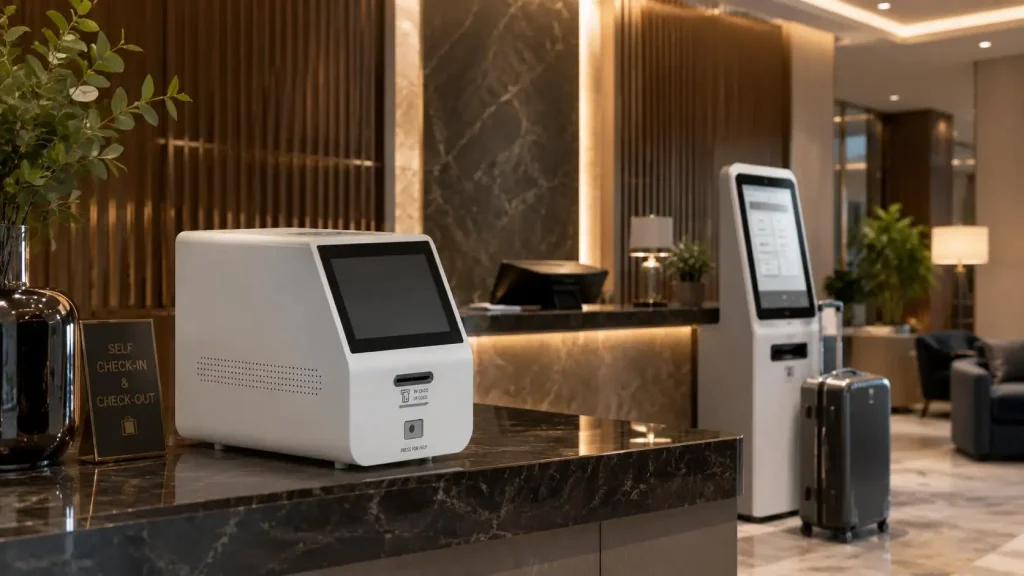
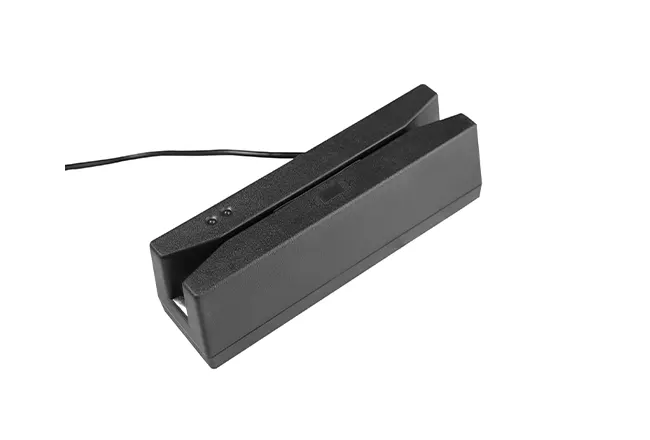
2.3 Supports Contactless IC Cards – the Heart of Recyclable Systems
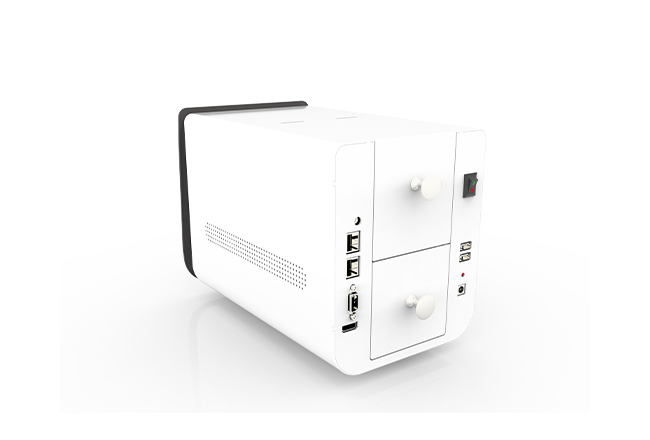
Recyclable cards use contactless IC technology (Mifare 1, ISO14443A, ISO15693). The TTCE-D760-A:
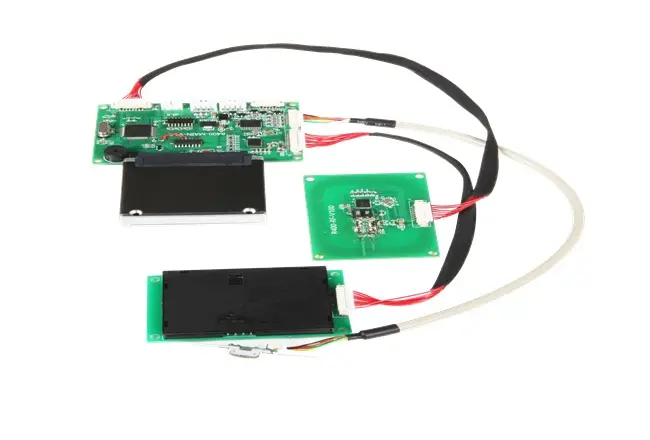
• Integrates an electric card issuer + reader/writer
• Reads and writes to these durable, rewriteable chips
• Works with USB or PC terminal for seamless hotel PMS integrationBecause IC cards can be rewritten thousands of times, one physical card serves hundreds of guests. The Key Card Dispenser makes rewriting automatic: when a guest returns a card, the dispenser erases old data and prepares it for the next check-in.
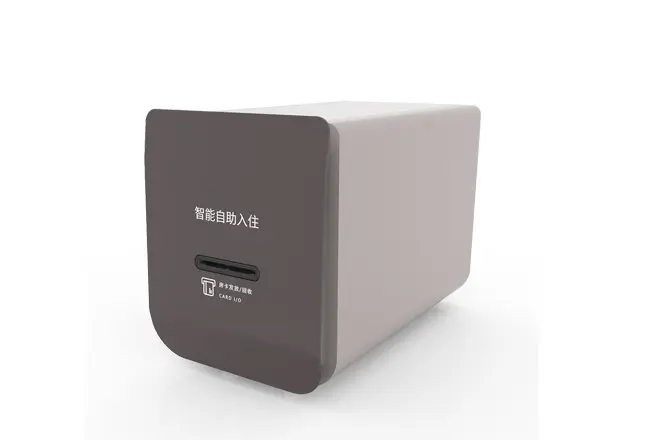
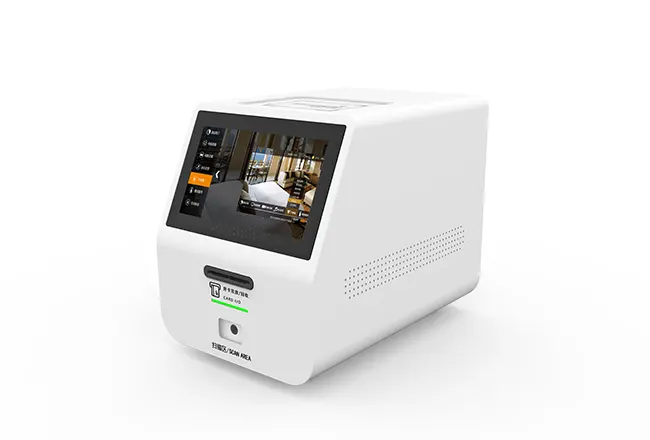
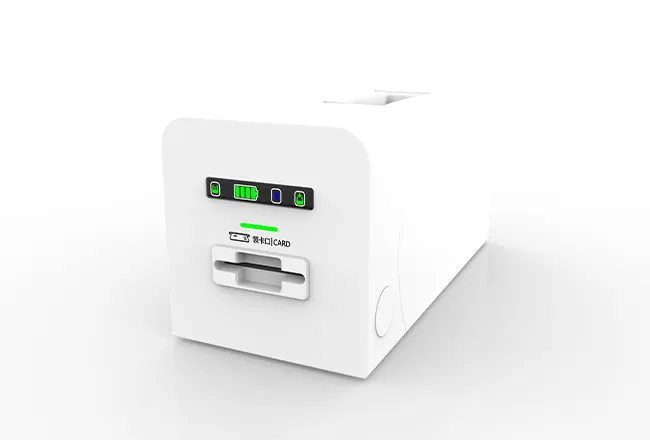
2.4 Compact Tabletop Design – Encourages Guest Self-Service
The TTCE-D760-A features:
• Desktop small terminal, novel appearance, surface paint treatment (wear & corrosion resistant)
• 8-inch HD LCD display (1024×600)
• Optional QR code scanning + ID card recognition
Placed at the front desk or self-service kiosk area, it invites guests to drop their used cards into the card input slot and pick up a freshly issued one. This self-service loop eliminates the “card hoarding” problem that kills recyclable programs.
3. TTCE-D760-A: The All-in-One Self-Service Card Dispenser for Hotels
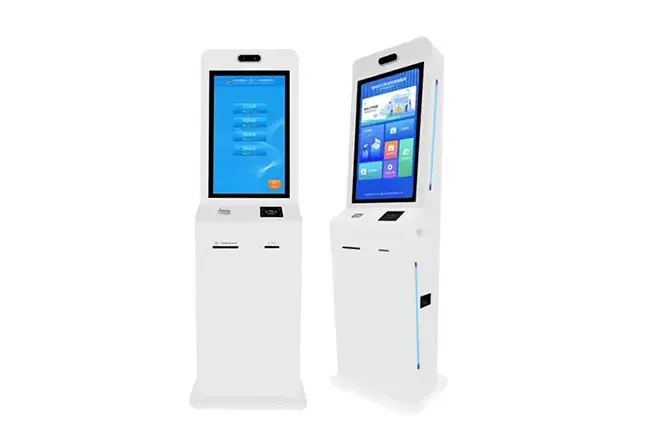
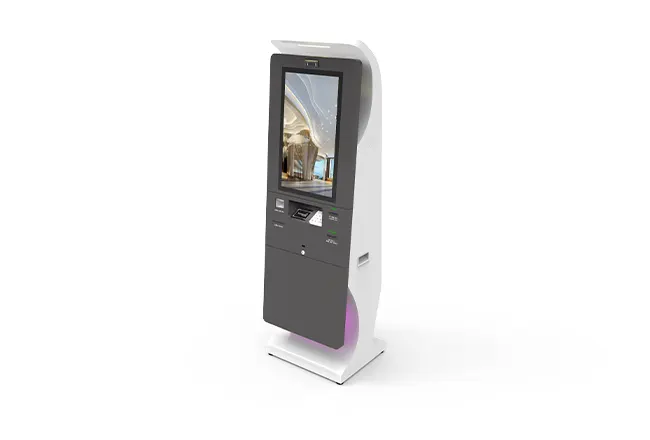
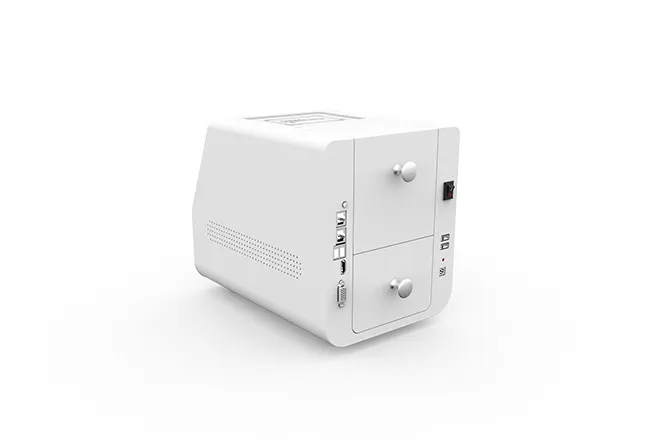
The Self-service Card Dispenser TTCE-D760-A is more than a key card dispenser – it is the best hotel automatic check-in kiosk solution with a small footprint. Let's look at why it perfectly balances cost and sustainability.
�� Specifications That Matter for Eco-Operations
| Parameter | Detail |
| Card thickness | 0.76–0.8 mm (standard PC/plastic card) |
| Dispenser model | K750-C / K750-B / K750-L (holds 50 cards @ 0.76mm) |
| Drive life | 500,000 cycles – industrial grade |
| OS support | Windows / Linux (USB communication) |
| Environmental | 0℃ to 50℃, 30–90% humidity |
| Weight | <7.0 kg – easy to relocate |
�� Key Advantages for Cost & Environmental Balance
• Reduces card purchase frequency
By reclassifying returned cards, a hotel with 200 rooms cuts annual card orders from 20,000 to ~4,000.
• Prevents premature discarding
The “bad card” bin only collects truly unusable cards – not those with dirty surfaces or weak batteries.
• Supports mixed deployment
You can still use disposable cards as emergency backups. The TTCE-D760-A handles both types; just load the chosen card in the cassette.
• Integrates with check-in kiosk workflow
Guests scan QR code or ID card → dispenser issues a recyclable card → at checkout, they insert card for automatic check-in closure and recycling. Zero extra staff steps.
• Low maintenance & robust
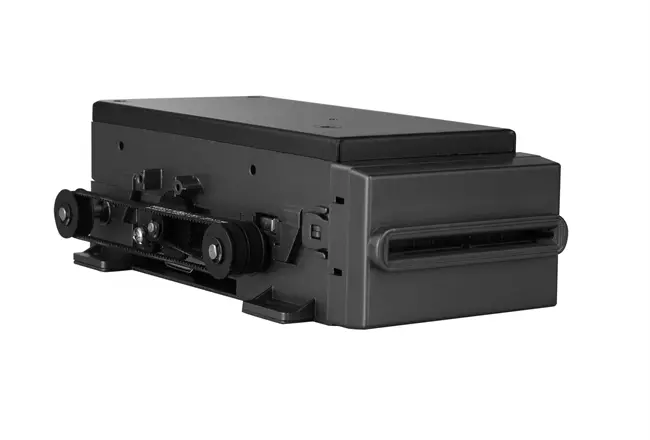
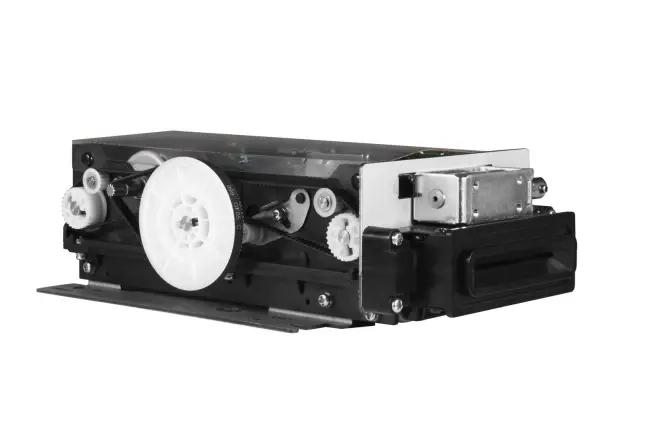
Industrial-grade design, high-strength plastic card channel, precision processing. Even dusty or high-temperature environments don't affect operation.
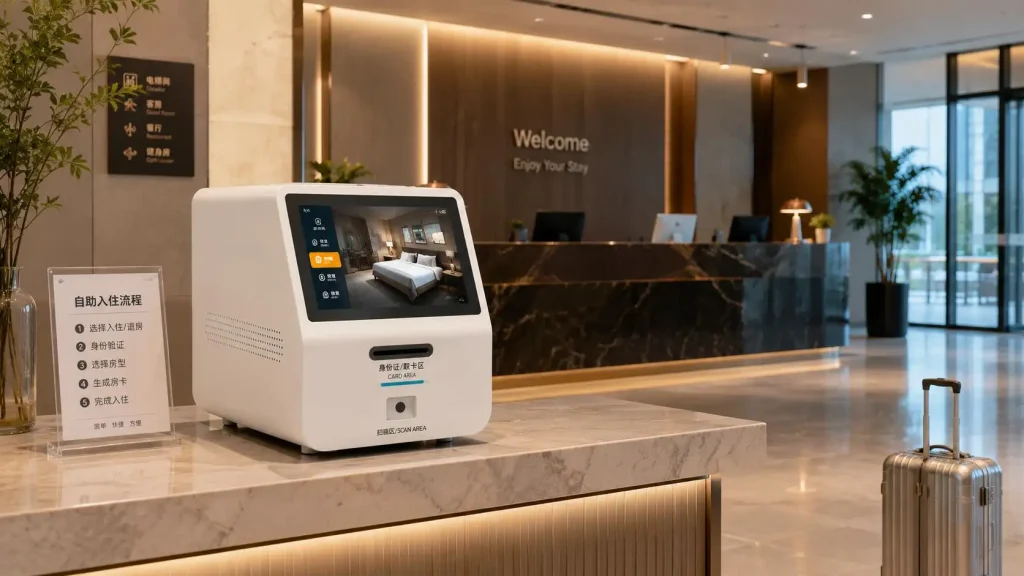
4. Real-World Impact: A 150-Room Hotel Example
| Metric | Without Recyclable Program | With TTCE-D760-A + Recyclable Cards |
| Annual card purchase | 18,000 pcs | 3,500 pcs |
| Card cost/year | $2,700 | $525 |
| Plastic waste | ~28 kg | ~5.5 kg |
| Staff time sorting cards | 2 hrs/day | 10 min/day (empty bins only) |
| Returned cards lost | 35% | <5% (dispenser collects slot) |
Result: The Key Card Dispenser pays for itself in 9 months solely through card savings – while drastically reducing landfill contribution.
5. Conclusion: Choose Recyclable Cards + Smart Dispenser
Disposable key cards seem cheaper today but cost the planet and your budget tomorrow. Recyclable contactless IC cards are the future – but only if you have a Key Card Dispenser that automates collection, classification, rewriting, and alerts.
The TTCE-D760-A from TTCE offers exactly that:
• Good/bad card classification
• Multi-alert intelligence (pre-empty, empty, full, failure)
• Compact, stylish desktop design
• Seamless PMS integration via USB / Windows/Linux
Upgrade to the best hotel automatic check-in kiosk solution – save money, reduce waste, and give your guests a faster, greener check-in experience.
�� [Contact TTCE to learn more about the Self-service Card Dispenser TTCE-D760-A]
FAQ
Q1. Can the TTCE-D760-A work with both disposable and recyclable key cards?
Yes. Cards made from plastic or polycarbonate, as well as cards that are between 0.76 to 0.8 mm thick will be accepted, including disposable magnetic stripe cards, and can also accept recyclable contactless IC cards.
Q2. How does the machine know if a returned card is still good?
The dispenser automatically reads the card's IC chip. If data is readable and the card is undamaged, it's sent to the “good card” bin for reuse. Failed cards go to a separate reject bin.
Q3. What happens when the recyclable card bin is full?
The device triggers a “recycled card full” intelligent alarm, alerting staff to empty the bin – no service interruption.
Q4. Does using recyclable cards really save money?
Yes. A single recyclable card can be rewritten hundreds of times. With automatic sorting and reissuing, hotels can cut annual card purchasing costs by 60–80%.
Q5. Is integration of the TTCE-D760-A into an existing hotel management software solution simple?Not at all. The software can run on Windows or Linux and interfaces with PC terminals via USB. Thus, it can be integrated with almost any property management system (PMS).
