

Blog Related
How a Ticket Dispenser Vending Machine Solves Long Queues
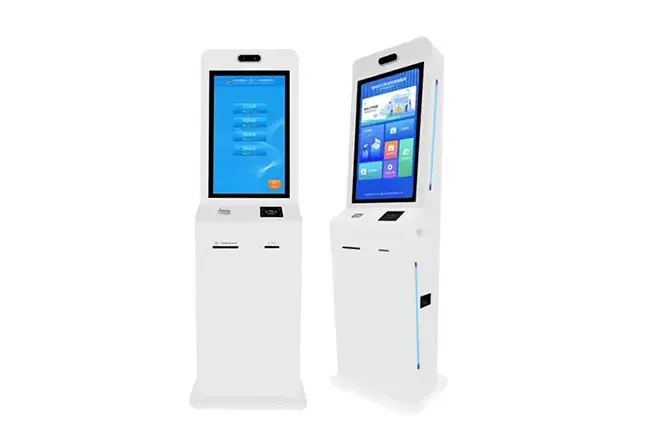
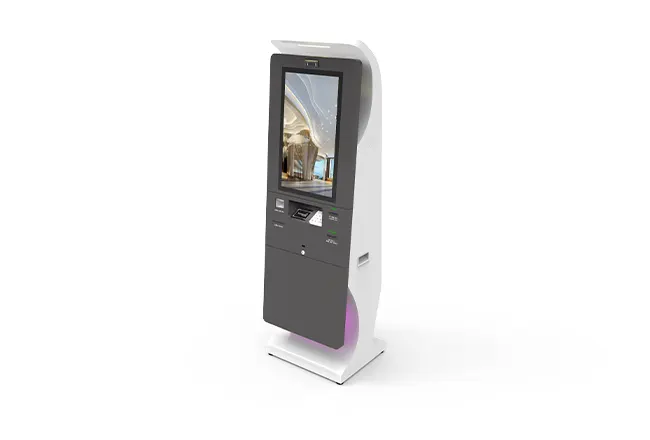
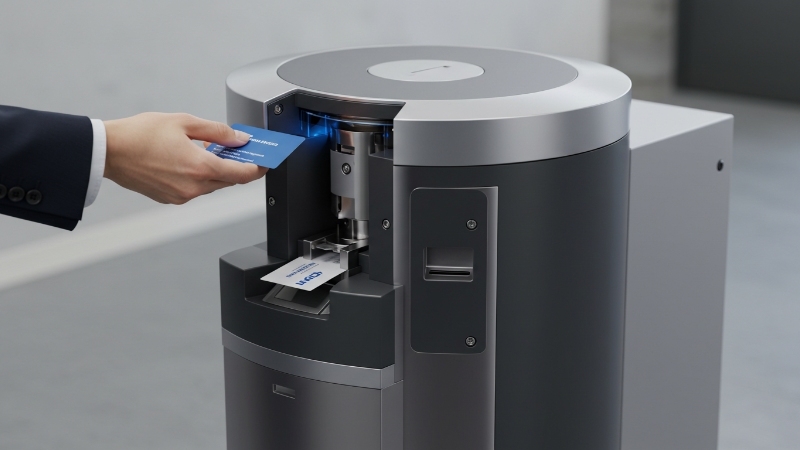
2025-09-24Ticket Dispenser Vending Machine tech turns waiting into flow. Lines shrink. Staff exhale. Customers keep moving. At TTCE, we study peak hours and spot the choke points - manual steps, fragile devices, rigid layouts. Our compact, connected, secure solution goes to the queue, not the other way around. The difference is in the details that cut hidden delays. Small choices, big outcomes.
The Real Reasons Lines Form (and Linger)
Queues rarely appear because a venue is simply "busy." They appear because the workflow at the counter has too many handoffs. One tool issues cards, another reads them, a third writes data. Each extra step invites rework and delay. When mixed media - magnetic, contact IC, and contactless RF - rotates through the same window, operators switch modes, swap supplies, and re-align readers. Connectivity makes matters worse if a kiosk can't talk to tablets or a POS app on short notice. And when a device is awkward to service or insecure to leave unattended, downtime and supervision slow everything else around it.
At TTCE, we design against those hidden costs. We integrate what belongs together, simplify how devices connect, and make maintenance obvious before failure becomes visible in the line.
✅ Pain Points We Eliminate
- Fragmented steps that force operators to move between devices for issuing, feeding, and read/write tasks.
- Media switching across magnetic, contact, and contactless cards that breaks operator rhythm.
- Limited connectivity that prevents ad-hoc line busting with tablets or mobile counters.
- Maintenance blind spots where unclear status lights or open bins invite errors and stoppages.
- Inflexible hardware that can't be redeployed quickly when crowds shift.
A Ticket Dispenser Vending Machine that addresses these frictions doesn't just process faster; it prevents the delays from forming in the first place.
TTCE's Approach: Integrated, Connected, and Easy to Move
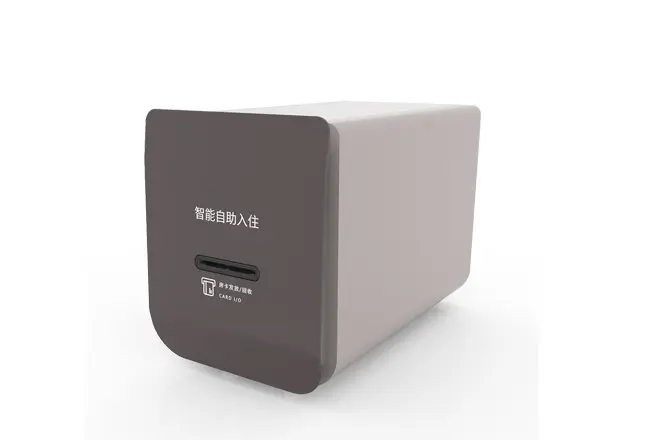
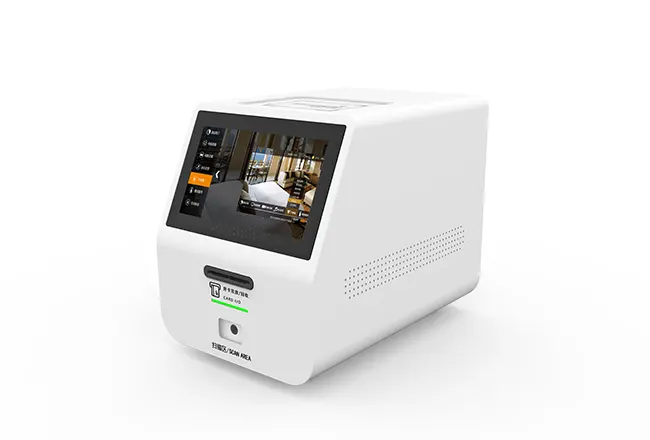
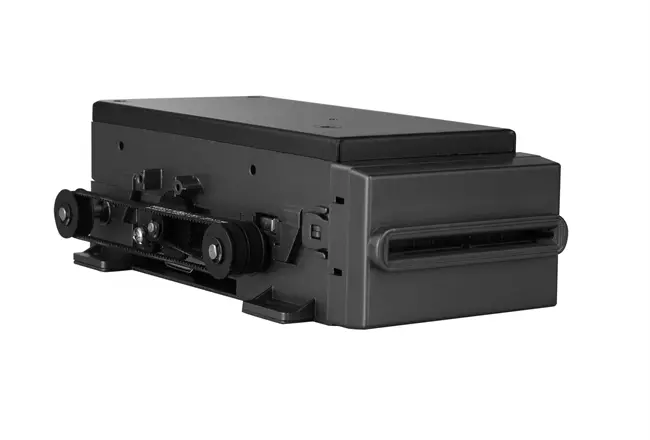
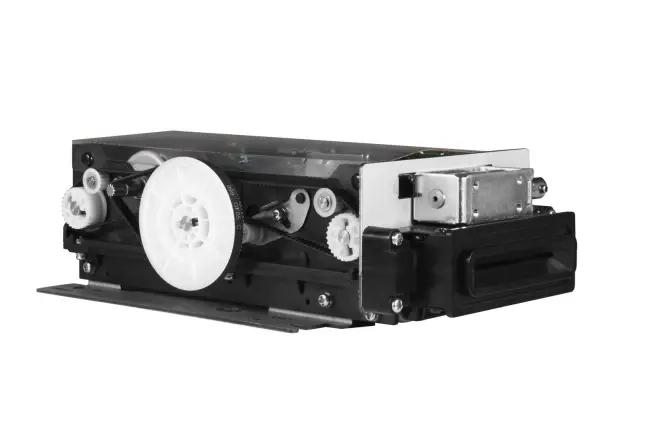
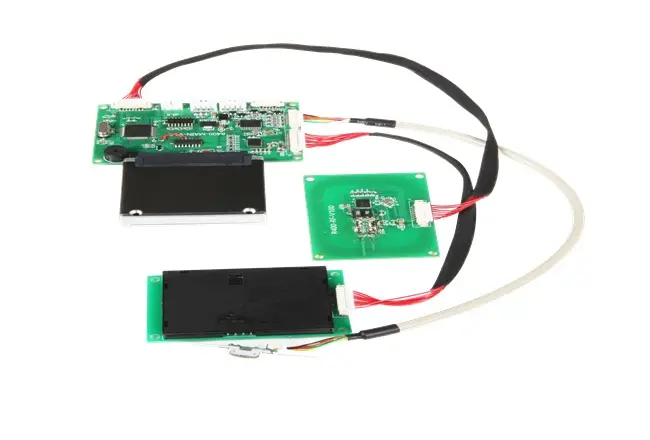
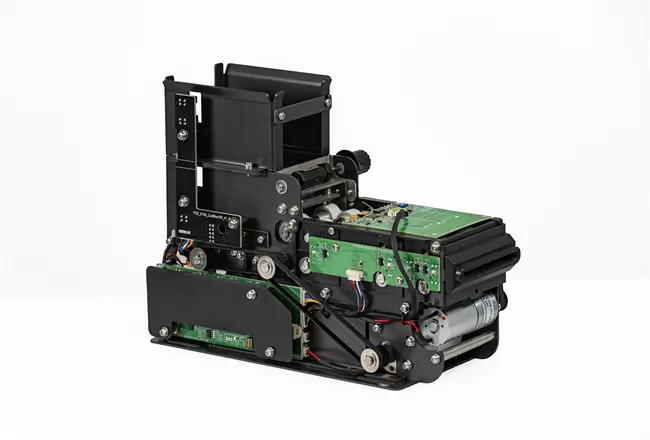
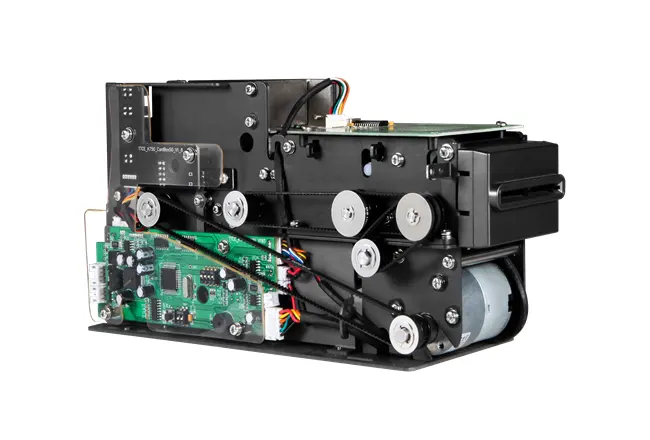
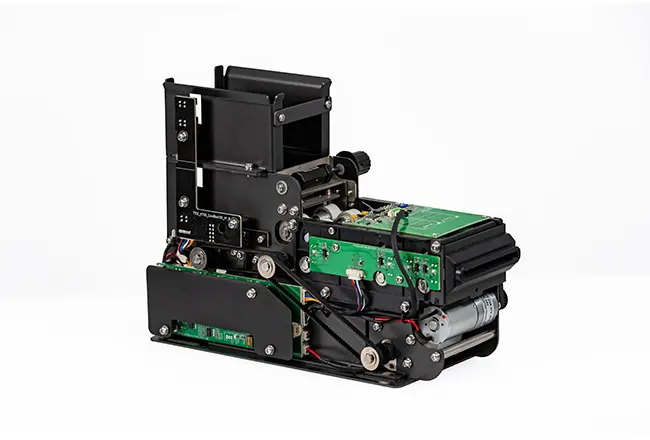
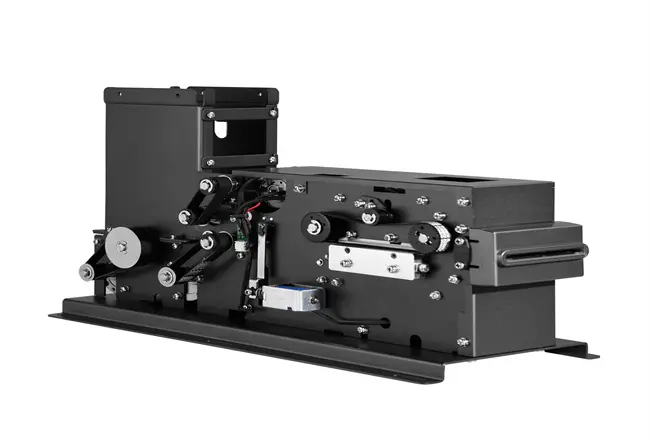
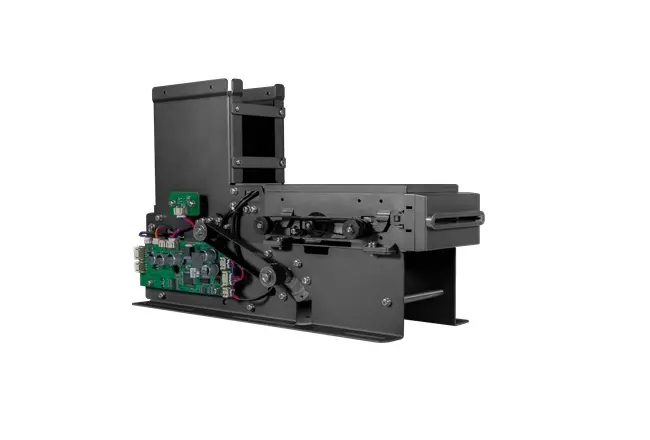
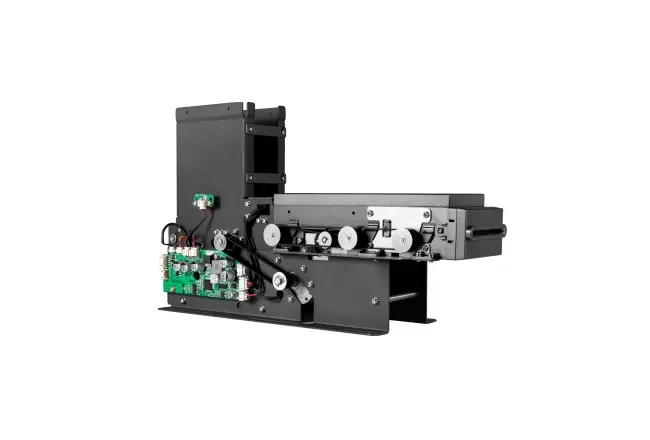
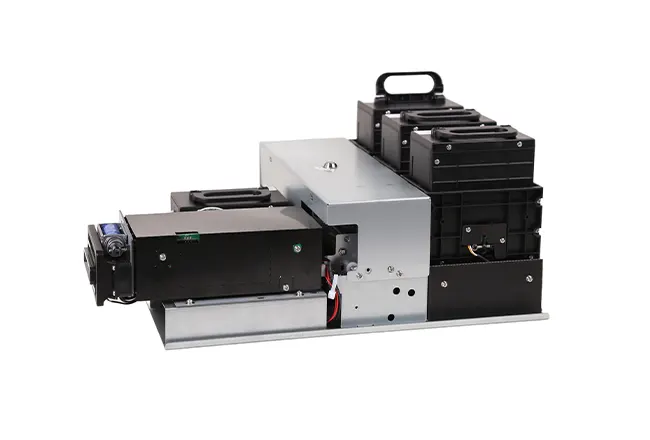
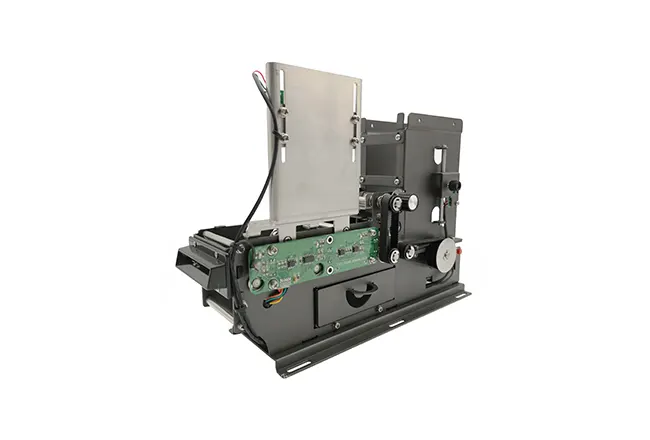
We engineered our compact unit to consolidate the essentials: electric card issuing, card feeding, magnetic card reading, and full read/write for both contact IC cards and RF cards. Integration matters because it shortens every transaction by default. Operators don't travel between devices, and software workflows remain consistent whether you're issuing a transport card, encoding a hotel key, or activating a retail membership.
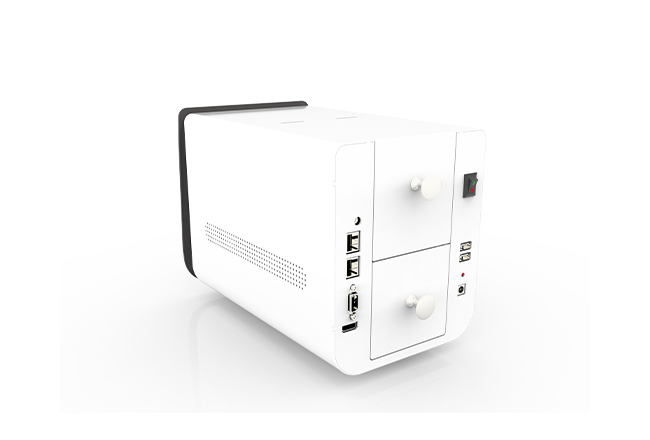
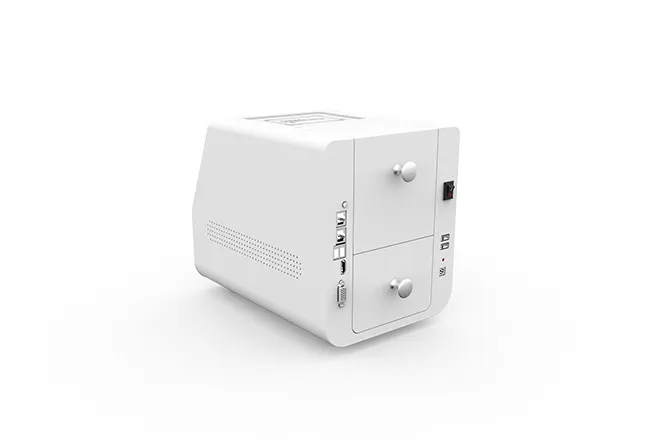
Connectivity follows the same principle. The device supports Android system integration, USB, network port (LAN), Bluetooth, and Wi-Fi. Fixed counters can plug in and go. Pop-up stations can pair a tablet in seconds and move to the lobby, the concourse, or the entrance gate - wherever the line is forming right now. Many customers start wired, then add a wireless tablet during peaks to split the queue without rewiring the counter or adding new furniture.
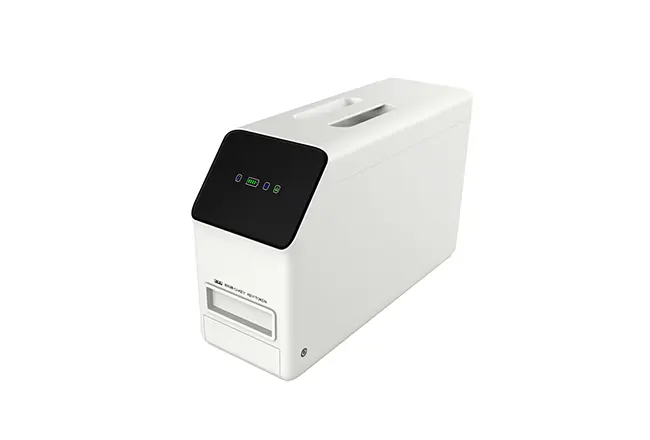
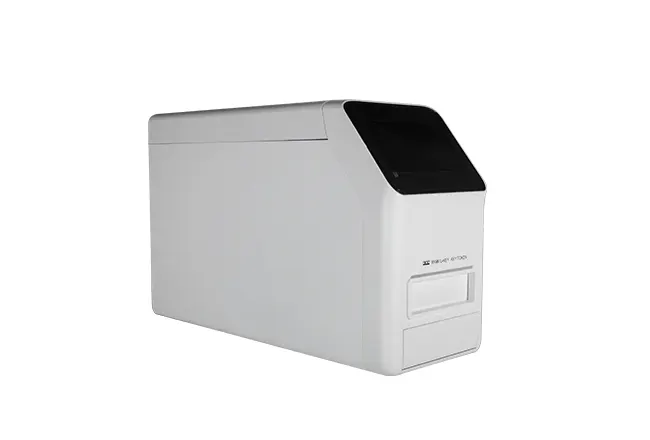
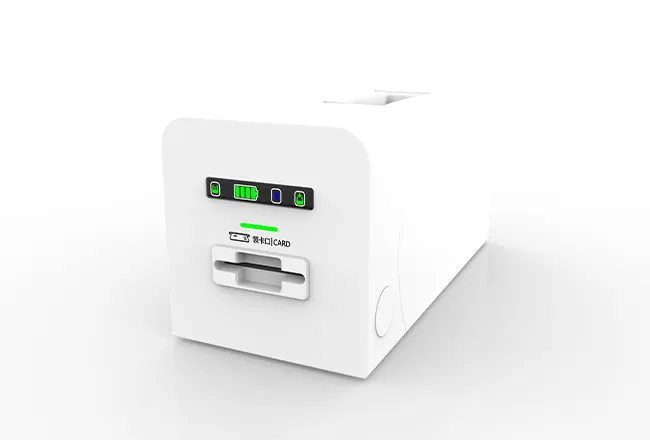
Security and serviceability are built into the frame. A fully enclosed, lockable card box and recycling box keep media protected and refills predictable. Clear status indicators - for Wi-Fi, card empty, power, Bluetooth, and more - give staff an early warning system. Fix the small issue, and you never suffer the big delay. The unit's small size and light weight mean it can be relocated quickly for events, seasonal peaks, or construction detours.
❓ Why Integration Shrinks Waiting Time
When issuing, reading, and writing live in one machine, handoffs disappear. The operator feeds a card once. The software talks to one device. Movement is minimized. In practice, that means fewer misreads, fewer retries, and less "back and forth" at the window. It's a quiet efficiency that compounds over thousands of transactions.
• Connectivity That Matches the Crowd
A rigid footprint creates rigid lines. Because our Ticket Dispenser Vending Machine can connect by USB, LAN, Bluetooth, or Wi-Fi, you can shift capacity to where people actually stand. A staffer with a tablet can step into the queue, complete the issuance, and keep the entrance flowing. No temporary cabling. No new kiosk build. Just capacity, placed precisely.
• Uptime by Design: Secure and Serviceable
Locked media boxes protect inventory; recycling reduces waste and manual collection. Status lights remove guesswork. Technicians and front-line staff see what's wrong - low cards, network, power - before the issue affects customers. That's how you protect throughput during the busiest minutes of the day.
Where It Works Best (and What Improves)
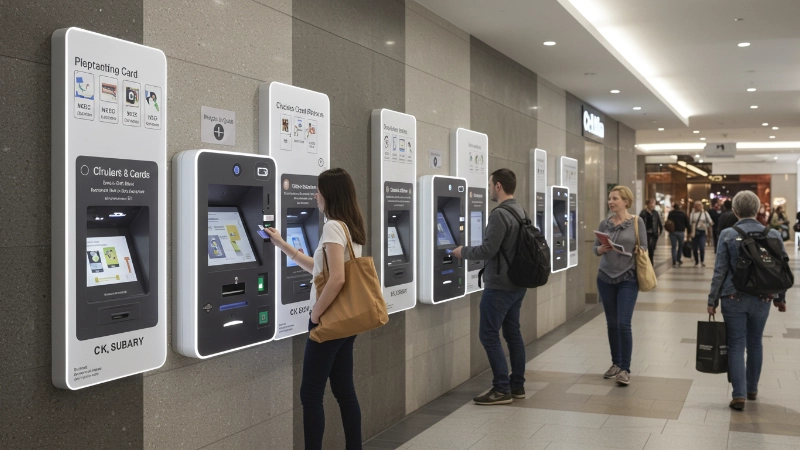
Public transportation. Pair the machine with a gate-side tablet for instant card sales, reloads, or replacements. When a morning crowd surges at one entrance, move a mobile point there and drain the queue.
Banking and financial services. Self-service issuance at branches and ATM lobbies cuts routine counter visits. Customers walk out with active cards; staff reserve desk time for complex cases.
Access control at hotels, offices, and events. Replace manual key encoding with instant, secure entry cards at check-in or registration. If a conference room or VIP door becomes a bottleneck, deploy a roving tablet-plus-device team to clear it.
Retail and loyalty. Sign up, issue, and activate membership or gift cards on the spot - no mailing delays, no second visit. Promotions that generate heavy footfall can be supported by relocating an additional unit to the front of the store.
Parking and ticketing kiosks. Gate queues collapse when issuance and recycling happen in the same footprint. Clear status lights mean attendants resolve small issues before a line forms at the barrier.
Cross-site results converge - streamlined steps, reduced error paths, higher hourly volume, steadier staff under load. The integrated design effectively serves as an RFID card dispenser machine while maintaining full compatibility with ISO14443 Type A and Type B contactless protocols, so you're ready for modern media without abandoning legacy cards.
✅ A Practical Rollout Plan (Start Small, Scale Fast)
You don't need a full redesign to see relief. Begin with a single Ticket Dispenser Vending Machine at the highest-traffic point and measure the impact on throughput and satisfaction. Add a second unit in Bluetooth or Wi-Fi mode to create a floating capacity booster during peak windows. Standardize card types by location to reduce media switching. Train staff to scan the status panel during every shift change, and keep a spare locked card box ready for quick swaps. As patterns change by season or event, move the mobile unit to the new hot spot - no contractor visit required.
- Pilot at one choke point; record average service time before/after.
- Pair a tablet for mobile line-busting during known peaks.
- Align media by site to minimize changeovers.
- Use status indicators as a proactive maintenance checklist.
- Expand footprint gradually; let crowds, not furniture, dictate placement.
Ready to Turn Queues Into Flow?
TTCE can help you map peak traffic, choose the right connectivity (USB, LAN, Bluetooth, or Wi-Fi), and stage a low-risk pilot that shows measurable gains within days. If a Ticket Dispenser Vending Machine could relieve your busiest window - or unlock a new self-service lane - we'll build a deployment plan that fits your team and your space. Contact TTCE today to start moving people faster, with less stress and more satisfaction.
