

How RFID Reader Writer Ensures Tamper-Resistant Transactions
2025-10-21RFID Reader Writer solutions are changing the playbook for secure payments, identity verification, and high-throughput access. Banks, transit operators, hospitals, hotels, and retailers all want the same thing: transactions that are fast, predictable, and shielded from manipulation. As TTCE - a high-tech enterprise recognized by China's Ministry of Science and Technology - we build embedded reader modules that meet those demands while keeping integration clean for product teams.
Why Tamper-Resistance Can't Be Optional
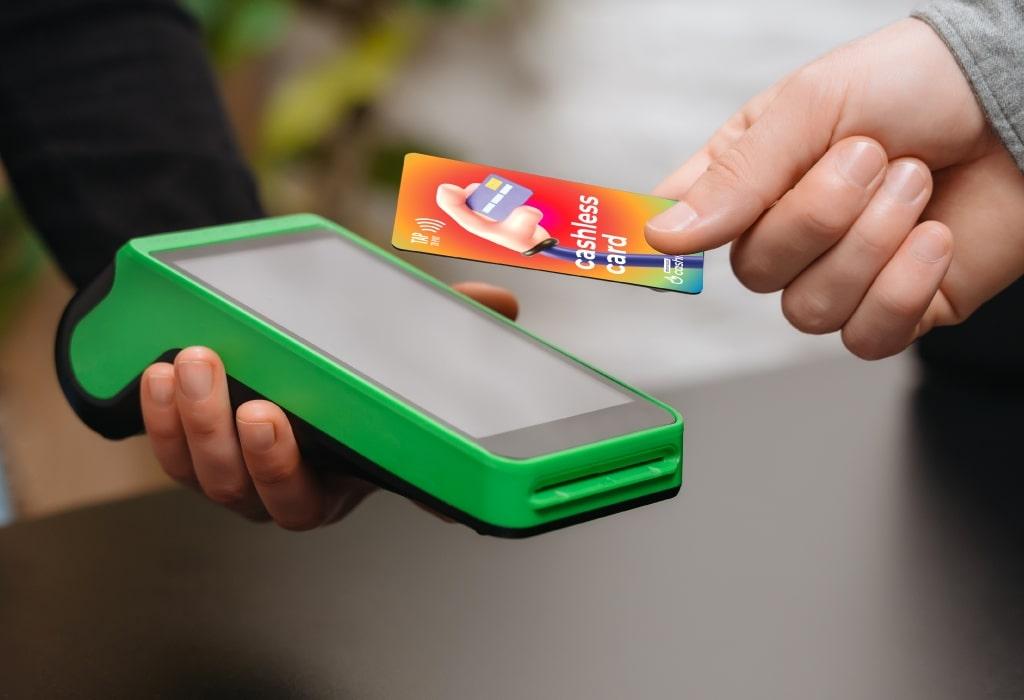
Threats don't just live in the cloud. They sit at the counter, the kiosk, and the gate. Legacy readers often struggle with noisy environments, worn cards, or poor shielding. That means inconsistent reads, manual retries, and long queues. Hardware sprawl creates its own risks: one device for magnetic stripe, another for IC cards, a third for RF cards. Each extra box adds cabling, firmware versions, and potential misconfiguration.
Tamper-resistance begins at the edge, inside the reader where data is captured and validated. Our approach joins hardware safeguards with secure data handling and firmware logic. The objective is simple: capture the card once, confirm authenticity quickly, and move the validated data through the host application with integrity intact. The payoff is visible - fewer chargebacks, fewer transaction restarts, and a smoother customer experience for tamper-resistant payment terminals and secure kiosks.
✅ Common weak points we see in the field:
• Inconsistent recognition that forces re-swipes or re-taps
• Risk of data manipulation during read/write operations
• Multiple single-purpose devices that inflate maintenance and downtime
Inside The Reader: How TTCE Strengthens Security And Throughput
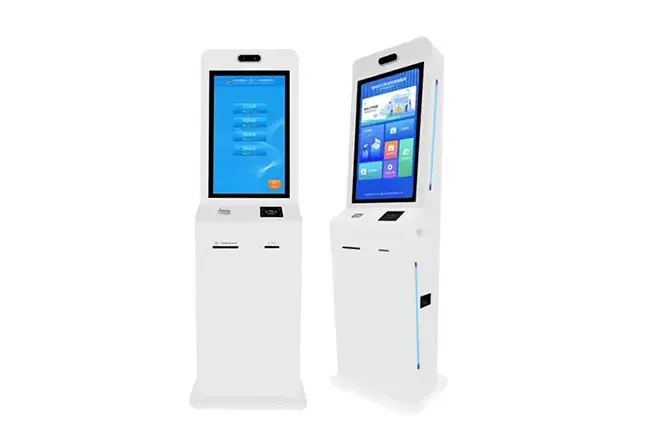
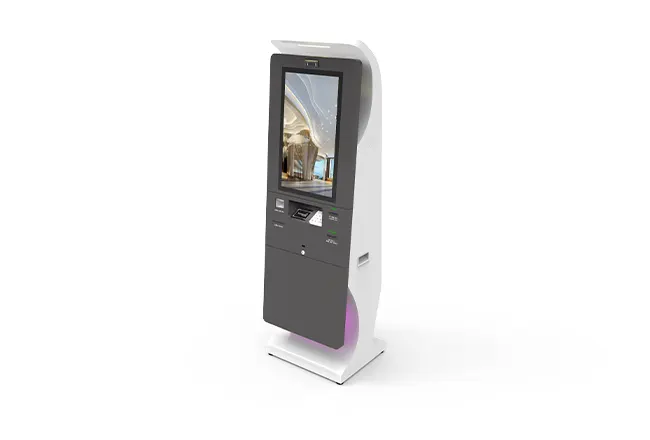
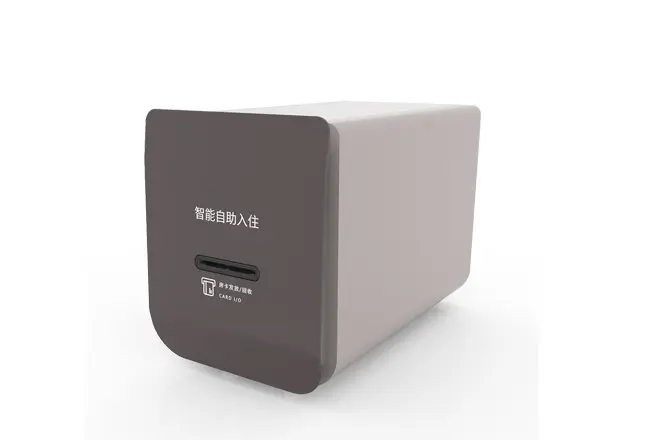
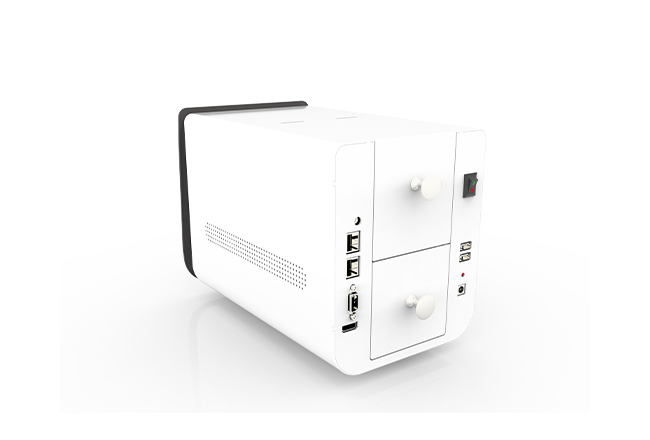
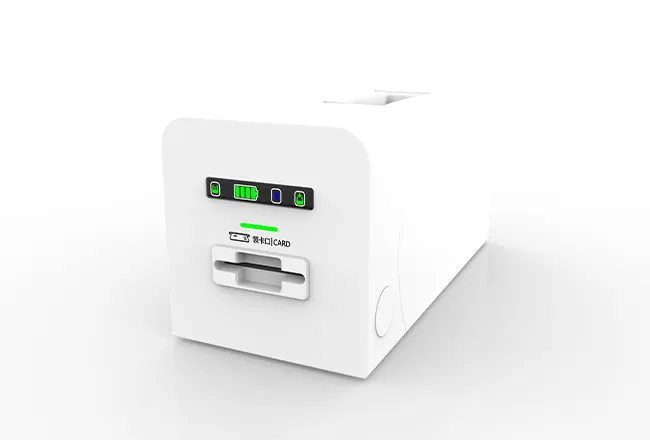
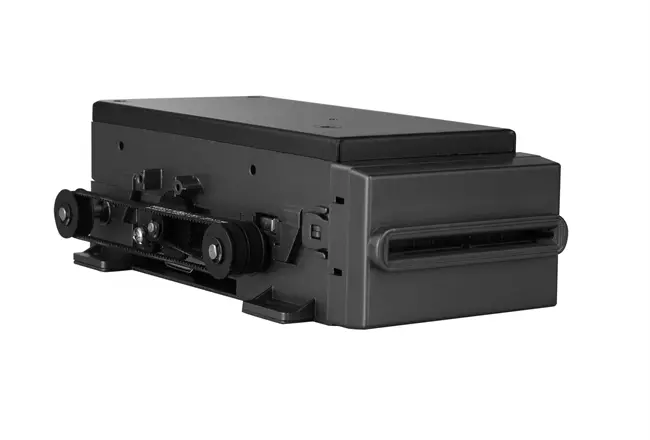
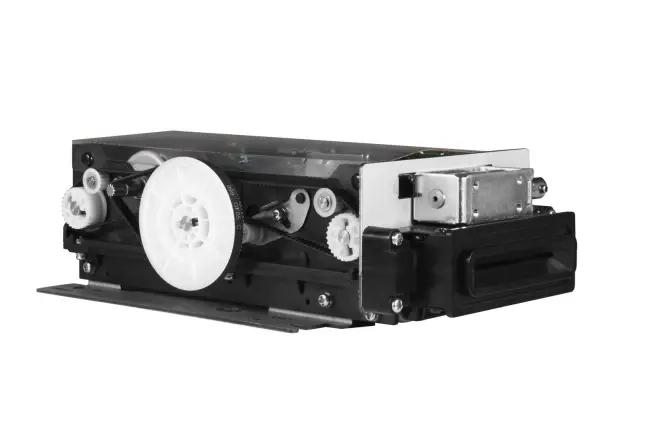
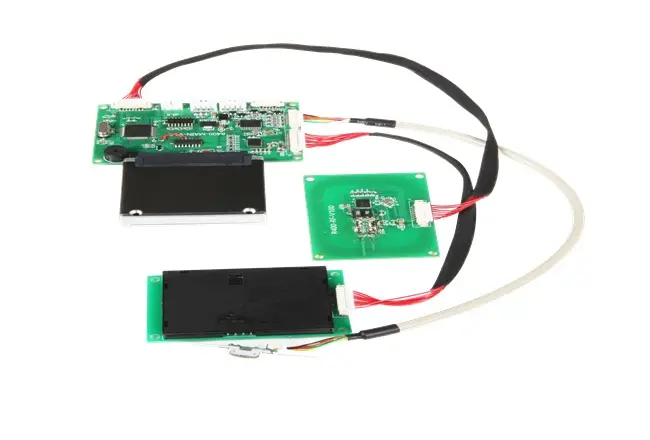
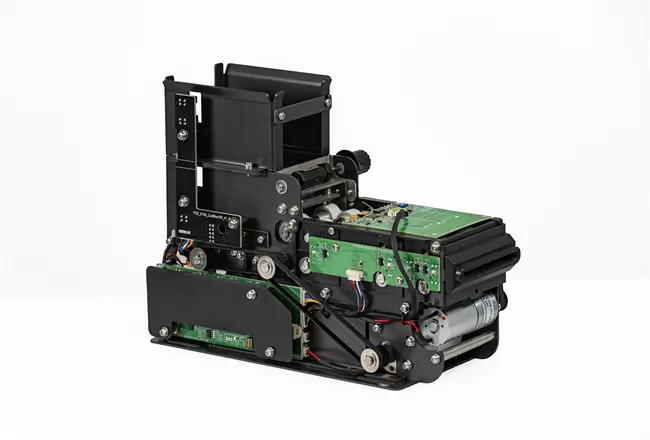
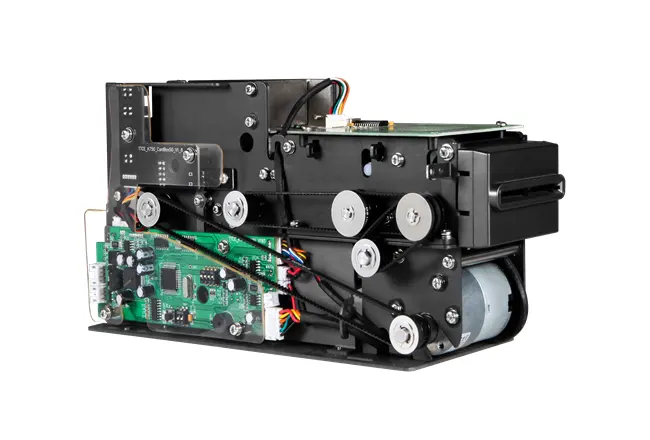
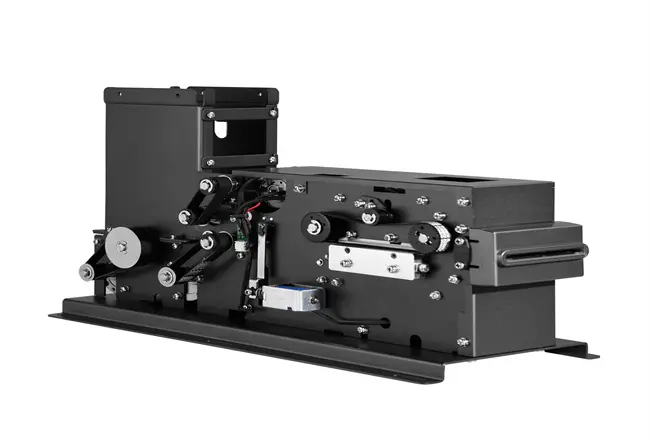
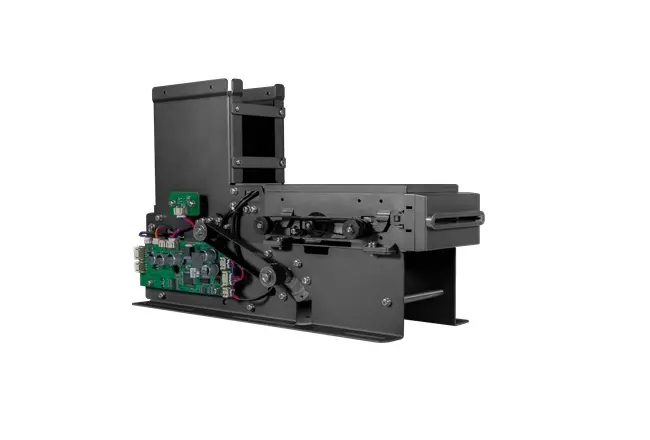
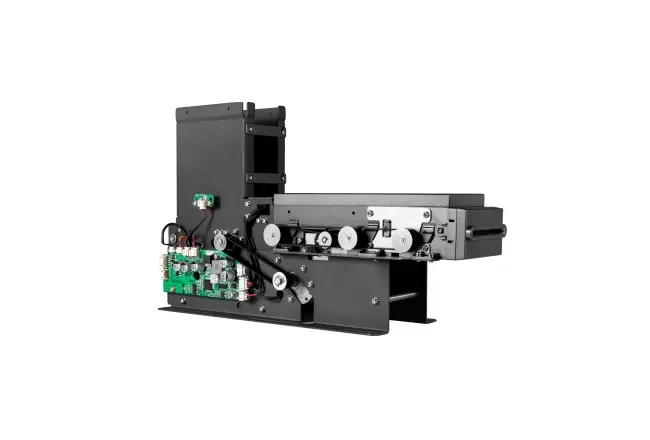
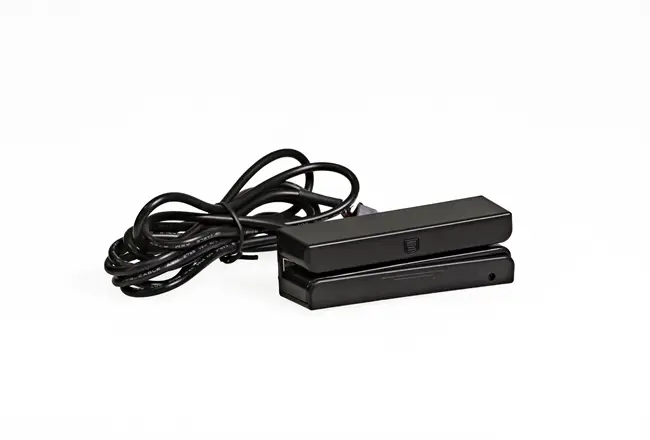
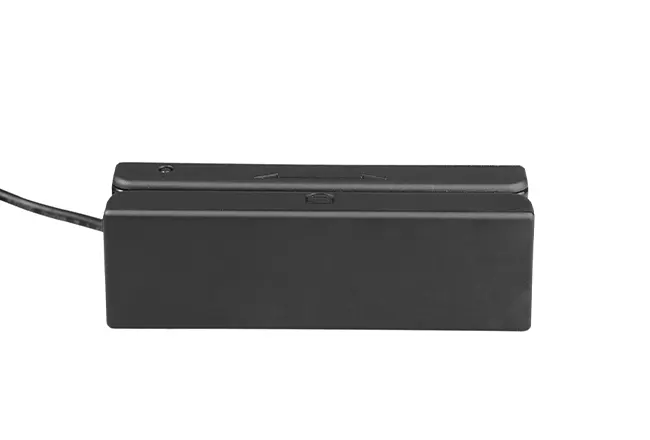
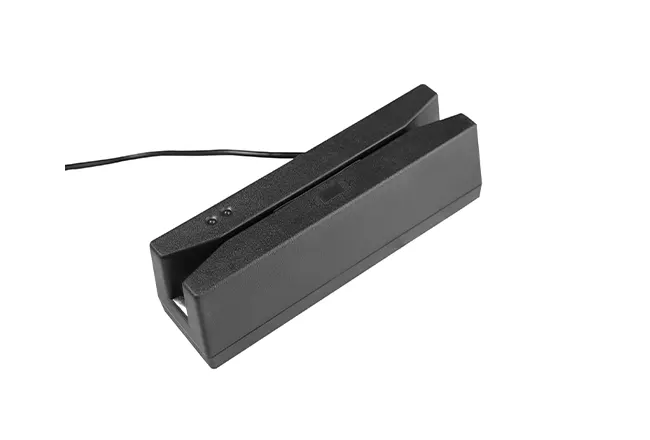
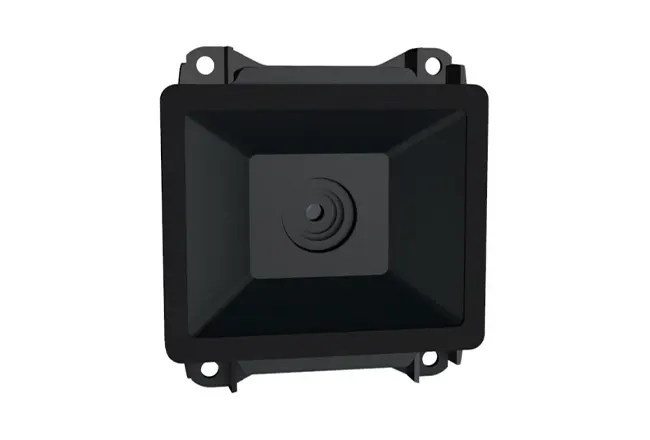
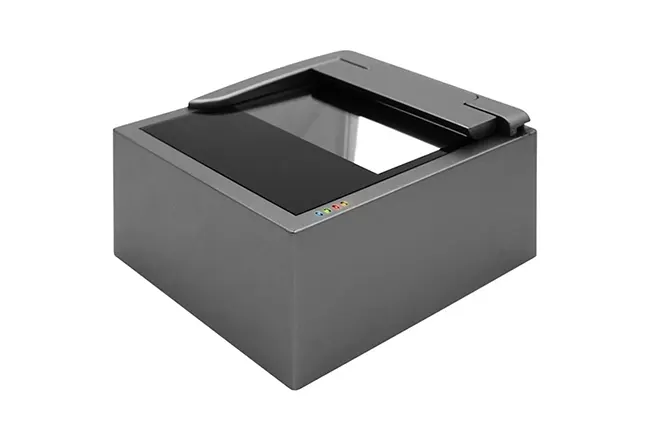
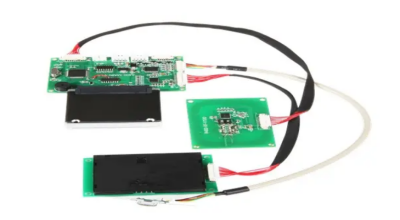
Our embedded RFID Reader Writer module unifies IC/RFID card read/write with magnetic card read in a single compact design. You can freely select IC card, magnetic card, and RF card functions - individually or in combination - to match your use case. This multi-in-one architecture replaces several boxes with one, trims your bill of materials, and simplifies application logic.
Just as important is what happens to data after the antenna sees the card. The module performs secure, tamper-resistant data processing, protecting the path from card interface to host. Move people, not bottlenecks. Our tuned transaction engine keeps lines flowing at rush hour. USB power makes prototypes plug-and-play, and the low-profile embedded form factor snaps right into terminals, fare gates, and card printers.
✅ All-in-One, Without the Rework
- IC/RFID read/write + magstripe in one module
- Mix-and-match modes for any venue
- Quick host integration for rapid launch
✅ Built to Run - And Keep Running
- Tough build, long duty cycle
- Rock-solid reads, less babysitting
- High-throughput, zero-drama swipes
✅ Real Tamper-Resistance
Integrity checks up front. Minimal attack surface. Strict error handling. Segmented firmware that keeps secrets separate from I/O noise. Secure the very first hop and you shut down injection, replay, and silent data drift. Architects get cleaner logs and fewer corner cases. Ops gets the same result every day - no surprises at scale.
Where It Works
Banking & Finance. ATMs, card issuance stations, and payment terminals need high-confidence reads and clean data paths. The RFID Reader Writer module delivers consistent performance that helps reduce transaction errors without slowing the line.
Access Control. Offices, hotels, and campuses rely on precise authentication. Support for both RF and magnetic credentials gives facilities teams freedom to migrate users at their own pace while keeping doors and gates responsive.
Public Transit. Ticketing and fare collection require sub-second response and rock-solid uptime. With fast, seamless reads and embedded deployment, operators can keep queues short - even during rush hour.
Retail & Loyalty. Checkout lanes thrive on predictability. Accurate membership verification and reward redemption reduce awkward moments at the POS and help maintain customer trust.
Healthcare. Patient identification and controlled access to medical records demand both speed and data integrity. A tamper-resistant reader at the edge supports clinical workflows that cannot tolerate delays or exposure.
- Implementation Tips For Product Teams
If you're building terminals, kiosks, or gates, start with the interaction you want users to feel. Then map each step - card presentation, read/write, validation, host confirmation - and decide where to enforce integrity. Place the RFID Reader Writer as the first checkpoint, not just a sensor to query. Keep firmware up to date, record results at the reader, and surface status codes to the host for precise troubleshooting. Combine this with solid physical practices - shielding, clean cable routing, and proper grounding - to keep interference to a minimum.
Build with TTCE: From Pilot to Scale
The jump from prototype to full rollout is where many programs falter. TTCE helps you cross that gap with repeatable processes and production-ready tooling. Our engineering team supports you through field tests, tuning read ranges, and choosing the right combination mode for your media mix. Because the module is embedded and USB-powered, pilots can begin quickly - often reusing existing terminal enclosures and host software with light adjustments.
Operational success is about more than a spec sheet. It's about steady performance on Monday morning, after a power cycle, on a humid platform, or in a busy checkout. That is where tamper-resistant processing, durable construction, and graceful error handling pay off. Reduce retries, keep auditors happy, and let your staff focus on customers rather than fiddling with hardware.
Call To Action: Ready to bring tamper-resistant, high-efficiency experiences to your terminals, gates, and kiosks? Talk with TTCE about integrating our embedded RFID reader-writer module. We'll help you choose the right feature set, simplify host integration, and scale with confidence - without adding maintenance overhead.
