

Tips for Avoiding RFID Contactless Card Reader Downtime
2025-09-24RFID Contactless Card Reader downtime drains revenue, erodes trust, and triggers queues your brand cannot accept. From TTCE's vantage point - working with retailers, banks, transit operators, hotels, offices, and healthcare networks - the pattern is familiar: one stalled tap becomes a broken workflow, then a manual workaround, then a support ticket. This article explains the true causes of outages, the habits that prevent them, and how TTCE designs readers to stay online in the real world.
Root Causes of Reader Downtime
- Environment & Infrastructure
Failures often start before software runs. Radio interference from nearby devices, metal panels behind a bezel, or dense harnesses can choke antenna performance and shrink read range. Unstable power - especially from cheap hubs, overlong USB runs, or shared lines - causes brownouts and random resets. Heat, dust, and vibration accelerate wear in kiosks, turnstiles, and outdoor cabinets. Cables get pinched during maintenance, connectors loosen over time, and a reader that "mostly works" becomes a recurring service call.
Mounting choice matters as much as the spec sheet. Readers installed too close to other antennas can cross-talk. Decorative glass or thick covers reduce sensitivity. Small choices - grounding, shielding, and cable routing - decide whether a tap is accepted first time or after three frustrated retries.
- Software & Process Gaps
The next set of problems comes from integration drift. An OS update moves faster than your driver. An SDK change alters a timeout. Error handling is shallow, so a transient network hiccup crashes the app. Logs are thin, making root-cause analysis guesswork. Sites run mixed firmware, so behavior varies by location. Security policies evolve, but nobody re-tests the end-to-end tap flow. When that happens, "RFID downtime troubleshooting" stops being rare and becomes routine.
Field-Proven Ways to Prevent Outages
- Hardware, Power, and Placement
Stability is a discipline. Standardize components, document the install, and verify power and mounting every time. These simple habits remove most failure points:
• Use a regulated USB power path and avoid unpowered hubs or bargain extenders.
• Keep antennas clear of metal and high-noise devices; apply proper shielding and grounding.
• Add strain relief and service loops to prevent cable fatigue.
• Manage heat and dust with scheduled cleaning; keep within safe temperature and humidity ranges.
• Validate read range and tap speed inside the final enclosure, not just on a lab bench.
These checks help any RFID Contactless Card Reader stay stable in stations, lobbies, and self-checkout lanes where traffic spikes are normal.
- Software, Monitoring, and Operations
Treat the reader like a critical endpoint, not a peripheral. Establish an update cadence: test in a staging rig, pilot in a small group, then roll out with a rollback plan. Pin SDK versions you've validated with your image. Build a lightweight watchdog in the host app to restart services after transient faults. Add health pings so you know each device is alive and the app loop is responsive. Centralize logs to spot patterns - dropouts by store, time of day, or enclosure type. Most important, give frontline staff a one-page playbook: how to power-cycle safely, check connections, read status LEDs, and escalate. The payoff is higher contactless payment terminal reliability and fewer surprises during peak hours.
A final tip: label everything. Power supplies, cables, ports, firmware builds. When a reader misbehaves, clarity shortens the path from alert to fix.
Why TTCE Keeps Readers Online
1) Built for Always-On Performance
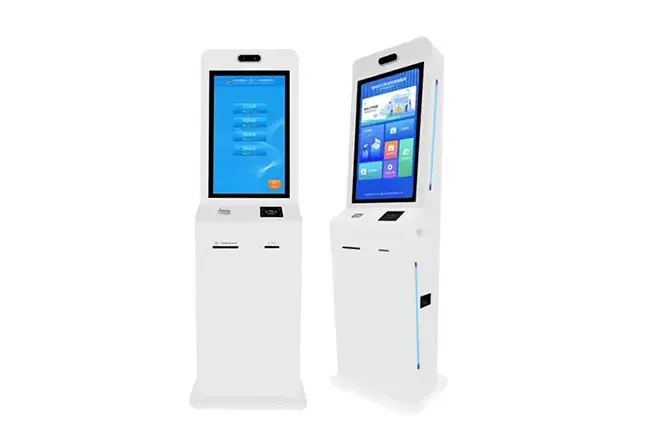
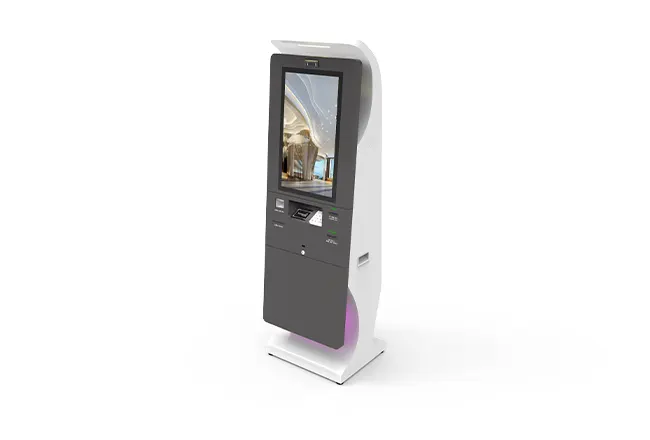
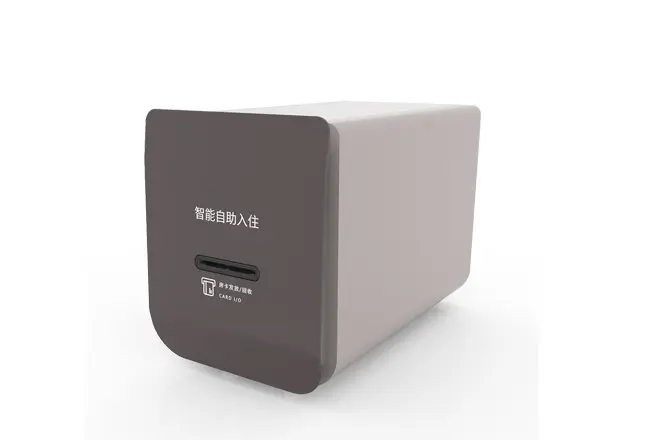
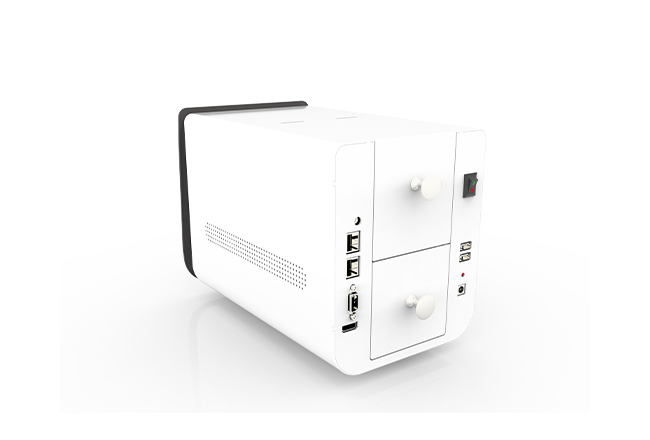
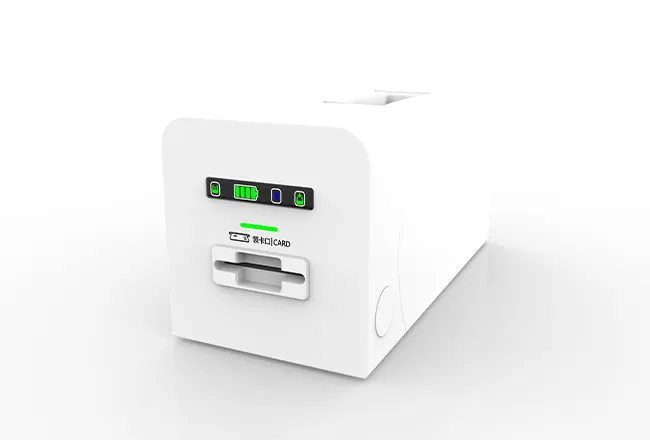
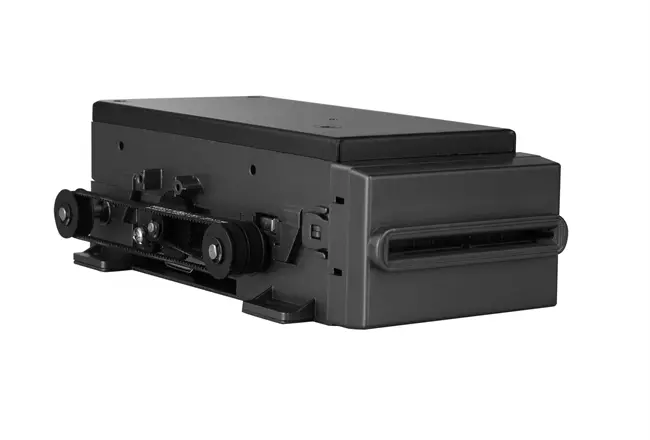
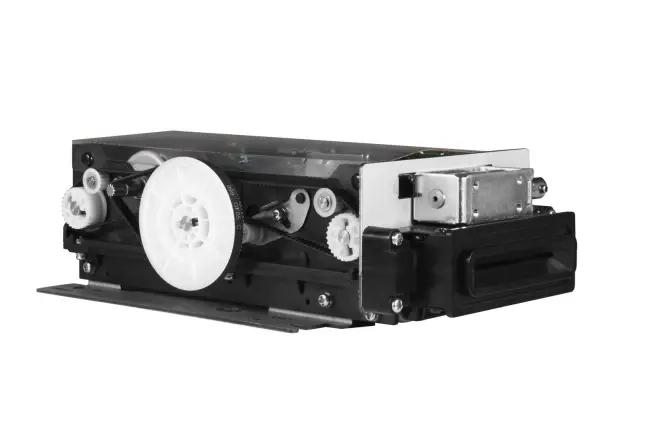
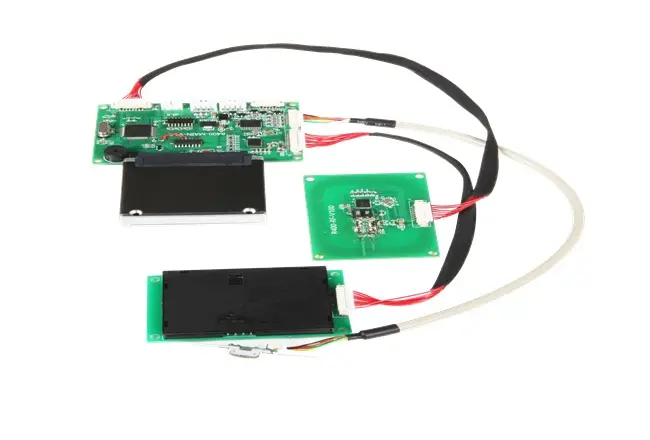
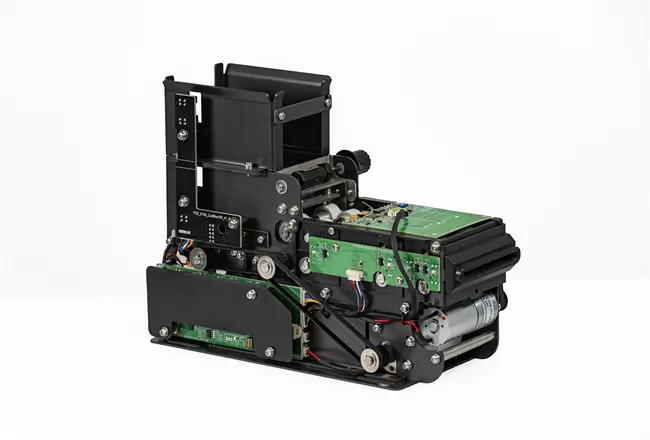
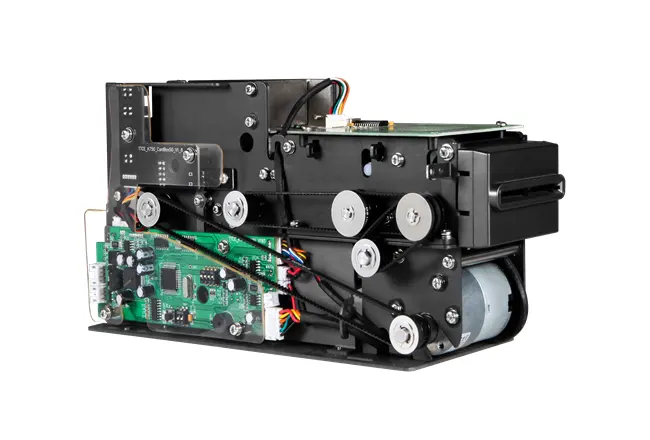
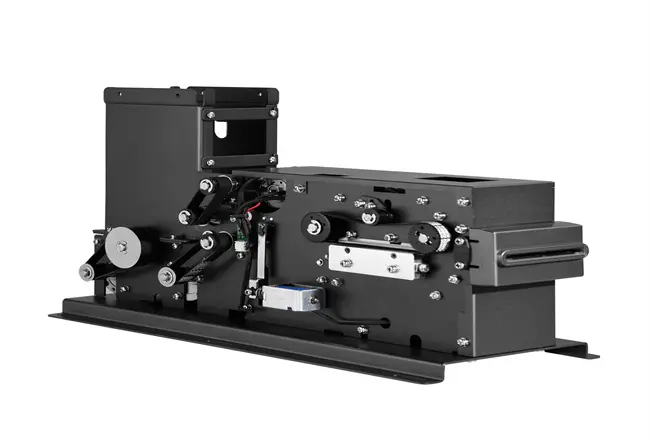
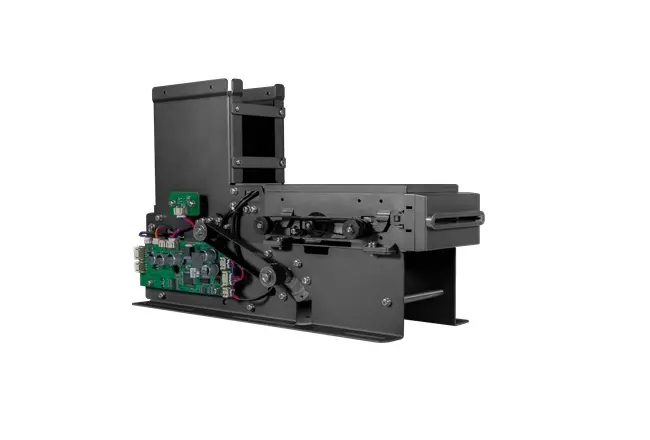
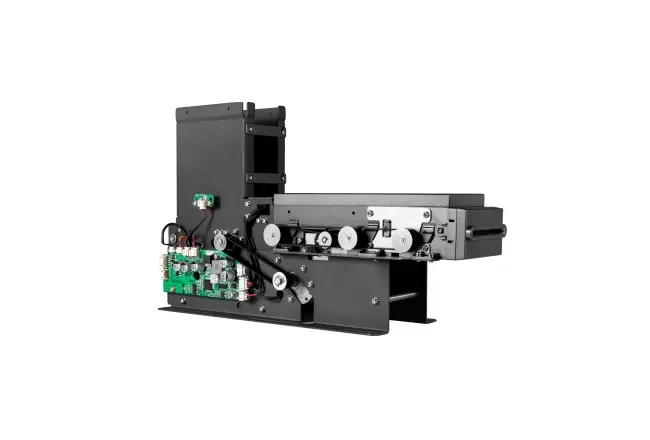
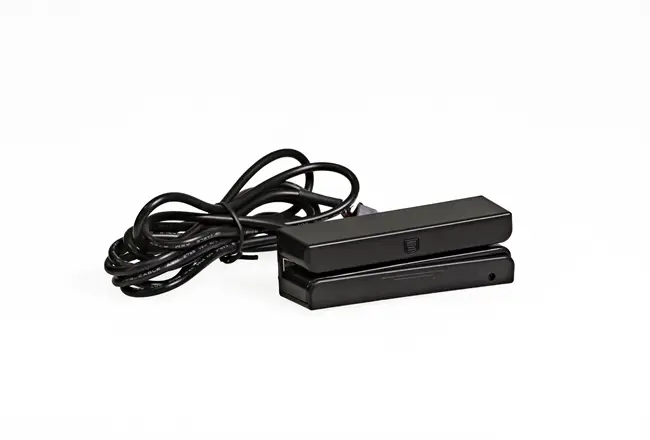
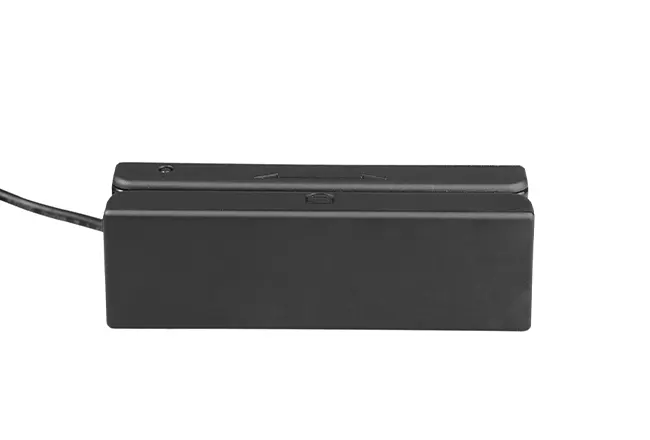
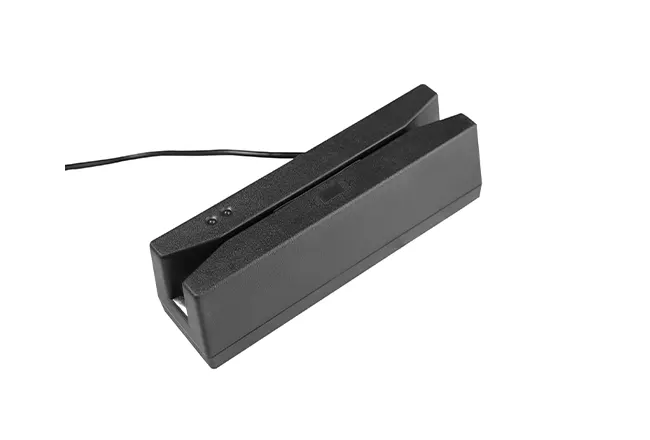
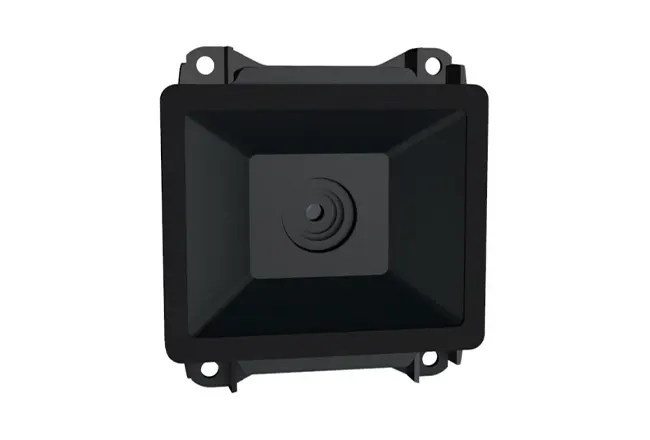
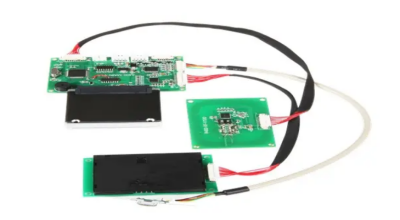
As a manufacturer, TTCE designs for the field - not only for the lab. Our embedded architecture unifies IC/RFID card read/write with optional magnetic-stripe read in one compact module. You can enable IC, magnetic, and RF functions independently or combine them for the workflow you need. Fewer boxes and fewer cables mean fewer single points of failure.
Security is baked in. Data paths are tamper-resistant to protect credentials and reduce fraudulent attempts. Transactions are fast and seamless, trimming tap time and lowering queue stress. USB power speeds install and service, while rugged build reduces surprise repairs - so it runs long duty cycles without babysitting. The design scales: in banking/finance for ATMs, card issuance, and payments; in access control for employee/guest authentication across offices and hotels; in transit for ticketing and fare collection during rush hour; and in retail for membership checks and rewards. Healthcare facilities use it for patient identification and secure access to medical records. One platform; many roles - without trading reliability for flexibility.
From an integration standpoint, we prioritize RFID reader integration best practices. We provide clear interfaces, stable SDKs, and reference implementations for common host environments. Our goal is simple: shorten your path to a consistent, repeatable build that survives OS updates and enclosure changes.
2) Deployment Support and Next Steps
Great hardware still needs a careful rollout. TTCE works with your team on the full chain: enclosure reviews to prevent detuning, power design checks to avoid brownouts, and field-ready configuration templates. We recommend a lean set of monitoring hooks - device presence, read success ratio, retry counts - so you can see issues early and act before lines form.
We also align on a recovery plan that is simple enough to run under pressure. If a reader disconnects, the host app retries and logs the event. If interference rises, staff know how to check placement and cabling. If software changes, the complete tap journey is re-validated, not just the components. This is how fleets of RFID Contactless Card Reader installations remain stable month after month.
✅ A quick checklist to close the loop:
• Stage with the real enclosure, power path, and host OS image.
• Pin versions for firmware and SDK; document the baseline.
• Add health pings and central logging from day one.
• Train staff on a three-step recovery flow.
• Review metrics weekly and fix the top recurring cause.
That rhythm turns firefighting into routine hygiene.
Call to Action - Keep Your Readers Online with TTCE
Planning a rollout or fighting recurring drop-offs? Speak with TTCE. We'll review your enclosure, power design, and software integration, then recommend a concise plan to harden your fleet. Let's design an RFID Contactless Card Reader deployment that runs smoothly, trims support tickets, and gives customers a fast, secure tap - every time. If you need help today, reach out for a brief assessment and a prioritized action list tailored to your sites.
