

What is an RFID Card Reader Writer? 2026 Deployment Guide for SMEs
2026-01-26RFID Card Reader Writer technology is transforming how small and mid-sized businesses issue credentials, move people through doors and gates, and process low-friction payments. For organizations with multiple sites and a patchwork of legacy hardware, consolidating on a unified reader layer replaces device sprawl with a single reliable touchpoint. This guide explains what a modern RFID Card Reader Writer actually does, the standards you should insist on, how to plan a 2026 rollout, the security practices that withstand audits, and how to pick a vendor that fits your day-to-day operations.
What an RFID Card Reader Writer Actually Does
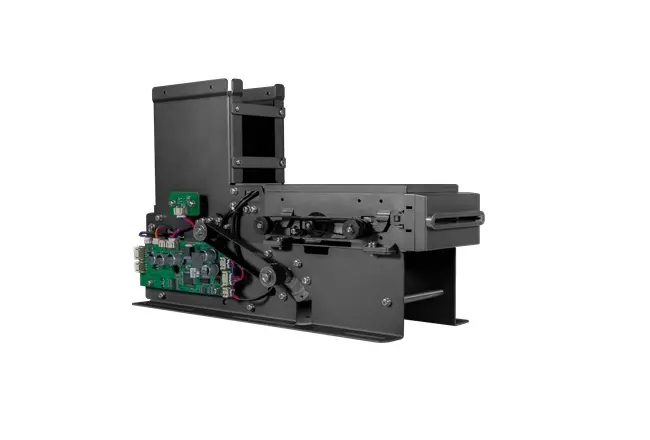
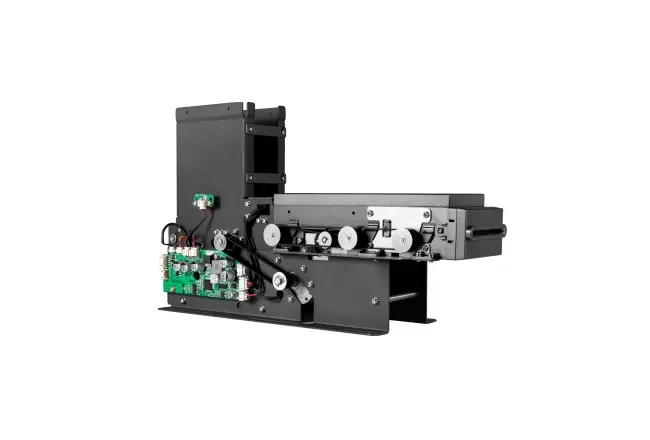
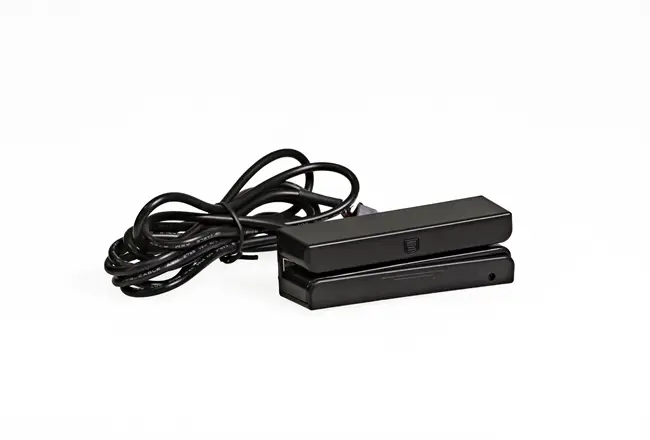
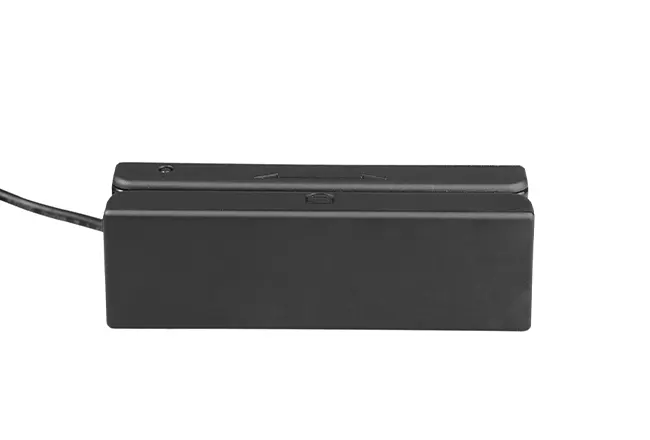
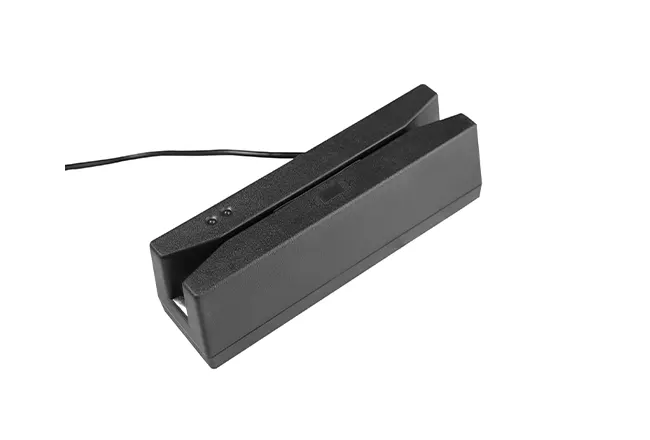
A reader writer bridges physical credentials and your digital systems. It reads secure data from a card or mobile token, validates it against policies, and, when authorized, writes updates back to the credential. Today's units typically combine contact IC support with contactless RFID in one enclosure, and many still include magnetic stripe reading for compatibility with older programs.
Think of it as the credential front door: tap, verify, act, and record. Integrated correctly, an RFID Card Reader Writer trims queues, cuts manual input errors, and produces clean audit trails. The 2026 wave is driven by better interoperability across standards, lower total cost of ownership, and stronger protections inside the firmware and secure elements, making multi-technology devices a practical default for SMEs.
Why 2026 Matters to SMBs
Streamlined launches, enterprise‑grade protection, and spend governance. Dividing functions across magstripe, contact chip, and RFID devices creates cost and operational drag. Built for today's sites - and tomorrow's:
• Consolidate endpoints: One device per station trims clutter and service touchpoints.
• Interoperability (standards-led): Reduce lock-in; make upgrades/migrations simpler.
• Security (at the core): Tamper-resistant electronics; reliable secure key storage.
• Velocity where it matters: Under-a-second taps keep lines moving.
• Operationally durable: Resilient hardware reduces downtime and long-term service costs.
• Standards-centric readers: Add new credentials, cycle keys, and fine-tune policies—no need to replace installed units.
• Compatibility through broad support: Integrate once, deploy everywhere with mainstream card interoperability.
Technology Stack
• ISO/IEC 7816: Contact cards (T=0/T=1) with CPU and PSAM for robust cryptography and controlled issuance processes.
• ISO/IEC 14443 A/B: Ubiquitous contactless standard; MIFARE/DESFire delivers strong authentication and flexible application segmentation.
• NFC: Mobile credential readiness for policy-approved smartphones within your application stack.
✅ Maintain the Swipe Path
ISO 7811/7812 support for uninterrupted magstripe usage. A reader writer that reads/writes Tracks 1/2/3 lets legacy loyalty and payment rails run while you move to contactless — no sudden switchovers.
A Pragmatic 2026 Rollout: Pilot to Production
A methodical plan reduces uncertainty and delivers value faster. Use this path to deploy an RFID Card Reader Writer across branches or sites:
• Define Use Cases: Enumerate where the reader will be used - front desk access, employee badging, POS payments, transit gates, or membership validation. For each case, inventory data read and written, name the verifying system of record, and set log fields, sinks, and retention.
• Select Standards: Require ISO/IEC 7816 (T=0/T=1 and PSAM) for contact chips; ISO/IEC 14443 Type A/B with MIFARE/DESFire for contactless; ISO 7811/7812 if you still run magstripe. Confirm SDK and API support for your programming languages.
• Start A Pilot: Choose one representative site. Integrate the RFID Card Reader Writer with your POS, access control, or ticketing system. Measure first-tap success rate, average read/write latency, and user throughput. Metal and glass can spoil reads - reposition or retune.
• Harden now: Mutual auth, encrypted sessions, RBAC issuance; PSAM for keys. TLS + cert pinning on host–backend links.
• Equip your team: Short SOPs for issuance, lost/stolen, cleaning, troubleshooting; a quick reference saves tickets.
• Controlled expansion: staged deploy with real‑time error, tap, and device monitoring. Standardize drivers (USB, serial), fix firmware baselines, and schedule maintenance windows to limit disruption.
Security, Compliance, and Operational Assurance
Security is a posture, not an add-on. Choose security-first readers: tamper sensing, secure boot chain-of-trust, and signed updates; then enforce operational best practices.
• Strong credential flows: Implement mutual auth, per-card diversified keys, and PSAM-based secure storage for contactless systems in finance, healthcare, education, and transit.
• Network configuration: Network isolation, egress allowlisting, and exhaustive telemetry and admin activity logging to support monitoring and incident response. SIEM centralization cuts detection/response times through correlated insights.
• Firmware integrity (vendor signatures, checksums, allowlisted versions) mitigates supply-chain risk.
• Data minimization lowers privacy obligations and limits breach impact.
• Regulatory mapping ensures coverage across PCI DSS, GDPR, HIPAA, and sector-specific requirements. Standards-driven readers reduce audit friction by providing predictable behavior and fewer custom edge cases.
How to Judge a Vendor Fit
Specs are necessary, but real-world fit wins. Evaluate vendors of RFID Card Reader Writer solutions against criteria that matter in your context:
• Standards Coverage: ISO/IEC 7816 with T=0/T=1 and PSAM; ISO/IEC 14443 A/B with MIFARE/DESFire; and ISO 7811/7812 for magstripe.
• Integration that accelerates: API-first platform with stellar docs, ready-to-run samples, and deep debug hooks for rapid APDU/RF onboarding and effortless triage.
• Secure by design: Hardware-rooted startup, signature-enforced firmware, tamper event reporting, and a clear disclosure policy.
• Designed for consistency: Antennas optimized and proven, stable under heavy use, ESD protection integrated, and dependable MTBF stats. Ask for pilot data or reference deployments.
• Operability: Remote configuration, firmware management, and streamlined field-replacement procedures. Standard connectors and USB power reduce installation time.
• Total Cost Of Ownership: Device cost, warranties, spares strategy, authorized service partners, certifications, and references in environments comparable to yours.
Meet TTCE: One RFID Card Reader Writer for Real-World Work
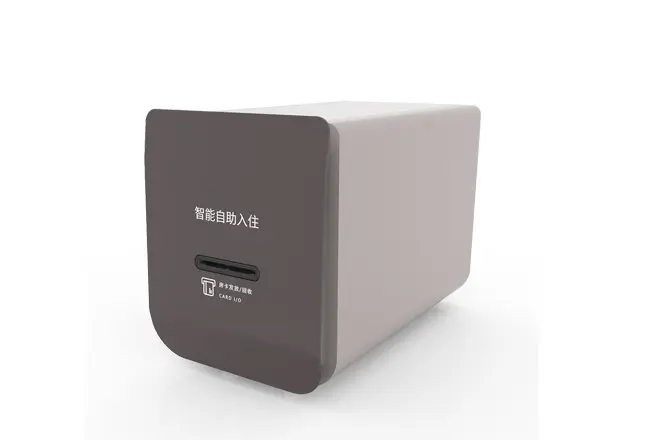
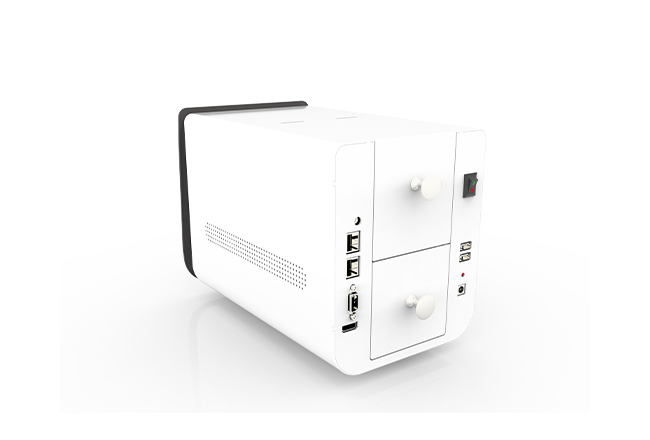
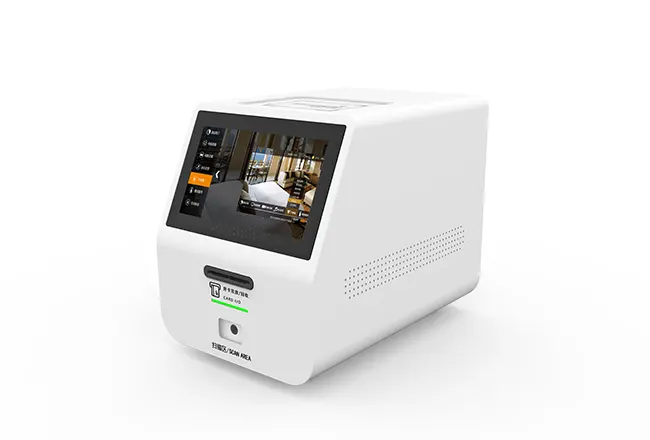
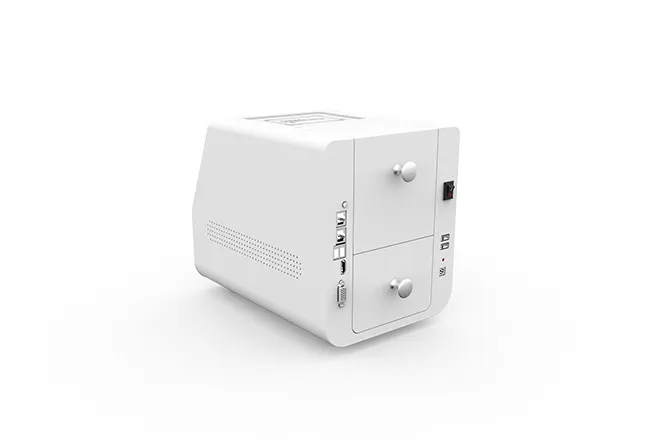
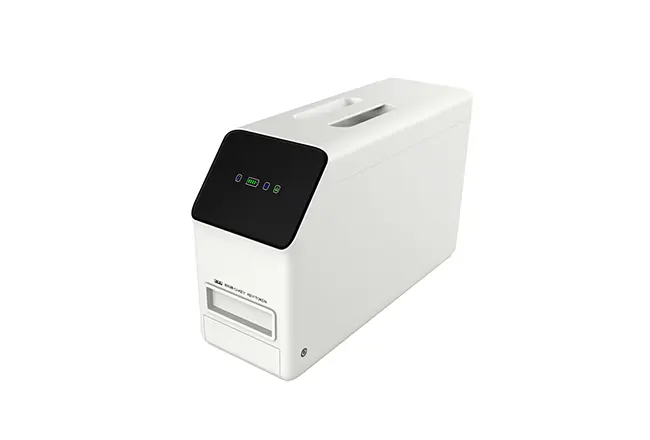
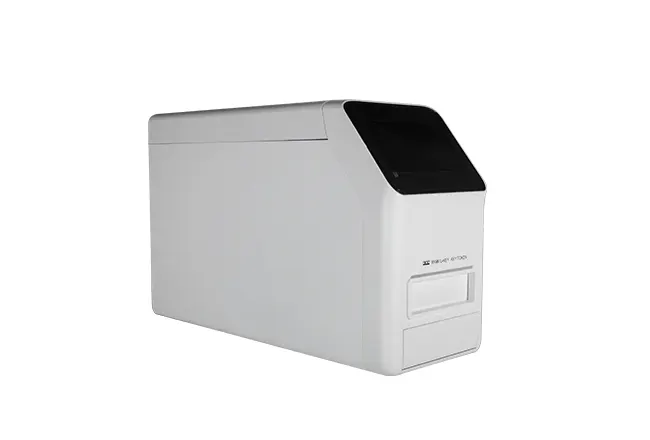
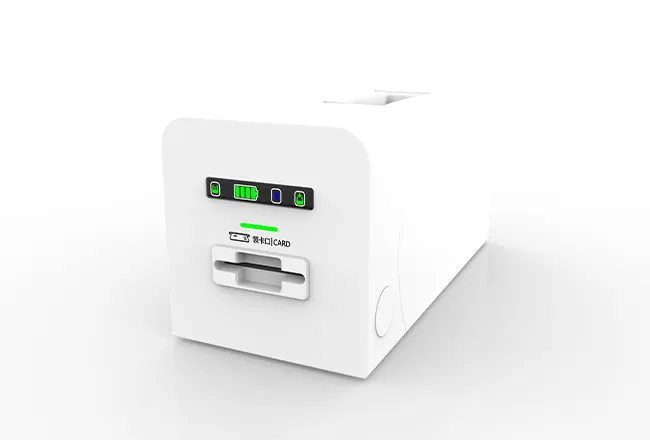
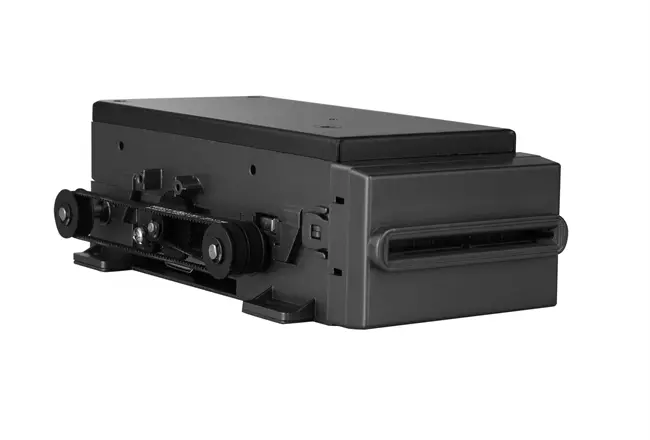
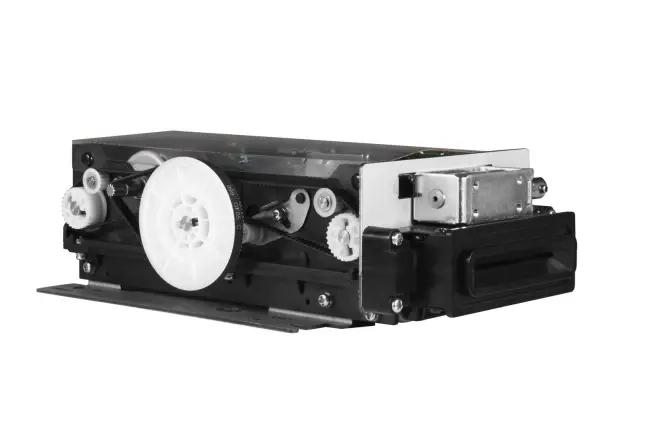
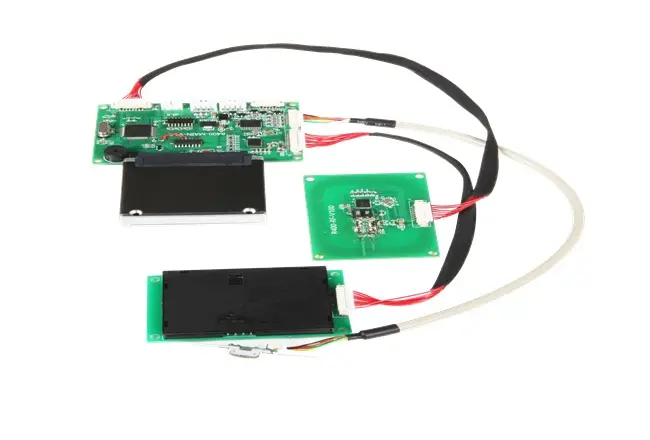
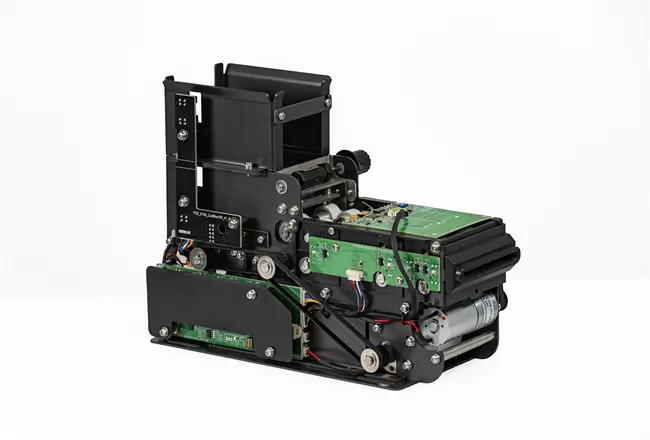
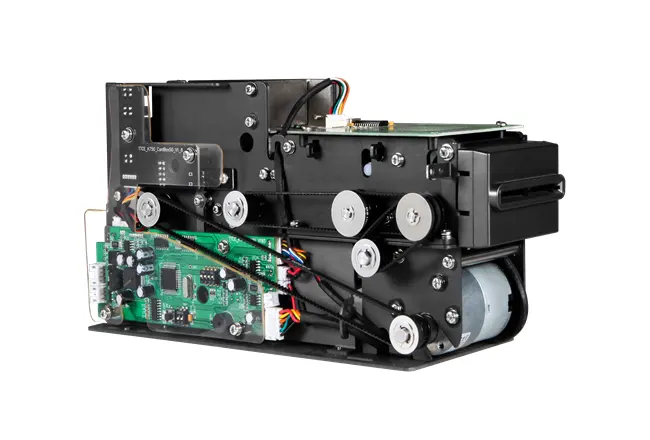
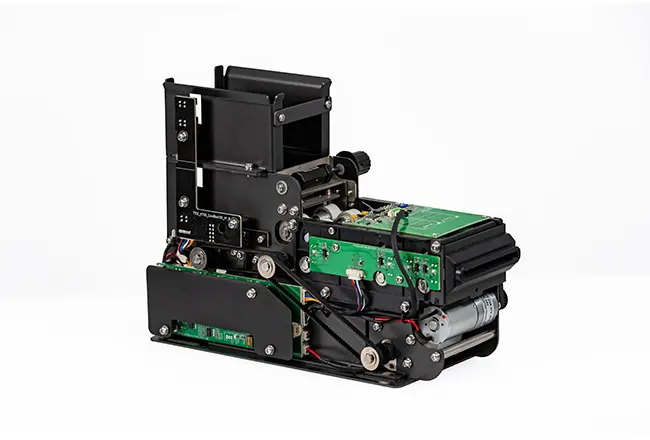
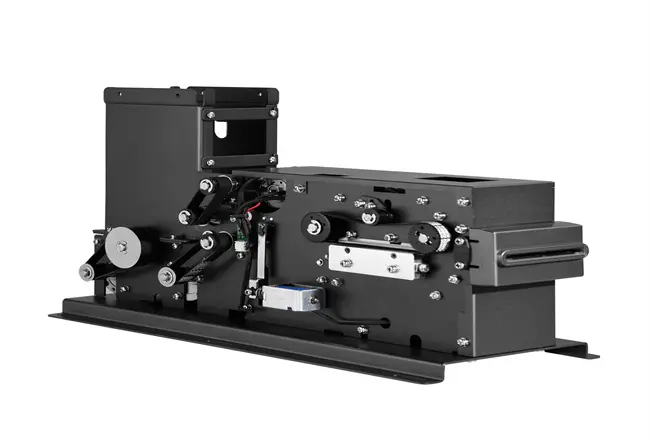
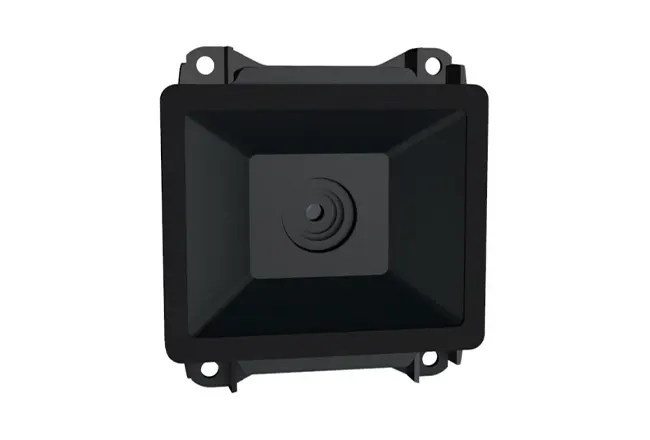
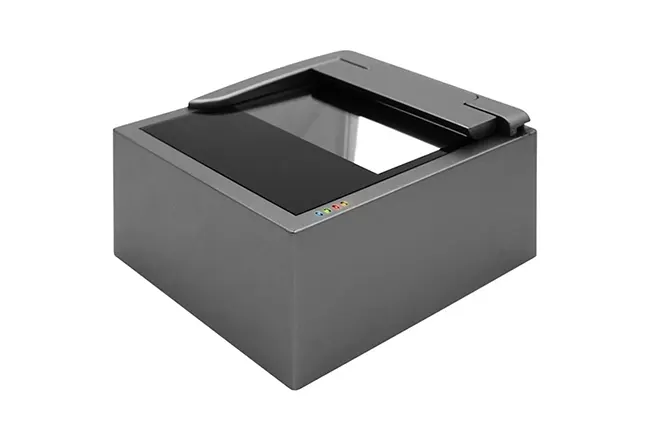
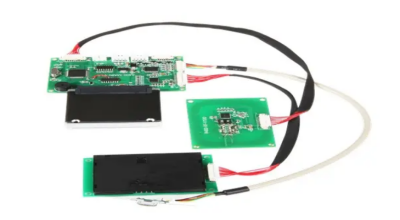
TTCE builds embedded RFID Card Reader Writer modules designed for busy SME sites. A small, USB-powered device combines contact IC, contactless RFID, and optional magstripe, making per-location enablement straightforward with optional modes in reserve.
What sets it apart in use:
• Compatibility first: ISO/IEC 7816 (T=0/T=1) for CPU/PSAM plus ISO/IEC 14443 Type A/B with MIFARE/DESFire—no need to refactor your stack.
• Security essentials: tamper resistance, key protection, signed firmware assurance.
• Performance gains: responsive tap handling and fast loyalty read/write cycles.
• Avoid downtime with mission-ready hardware for healthcare, hospitality, offices, and transit
For SMEs, one RFID Card Reader Writer spans present and future—access, checkout, ticketing, membership. USB power and clean SDKs accelerate integration. Standards-first design keeps scaling dependable.
Call to Action
Modernize with confidence. Talk to TTCE about a standards-based RFID Card Reader Writer. Request a consultation and pilot aligned to your 2026 roadmap, establish security and interoperability from day one, and roll out with confidence across every site you operate.
