

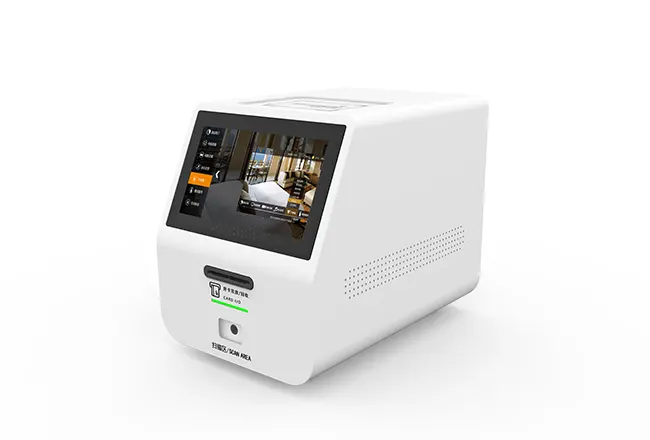
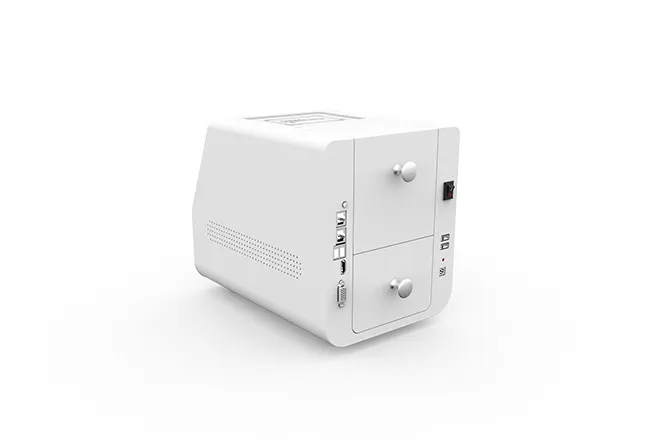
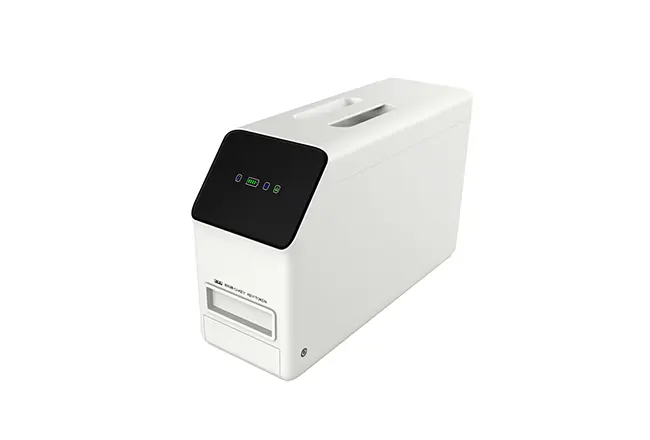
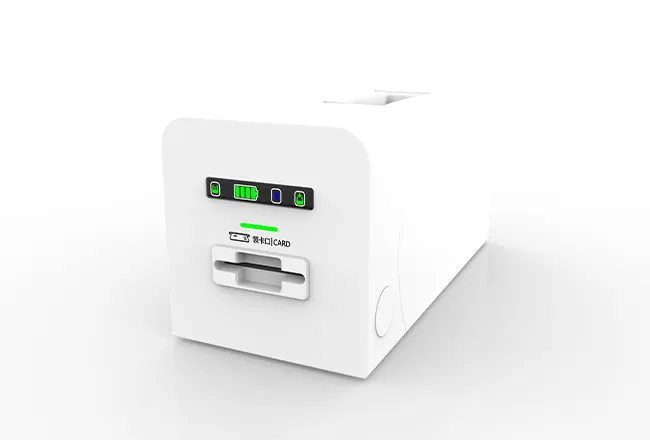
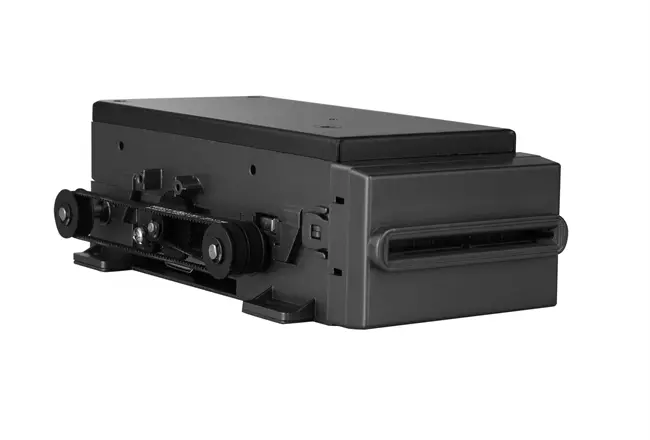
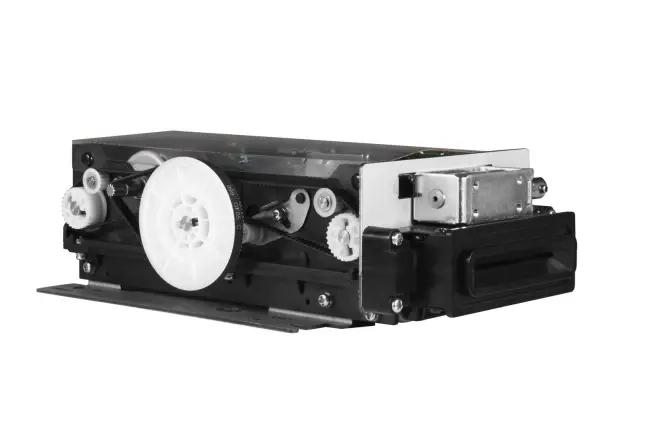
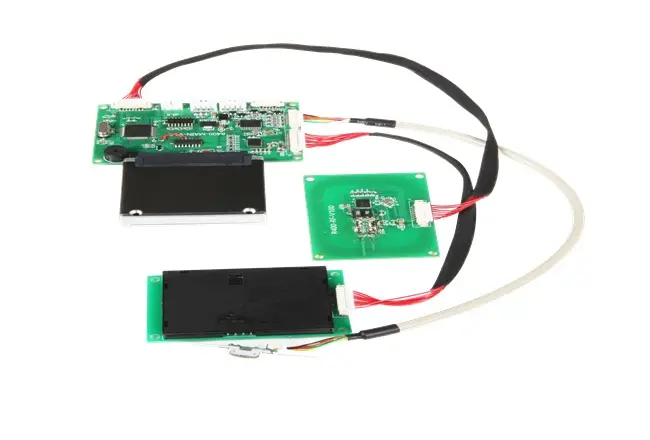
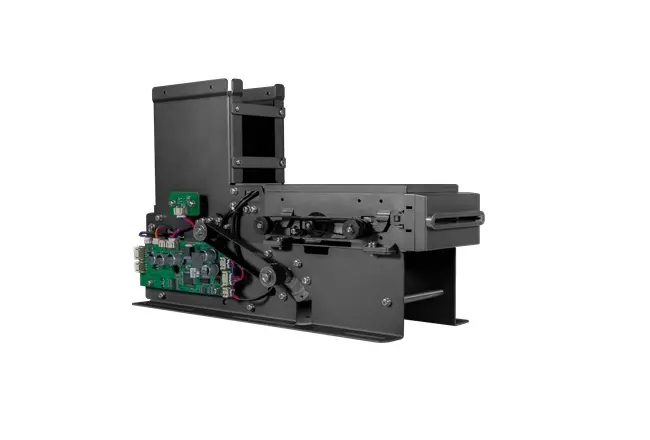
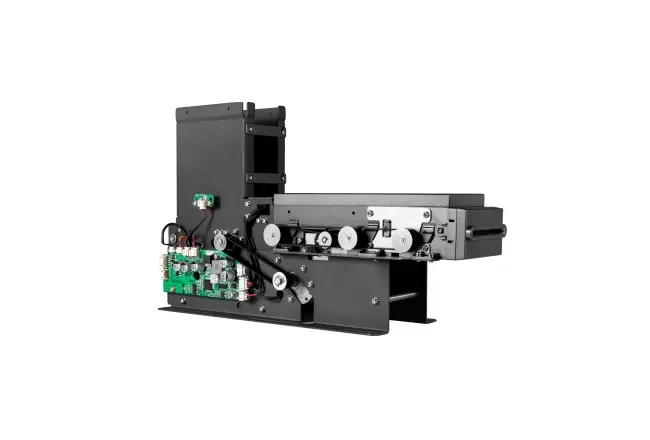
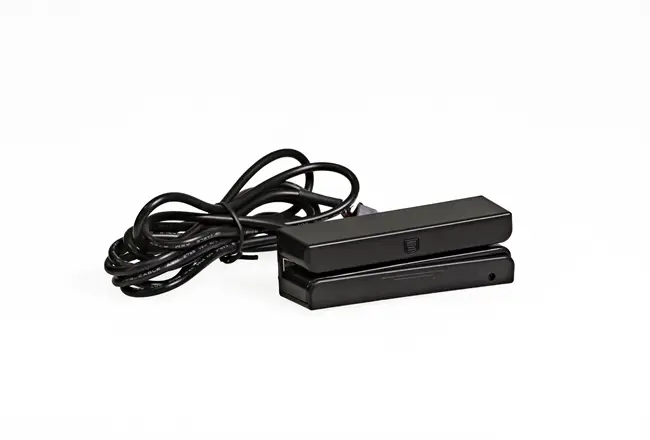
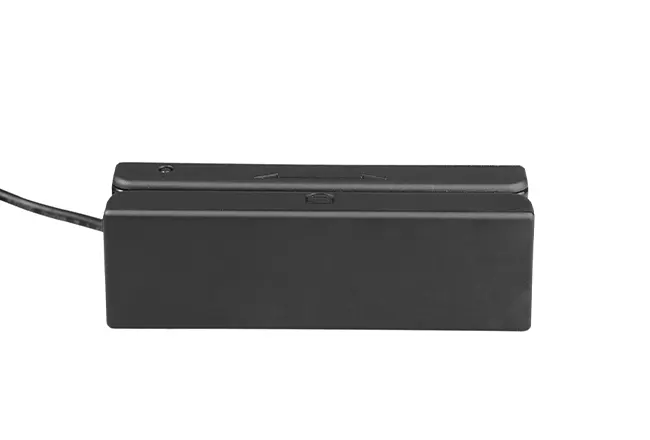
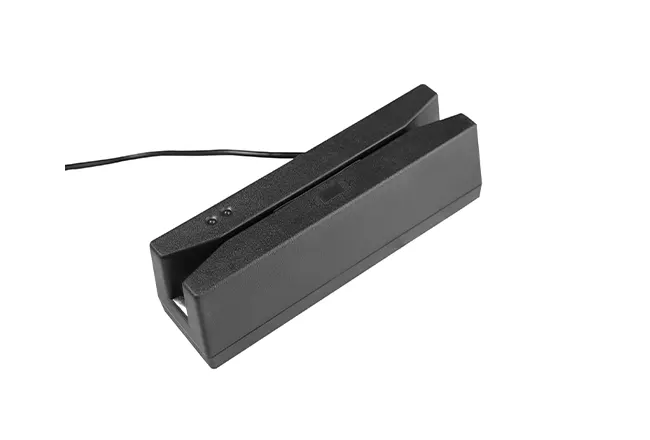
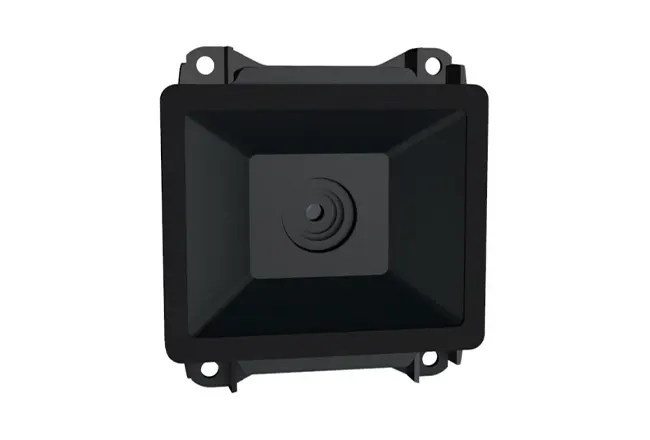
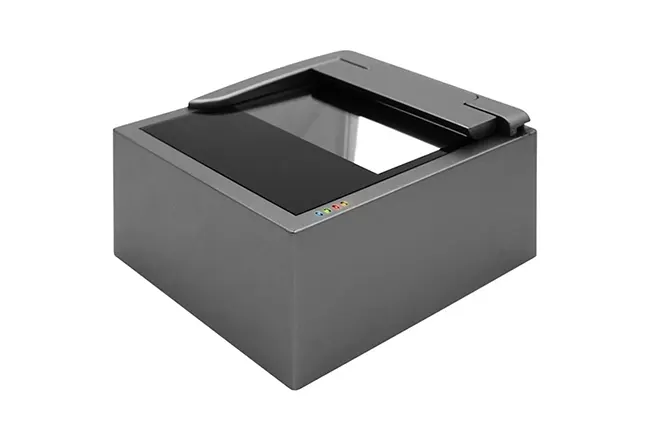
Compact Magnetic Swipe Card Reader Writer for Modern Kiosks
2025-12-30For many users, the Magnetic Swipe Card Reader Writer is almost invisible, yet it remains behind countless daily transactions. Newer options like contactless cards, QR payments, and mobile wallets get the buzz, but the magnetic stripe still carries real workloads in ATMs, POS terminals, ticketing systems, and secure doors.For TTCE as a specialist manufacturer, the real question is not just whether a device can "read the stripe," but whether a compact, reliable Magnetic Swipe Card Reader Writer can live inside a terminal for years and perform so smoothly that nobody ever thinks about it.
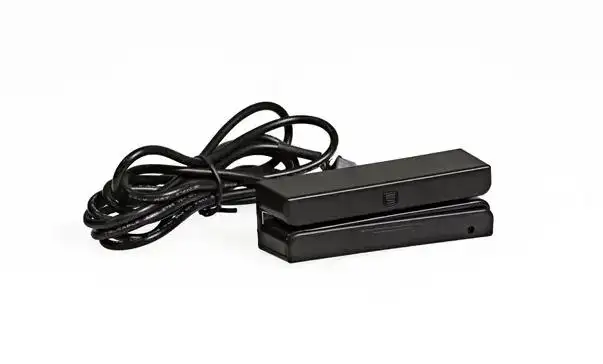
Why Magnetic Swipe Card Reader Writer Technology Still Matters
In most systems, the magnetic stripe is not the headline feature. It is the mature, trusted workhorse that only becomes visible when something fails. What keeps it relevant is not hype, but fundamentals - global standardisation, dependable card availability, and decades of reliable operation in different countries.A current-generation Magnetic Swipe Card Reader Writer is built directly on these fundamentals. It takes an established technology and turns it into a robust embedded module that OEMs can design around for the long term. Project teams do not have to introduce a new card format; they can leverage magnetic stripe cards that are already integrated into banking, bureau, and access control workflows.
At the basic level, every reader has to capture the data encoded in the magnetic stripe. A reader-writer adds the ability to personalize or update that data - for example, when issuing loyalty cards, access badges, or stored-value cards directly at the terminal.Whatever the use case, operators usually expect:
•Smooth, low-friction card swiping
•Compliance with ISO magnetic stripe standards
•Short transaction times and very few misreads
•Simple integration without complex driver development
TTCE designs each Magnetic Swipe Card Reader Writer with these expectations as a single system, balancing mechanical layout, signal quality, and interface options so the module can disappear into the background and simply work.
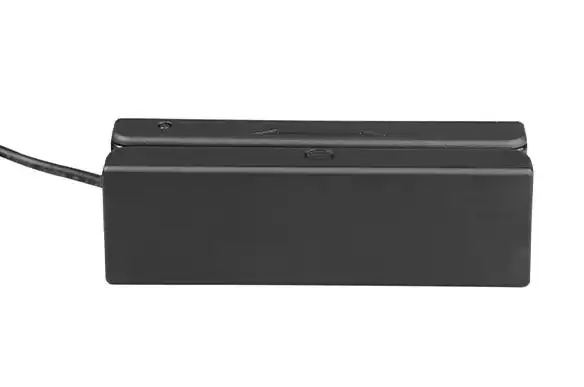
Inside the Magnetic Swipe Card Reader Writer Module
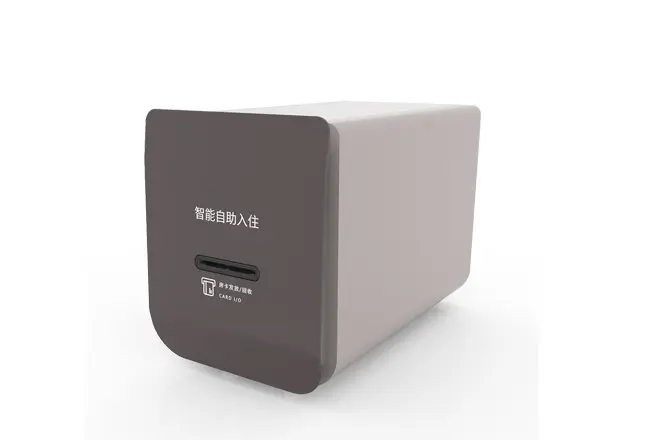
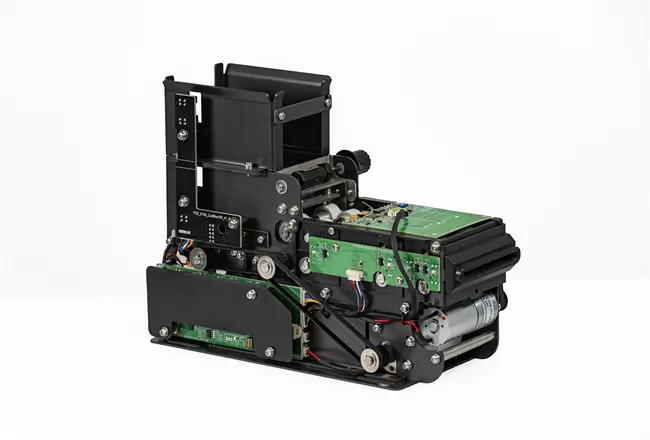
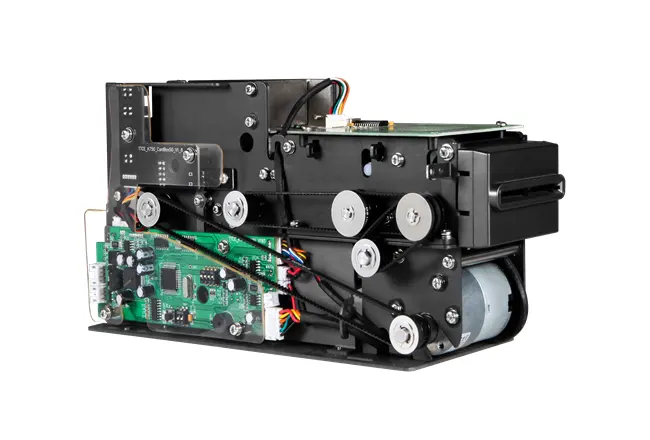
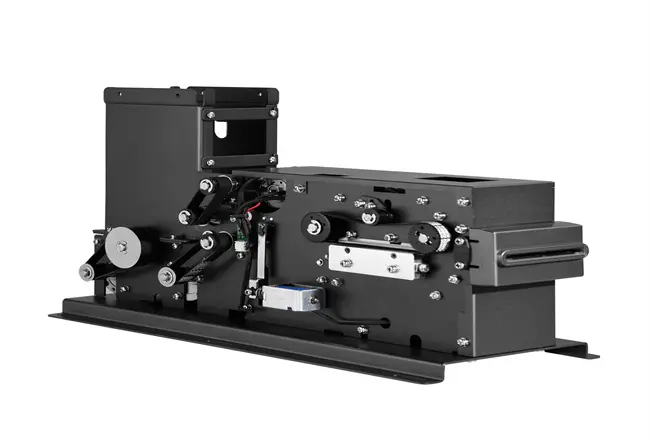
At its core, a Magnetic Swipe Card Reader Writer is a space-saving embedded device that engages directly with the magnetic stripe on each card. As the card passes through the slot, one or more magnetic heads sense tiny changes in the magnetic field created by the encoded stripe.These changes are turned into analog signals, shaped into clean electrical waveforms, and then decoded into digital data before being handed over to the host controller.
Professional-grade modules typically:
•Support up to three tracks, so identification data, account details, and control information can share a single card in a structured way.
•Use ISO-style magnetic encoding to ensure that cards from banks, access systems, and independent card bureaus are treated consistently by the reader.
•Provide already-decoded digital output, which removes the need for the main CPU to handle low-level signal processing.
In read-only models, the entire design is optimized around accurate, error-resistant data capture. Reader-writer versions include additional write heads and control modules, making it possible to encode virgin cards or revise individual tracks on demand. This functionality often turns the Magnetic Swipe Card Reader Writer into the key component of on-site card production and re-issuance.
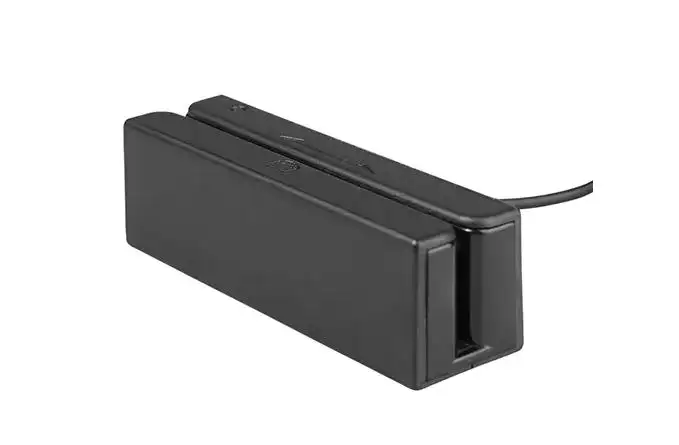
TTCE's Approach to Magnetic Module Design
For TTCE, a Magnetic Swipe Card Reader Writer is not just a sensor on a small PCB. It is a miniature industrial component that must survive real environments: hurried users, worn cards, dust at building entrances, and continuous daily use inside compact housings.This view shapes every design decision.
• Compact mechanics for tight spaces
Modern kiosks, POS terminals, and controllers leave very little room behind the front panel. TTCE focuses on slim mechanical footprints, simple mounting schemes, and layouts that let designers drop a Magnetic Swipe Card Reader Writer into narrow bezels or crowded electronics bays without redesigning the entire cabinet.
• A carefully managed card path
The card path is engineered so that the stripe crosses the head with predictable pressure and alignment. By tuning friction, guide geometry, and contact surfaces, TTCE helps minimize misreads caused by shaky hands, extreme swipe speeds, or incomplete contact between the card and the head.For the user, this simply looks like fewer "please swipe again" prompts.
• Durability for high-traffic locations
In bank branches, supermarket checkouts, parking kiosks, or transit stations, a single reader might handle thousands of swipes every day. TTCE emphasizes abrasion-resistant slot materials, secure head mounting, and rigid structures that do not drift or loosen under long-term load. A Magnetic Swipe Card Reader Writer installed today should still be performing consistently many years later.
• Signal integrity and electrical resilience
Good mechanics are not enough on their own.Stable decoding depends on clean electrical signals. TTCE pays close attention to analog front-end design, PCB layout, shielding, and component selection. The goal is to keep the signal-to-noise ratio high, even when the reader is mounted next to motors, power supplies, or other noisy electronics inside a terminal.
Everyday Behavior That Operators Actually Notice
Once the fundamentals are correct, the daily behavior of a Magnetic Swipe Card Reader Writer determines whether a terminal feels solid or fragile to the user.
Key characteristics include:
•Tolerance to varied swipe speeds - People swipe differently. Some move slowly and carefully; others swipe fast and casually.
•Engineered for real-world swipes - Instead of insisting on a narrow "ideal" swipe, the module is tuned to decode accurately across the way people actually move cards through the slot.
•Efficient multi-track handling - All required tracks are read in one motion, so payment, identification, and system-control data are captured together, reducing errors and user inconvenience.Clean digital output for higher-level logic - With the reader sending properly formatted data directly to the host, application developers can concentrate on rules and workflows rather than on decoding magnetic signals.
• Ready for scratched and bent cards - Real-world circulation leaves cards with surface damage and minor deformation. The reader's mechanical layout and signal conditioning are engineered to compensate for those defects and keep successful read rates consistently high.
For reader-writer models, accurate write timing, precise head control, and reliable verification are just as important. A Magnetic Swipe Card Reader Writer used for local card issuance must encode correctly on day one and repeat that performance thousands of times under changing conditions.5. Integration Options for OEMs and System Builders
For OEMs and system integrators, the best device is usually the one that integrates without surprises. That is why TTCE invests in flexible interfaces for its Magnetic Swipe Card Reader Writer portfolio.
Common integration modes include:
•Keyboard-emulation (wedge) mode
In PC-based and POS-style systems, the reader can present itself as a keyboard. With keyboard-emulation, the reader feeds card data directly into the active field, just as a user would through a keyboard. This often avoids the need for dedicated drivers and lets software teams keep their existing user interfaces and workflows.Serial communication (RS-232 and similar)
•Serial communication (RS-232 and similar)
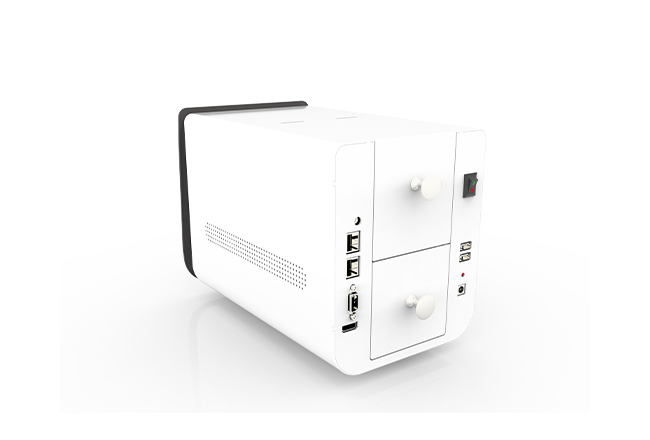
Serial links continue to be a mainstay in ATMs, ticket machines, industrial automation, and door controllers. By combining stable performance with simple wiring and easy-to-implement communication protocols, they remain a trusted choice in many hardware designs.Flexible cable and connector integration
•Flexible cabling and connector configurations
Varied cabinet sizes and mounting orientations often demand different cable runs, connector styles, and strain relief strategies to ensure a tidy, long-lasting installation. TTCE can adapt cable harnesses so that the Magnetic Swipe Card Reader Writer fits naturally into the physical design, reducing on-site modifications, assembly time, and wiring errors.
As a result, one core reader design can be reused across POS systems, ticketing kiosks, hotel counters, membership entry points, and library terminals, ensuring a unified internal hardware layout.
- Lifecycle Value: Reliability and Maintainability
What really matters for a Magnetic Swipe Card Reader Writer is how it performs over years of daily service, not only what it costs on day one. A unit that often needs cleaning, re-calibration, or early replacement soon becomes a liability.
For TTCE, long-term reliability is built into the product roadmap from the start. Sustained performance is achieved by focusing on:
•Rigid mechanical designs that preserve reader alignment over extended service life
•Durable, low-contamination materials that stand up to dust, sliding contact, and physical stress
•Carefully chosen electronics that remain stable in unattended and semi-attended environments
Maintainers are also kept in mind.When it is time to clean or inspect the Magnetic Swipe Card Reader Writer, direct access and simple routines help reduce service time, limit disruption, and keep terminals running at peak throughput.
Deployment Scenarios for Magnetic Swipe Card Reader Writer Technology
Since magnetic stripe cards are still widely issued, a single modular Magnetic Swipe Card Reader Writer design can be used across many environments, including:
•Banking and financial services - ATMs, teller lines, and payment stations that work with bank cards, customer identification cards, and internal service cards.
•Retail and hospitality - POS systems that process payment cards, loyalty and gift cards, as well as hotel front-desk terminals that encode guest cards and staff badges.Access control and security - Office towers, campus buildings, production areas, and restricted rooms where magnetic ID card readers manage who can enter.
•Public transportation and ticketing - Railway, metro, and bus systems where gates and validators accept magnetic tickets and stored-value fare media.
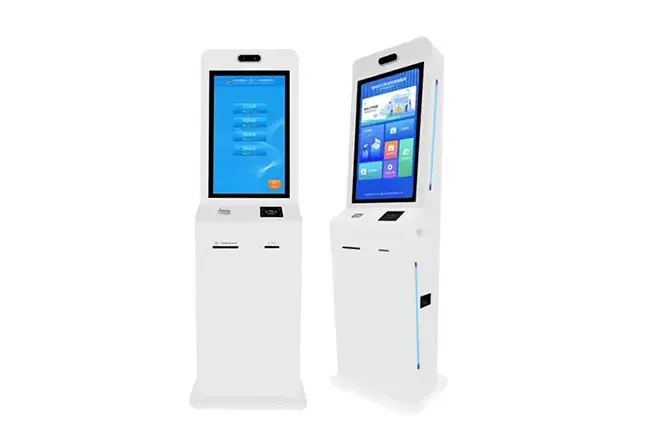
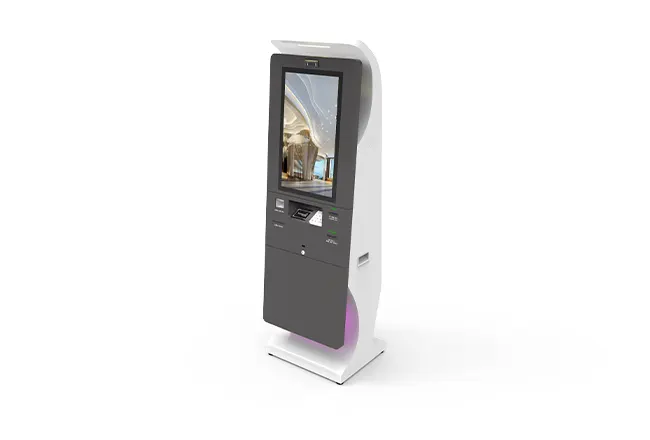
•Self-service kiosks - Parking and payment machines, library terminals, membership kiosks, and other unattended stations that need quick, reliable card identification.
Across all of these environments, TTCE aims for the same result: users swipe once, the Magnetic Swipe Card Reader Writer captures the data correctly, and the transaction continues without fuss.
Why OEMs Choose TTCE as a Partner
Selecting a hardware supplier is about more than just comparing specification sheets. System builders want partners who reduce project risk and stand behind their products for many years.
TTCE positions itself as such a partner by offering:
- Experience across the full card-handling chain, from dispensers and encoders to Magnetic Swipe Card Reader Writer modules and access components
- Modular, OEM-friendly designs that can be reused across several product families
- Practical customization of brackets, cabling, and interfaces where this simplifies installation and maintenance
- A long-term supply and support mindset that backs rollouts, upgrades, and replacement cycles over the entire equipment life
For engineering teams, this combination can shorten development schedules, cut integration surprises, and help keep total system costs under control.9. Final Words
Magnetic stripe cards may no longer dominate industry headlines, but they still carry a huge volume of everyday transactions. A well-engineered Magnetic Swipe Card Reader Writer is the quiet link between these proven card technologies and today's connected, software-driven terminals.
By focusing on compact mechanics, reliable card handling, strong signal processing, and flexible integration, TTCE helps OEMs and integrators build equipment that feels simple and trustworthy to end users, yet meets tough operational demands behind the scenes. Whether the application is banking, retail, access control, transportation, or self-service kiosks, TTCE's magnetic reader solutions are designed to keep cards moving, terminals available, and transactions flowing smoothly for many years.
