

Blog Related
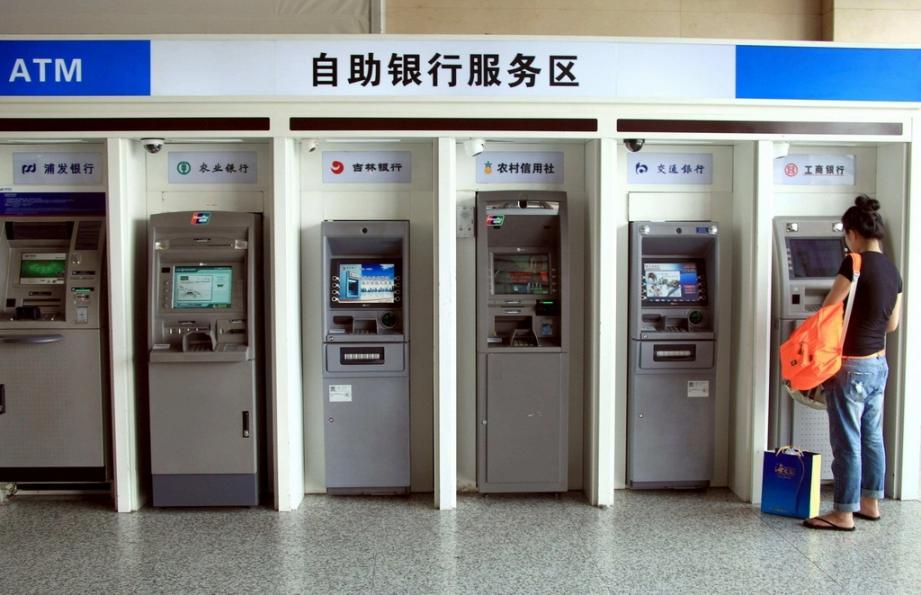
How Magnetic Stripe Readers Improve Retail Checkout Speed
2025-11-18The quiet part of checkout that makes the line fly.
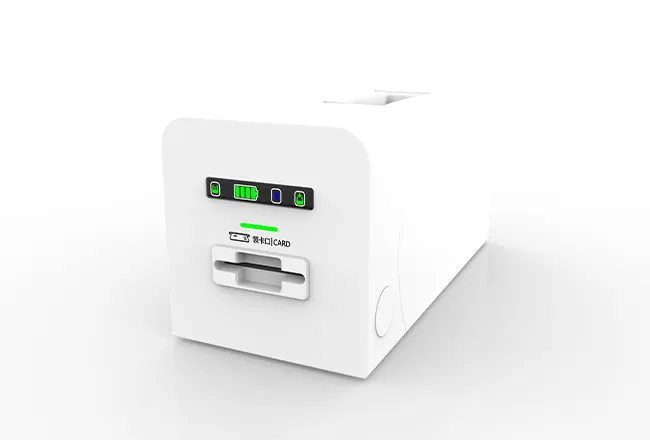
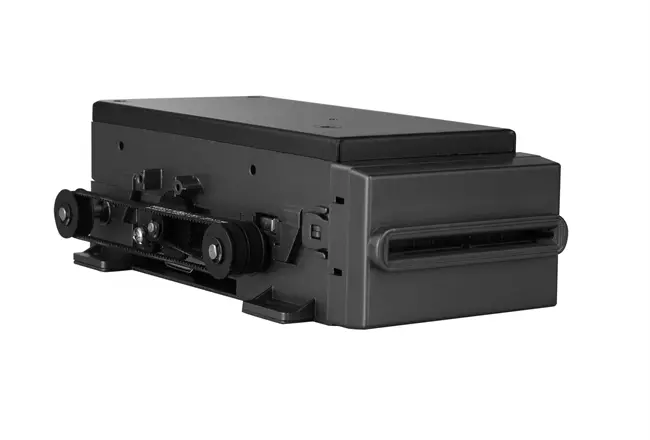
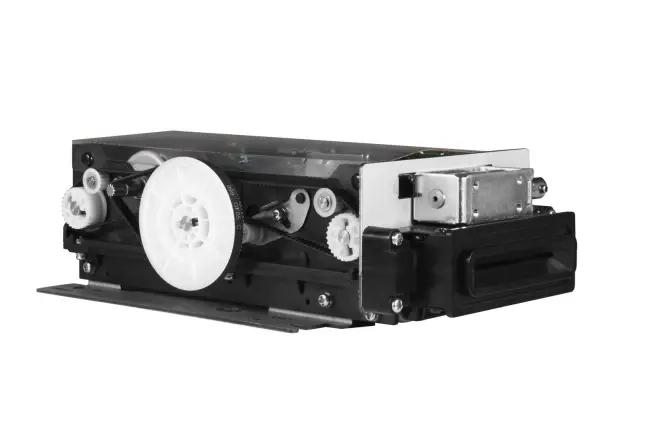
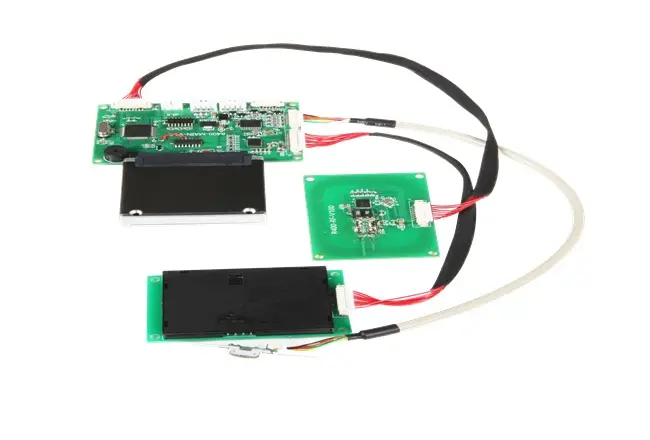
TTCE treats the Magnetic Stripe Reader like frontline gear, not a nice-to-have. When lines grow, small inefficiencies multiply. Our job as a manufacturer is to remove friction at the point of swipe so every cashier, kiosk, and self-checkout can move people through confidently, one smooth card pass at a time.
Why The Right Magnetic Stripe Reader Changes The Pace?
Every extra swipe steals momentum. A card fails, the POS re-prompts, the customer hesitates, and the queue slows. In busy stores, that delay is the difference between a decisive purchase and a second thought. From TTCE's perspective, three problems cause most slowdowns: drag along the swipe path, signal noise during decoding, and clumsy integration with the POS stack.
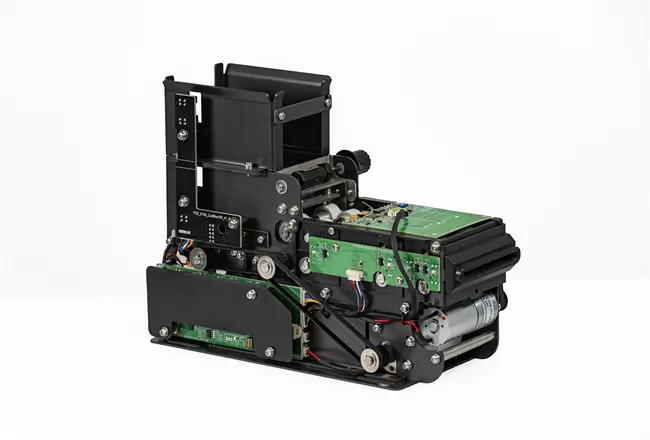
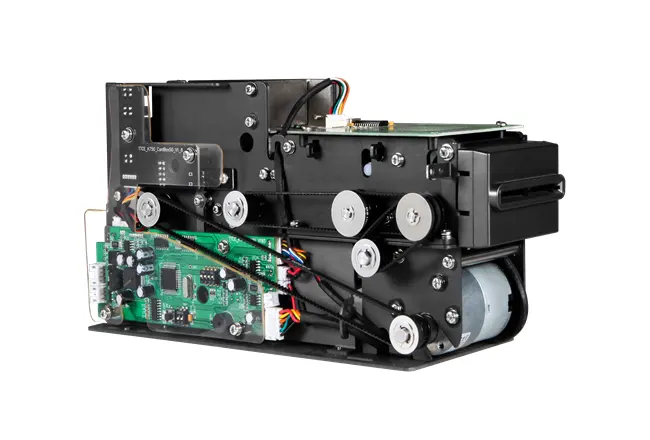
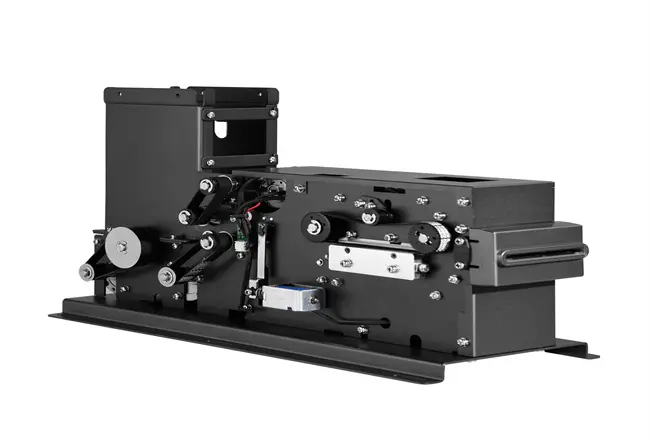
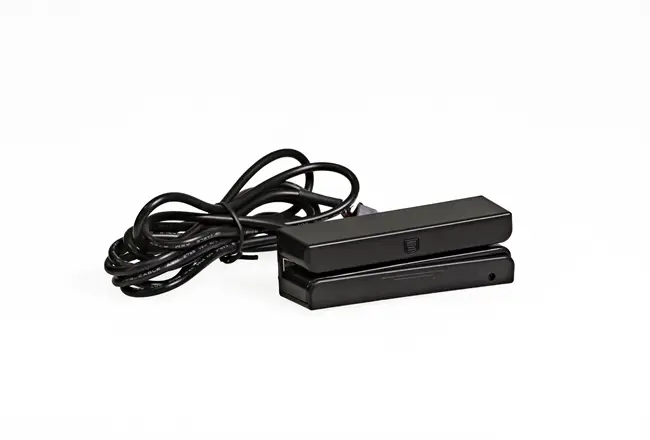
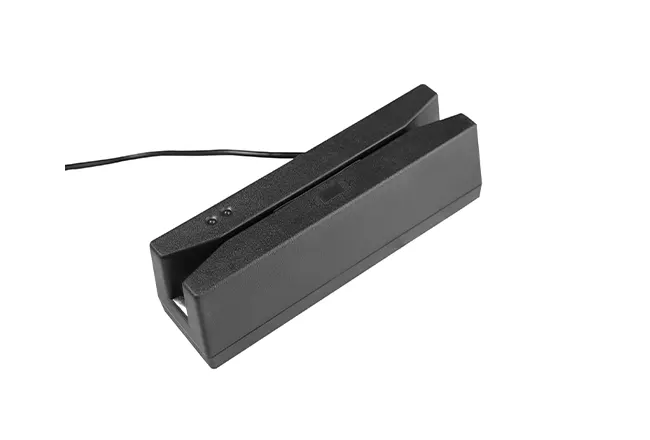
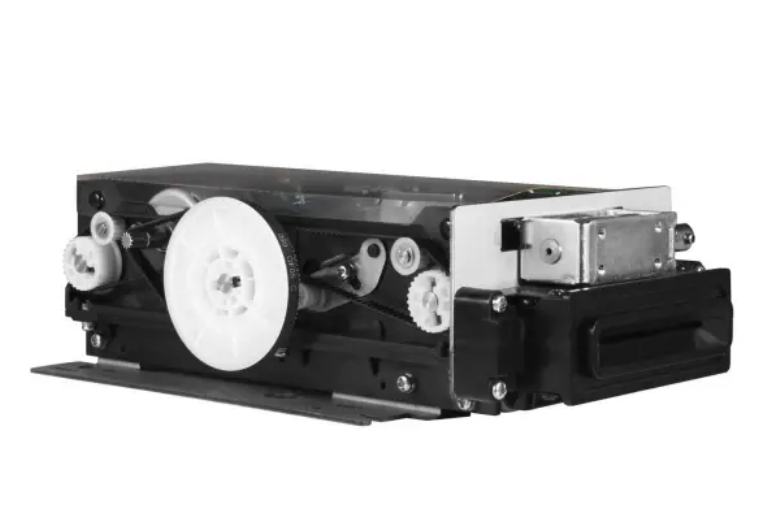
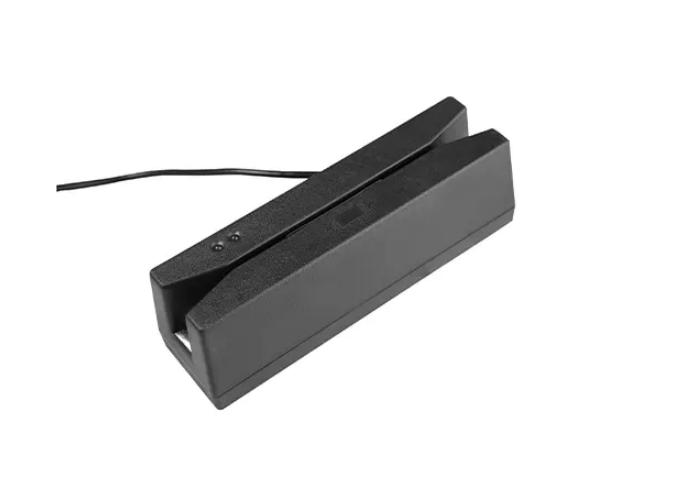
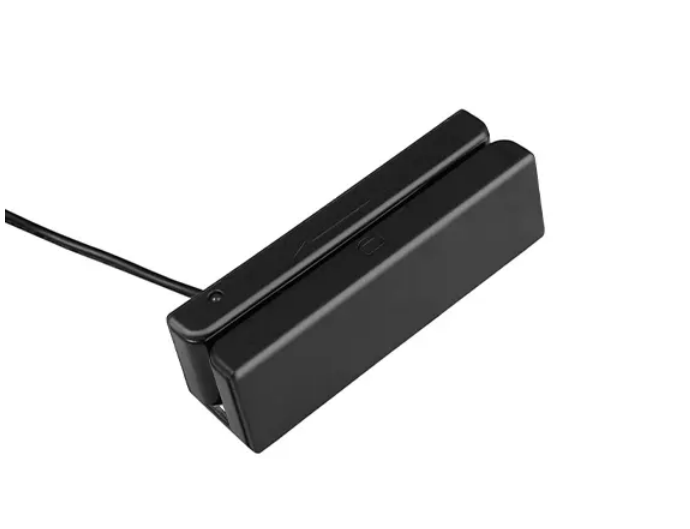
We engineered our Magnetic Stripe Reader to neutralize those pain points. The compact form factor keeps the card aligned, so the swipe feels natural rather than forced. Three-track reading - Tracks 1, 2, and 3 in a single pass - cuts rescans and avoids manual entry. Decoded output means the POS receives clean, ready-to-use data without extra parsing. Because the reader aligns with core card standards (ISO 7811/7812), it slots into retail systems without custom formatting tricks that can fail during peak hours.
Durability also underpins speed. A magnetic head rated up to 800,000 cycles keeps read quality stable through seasons of heavy traffic. Readers that degrade slowly create invisible costs: more retries, more overrides, and more staff time spent soothing unhappy customers. By extending service life, TTCE helps preserve first-pass success and a predictable rhythm at the lane.
✅ The Hidden Cost Of Retry Culture
"Just try again" sounds harmless, but each failed swipe can add several seconds - sometimes much more if staff must rekey data. Multiply that across daily transactions and the store loses selling minutes that never return. A precise Magnetic Stripe Reader eliminates many of these exceptions, so teams can focus on service instead of error codes and reattempts.
How TTCE Turns Design Choices Into Faster Lanes
Speed is the output of dozens of small design decisions. We build hardware that feels right in the hand, emits clean data, and integrates without drama - because all three matter when the store is full and the line is watching.
Hardware That Feels Effortless
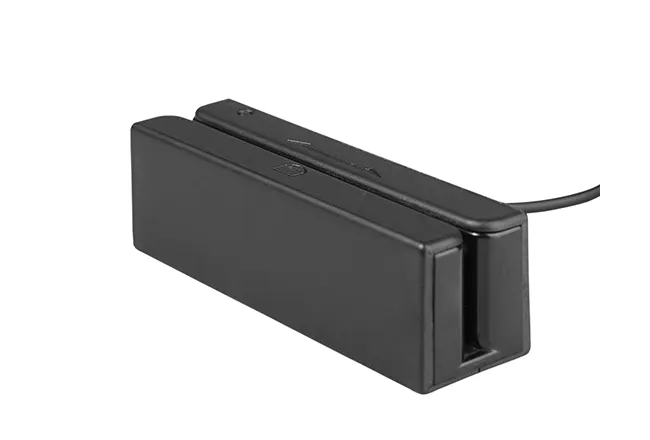
A fast checkout begins with a swipe that glides. Our low-friction path guides the card straight through, limiting wobble and partial reads. The compact chassis helps installers place the reader where it works best - close to the cashier, angled for visibility, and sheltered from counter vibration. Those details reduce mis-swipes and speed up the natural motion that cashiers perform hundreds of times a day.
Standards And Clean Decoding
Standards are a speed feature. A Magnetic Stripe Reader that speaks the language your POS expects will save countless micro-delays. Immediate, structured output.
TTCE handles decoding on the device, reducing host CPU load and avoiding format surprises. ISO 7811/7812 compliance keeps it compatible with magstripe payment, loyalty, and ID workflows.
Fast, predictable integration.
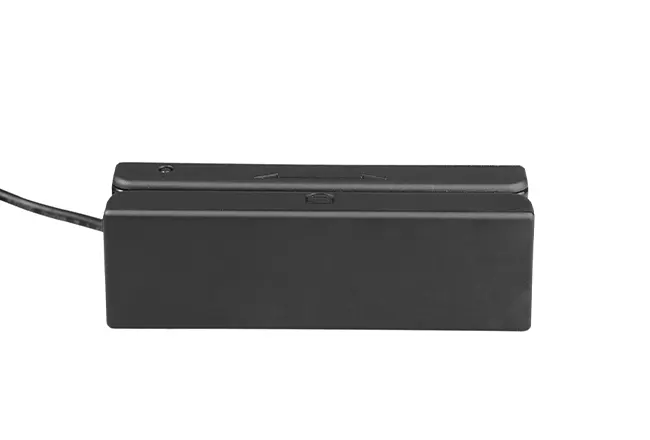
Keyboard and RS-232 interfaces make setup straightforward. Because TTCE sends decoded data, it behaves like a reliable data feed - speeding deployment and cutting post-install support calls.
✅ Key advantages at a glance:
• Three-Track Read In One Pass - fewer rescans, fewer overrides.
• Compact, Smooth Swipe Path - natural motion that prevents drag.
• Decoded Output To POS - no extra parsing or guesswork.
• Keyboard/RS232 Interfaces - drop-in deployment across lanes.
• ISO 7811/7812 Alignment - consistency for payment and loyalty flows.
• Long-Life Head (up to 800,000 cycles) - performance that stays fast.
- Built For Real Retail Conditions
Checkout counters are messy environments: dust, vibration, cleaning sprays, and constant use. Our Magnetic Stripe Reader is built to withstand these realities without drifting out of spec. By holding tolerance over time, it avoids the slow decay that quietly turns a five-second transaction into a ten-second negotiation.
What Faster Magstripe Performance Delivers To The Store
A speedy lane is more than a metric - it's an experience customers can feel. Speed the swipe, lift the brand.
Nail first-pass reads and the whole lane moves - faster lines, calmer cashiers, happier customers, and more help where it counts: on the floor.
- Fewer Exceptions, Easier Training
Clean, standards-aligned data reduces error prompts and awkward fallbacks. New hires learn the motion quickly; veterans keep their rhythm. Managers field fewer "what does this code mean?" calls during peak hours, which keeps the whole team focused on selling and service.
- Lower Total Cost Of Ownership
Speed and cost efficiency are linked. Durable heads stretch replacement cycles. Standards compliance avoids one-off software patches. Avoid costly upgrades.
With flexible interfaces, you keep existing terminals and cut maintenance, downtime, and lane closures.
- Day-one impact.
After switching to TTCE MSR, stores see fewer re-swipes, smoother hand-offs, and faster throughput at peak. The change is subtle but cumulative. Over a full day, those saved seconds convert into real capacity and calmer staff.
- Speed the line, not the POS
For payments, loyalty, gift cards, and IDs on magstripe, a new reader is the quick win. TTCE helps you confirm fit and plug into existing interfaces with a clear rollout path.
What to do
Pilot in your busiest lane and watch the metrics: first-pass success, wait time, and touches per transaction. If you don't see faster lanes and fewer exceptions, don't scale the rollout. When you're ready to move faster, we're ready to build with you.
