

Hotel Self-Service Kiosk Guide: Modular Design, Easy Maintenance, 24/7
2026-01-29Why Hotel Self-Service Kiosk Systems Matter Now
Peak arrivals, late-night check-ins, and uneven service standards strain even the best-run properties. Guests want speed and certainty; managers want consistency and control. A well-implemented Hotel Self-Service Kiosk satisfies both. It removes guesswork at the lobby, standardizes identity and payment flows, and frees staff to handle exceptions and higher-value interactions.
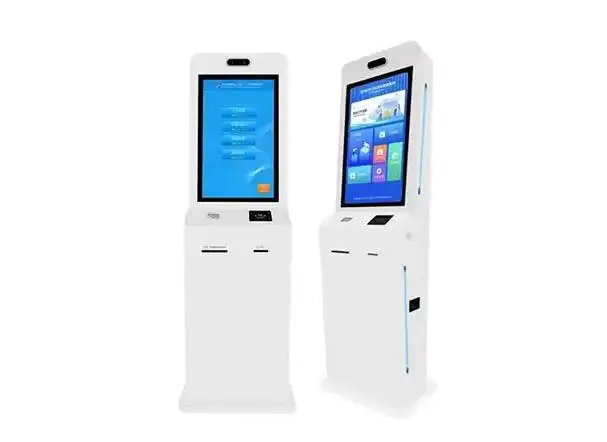
This guide explains how these systems work, what hardware choices actually affect guest experience, how modular design keeps you online, and how to integrate with your PMS and payment stack. Most importantly, it shows how to measure outcomes in a way finance and operations can audit.
What a Hotel Self-Service Kiosk Does
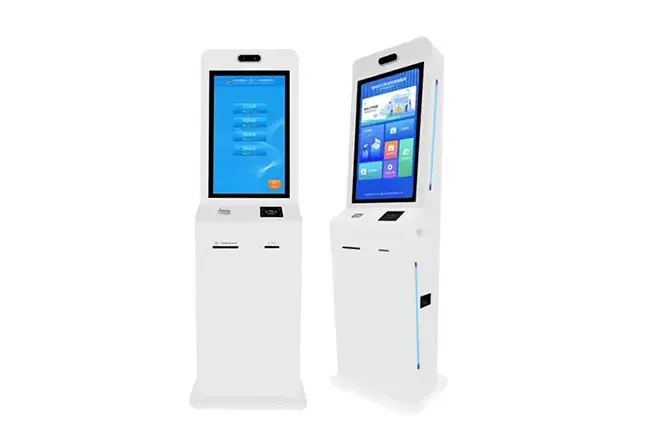
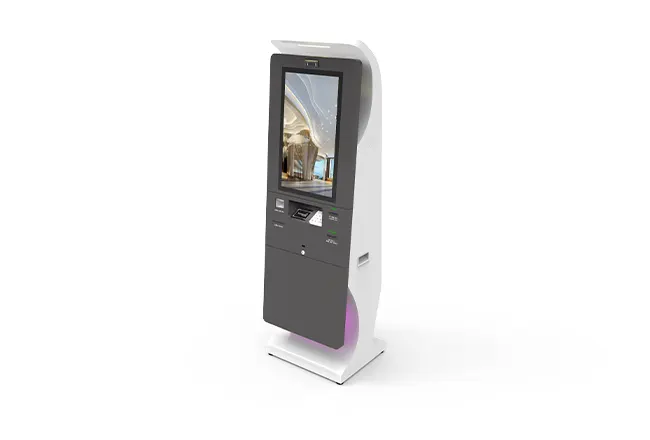
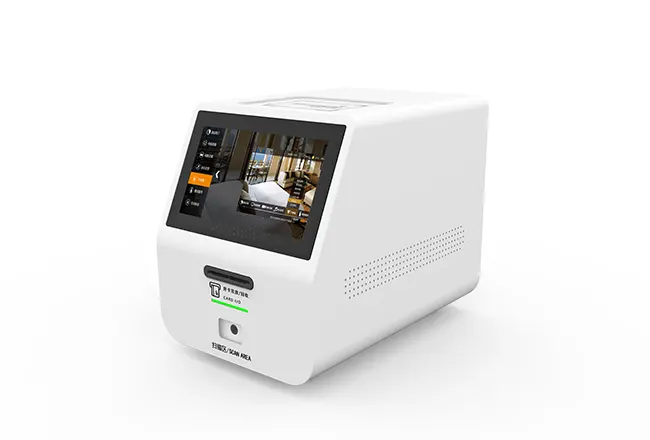
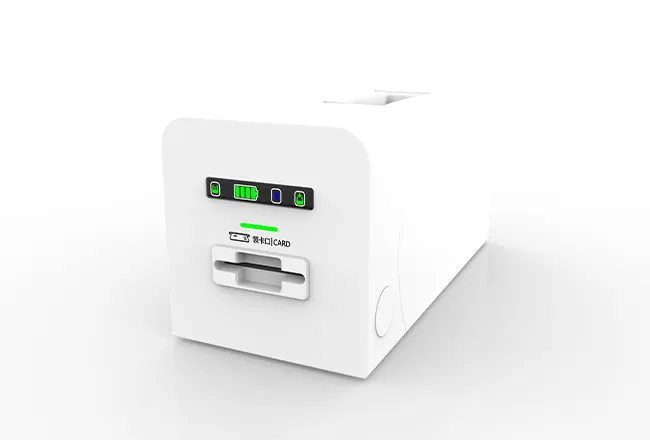
Think of the kiosk as a guided, end-to-end arrival and departure station. A guest confirms their reservation, verifies identity, authorizes payment, and receives a programmed RFID room key—without joining a long queue. The same unit can:
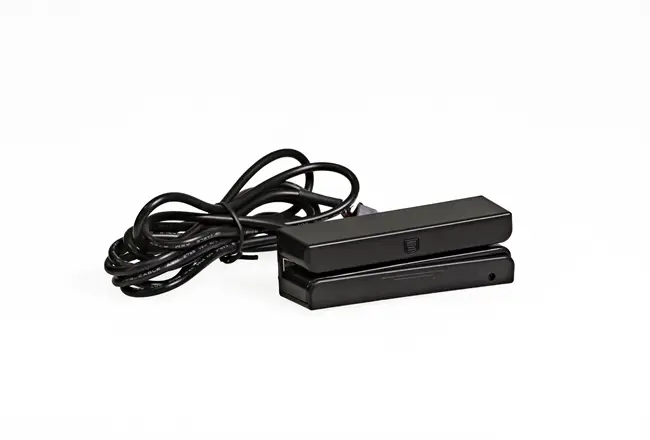
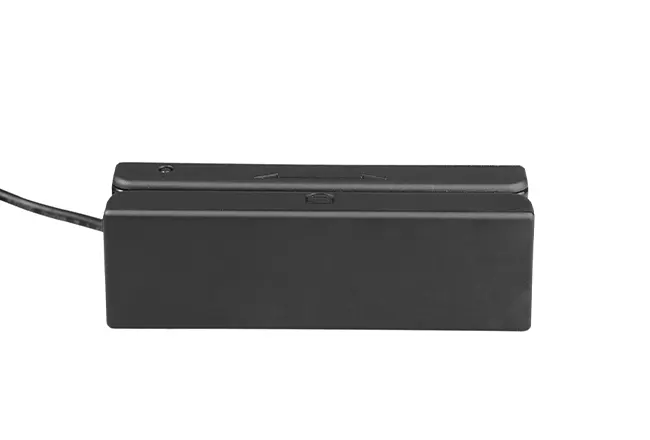
• Read and write RFID cards for precise access control, and recycle returned cards to protect inventory.
• Print receipts or folio summaries on demand.
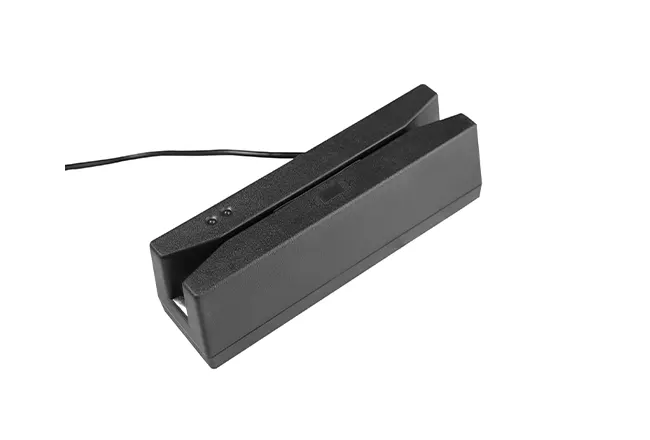
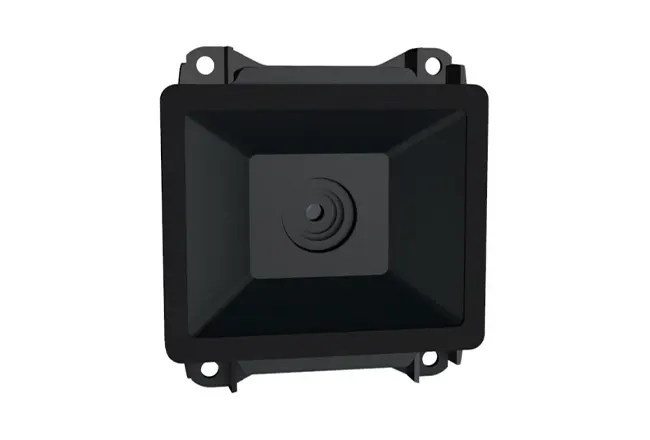
• Scan barcodes and QR codes to retrieve mobile bookings, vouchers, and loyalty IDs in seconds.
• Operate around the clock on Windows or Android, with stable connectivity over gigabit Ethernet and Wi-Fi or cellular backup.
Because the Hotel Self-Service Kiosk runs continuously with efficient power usage, late arrivals are no longer dependent on after-hours staffing. The experience is predictable for guests and predictable for your audit trail.
Industry Pain Points the Kiosk Solves
Front desks struggle with the same friction points day after day. Arrivals bunch around flights and events. Manual ID checks vary by staffer and shift. Card issuance is error-prone and wasteful. Payment flows differ by terminal and training. After-hours service is costly and inconsistent. A Hotel Self-Service Kiosk consolidates these steps into one standard process: identity verification, payment authorization, and key encoding are performed the same way, every time. The result is shorter queues, fewer exceptions, and fewer disputes. You also gain a clean record of what happened when—useful for chargebacks, compliance, and property-level audits.
• Modular Design That Simplifies Maintenance
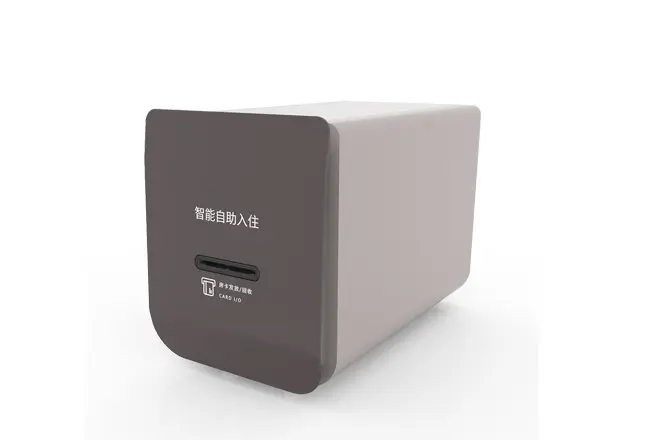
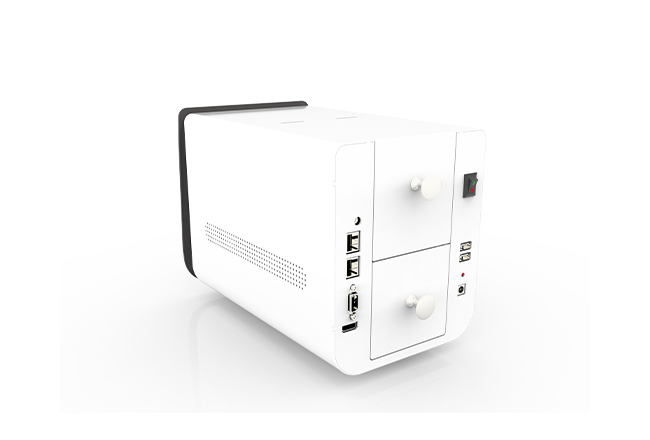
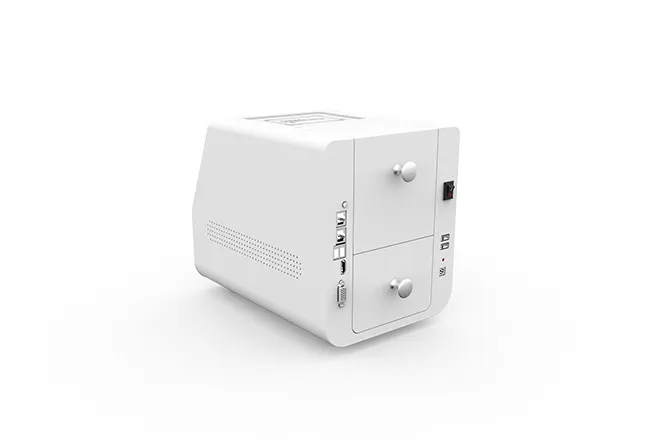
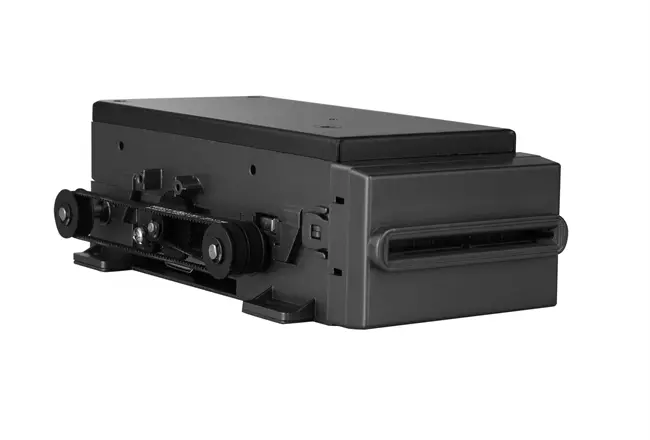
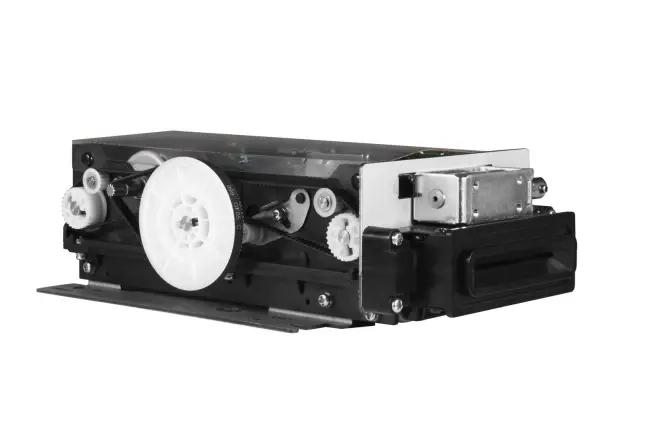
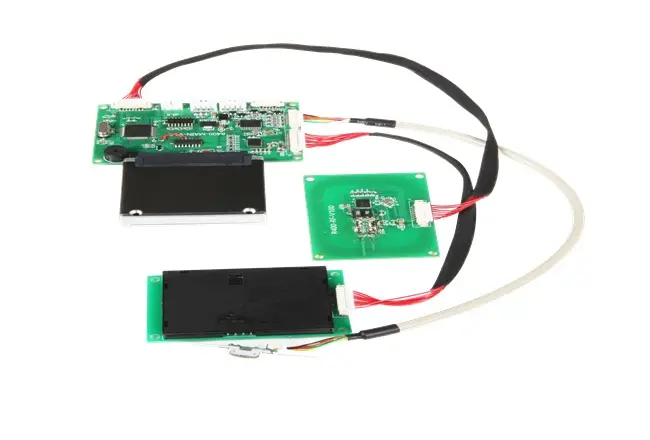
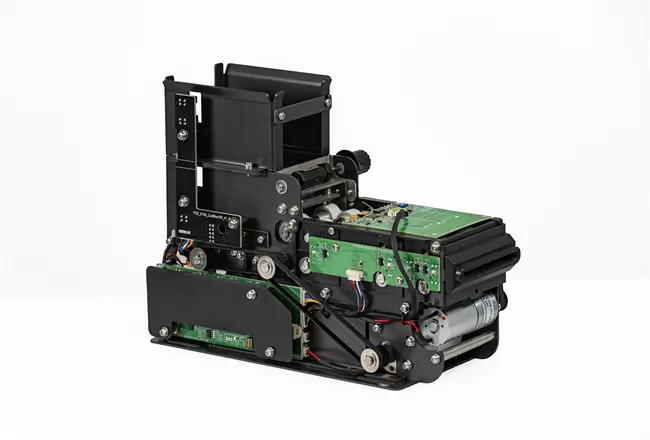
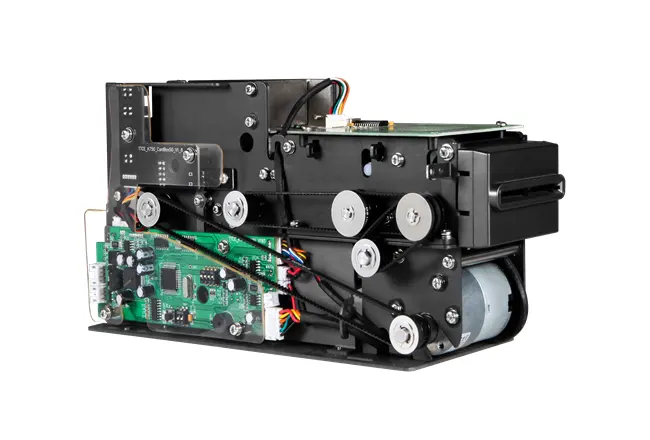
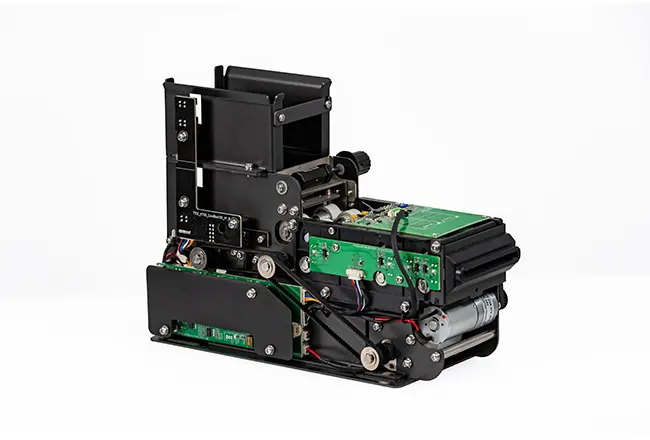
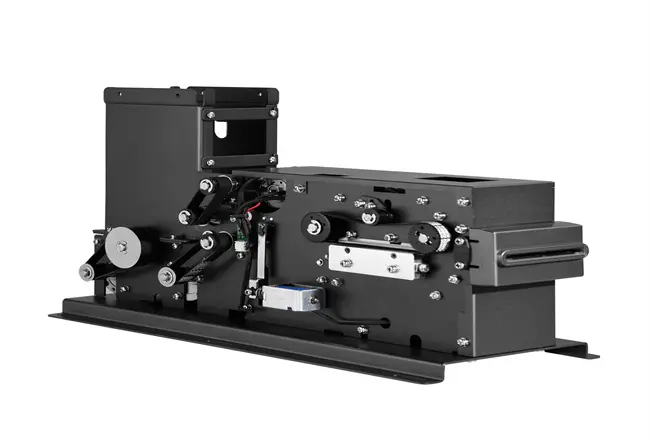
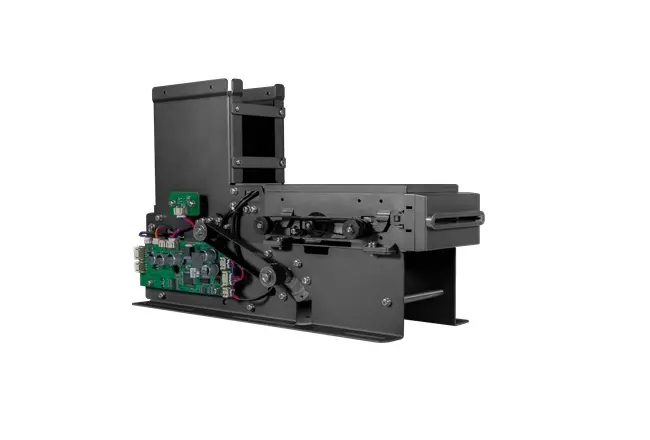
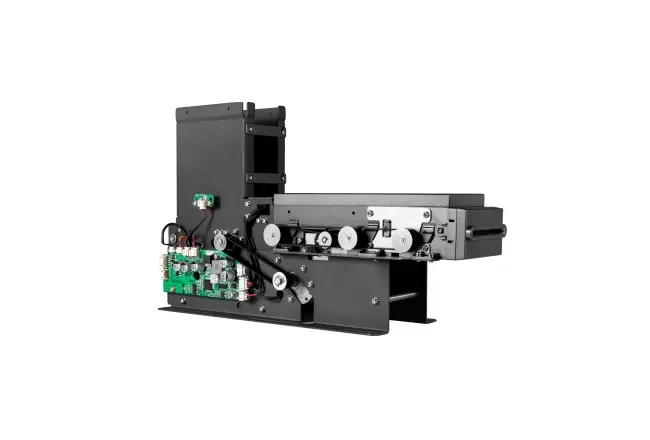
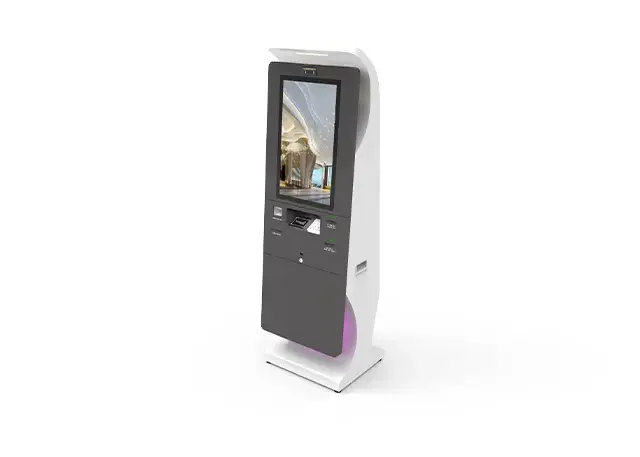
Uptime isn't a feature; it's the job. The best kiosks use modular components so one fault does not take the whole unit offline. Core modules typically include a touchscreen, a wide dynamic facial camera with dedicated fill light, an RFID card dispenser with read/write and recycling, an 80 mm thermal printer, a 1D/2D barcode and QR scanner, an audio module, and an external POS payment terminal. If a printer jams or a scanner ages out, staff swap that module and the kiosk keeps serving guests.
This modular approach cuts mean time to repair, reduces spare-part complexity, and keeps maintenance discreet. A modular RFID dispenser speeds issuance and returns, improving card utilization and reducing waste. Pair these modules with an industrial-grade motherboard and tidy cable management, and you have a platform that scales across multiple properties without constant tinkering. In short, you protect uptime, lobby aesthetics, and guest trust at the same time.
Built for 24/7 Reliability and Smart Power Use
Hotels never sleep, and your technology shouldn't either. A Hotel Self-Service Kiosk should run continuously with a stable electrical envelope (for example, AC 220 V at 50–60 Hz) and smart power management that keeps the unit responsive without wasting energy. Efficient components limit idle draw while waking instantly when a guest approaches. That translates to fewer missed check-ins, quieter nights for on-call teams, and lower labor costs.
Connectivity is just as important. Primary gigabit RJ45 (1000M) provides fast, secure data paths for PMS lookups and payment authorization. Dual-band Wi-Fi and 2G/3G/4G options add redundancy for tricky layouts, pop-up deployments, or ISP hiccups. Solve issues before they disrupt service with watchdogs, remote monitoring, and supply alerts. During surges and network shifts, ID, payments, and RFID stay fast and reliable.
Hardware that Reduces Friction
• 27-inch capacitive touchscreen: sharp, precise, easy to use.
• HD facial camera with WDR and fill light: consistent matches in any light.
• RFID dispenser with read/write and recycling: automated issuance and returns, protected stock.
• Thermal printer for 80 mm rolls that produces clean receipts and folio summaries during peak demand.
• Fast 1D/2D barcode and QR scanner that snaps codes in milliseconds, enabling instant retrieval of mobile confirmations.
• Clear audio with adjustable 5 W speakers for voice prompts that cut confusion in busy spaces.
Round out the design with privacy filters, easy-clean surfaces, multilingual UI, and ADA-compliant height and reach. Put simply, the hardware in your Hotel Self-Service Kiosk should make the process obvious from the first tap to key collection.
Integration With PMS and Payments
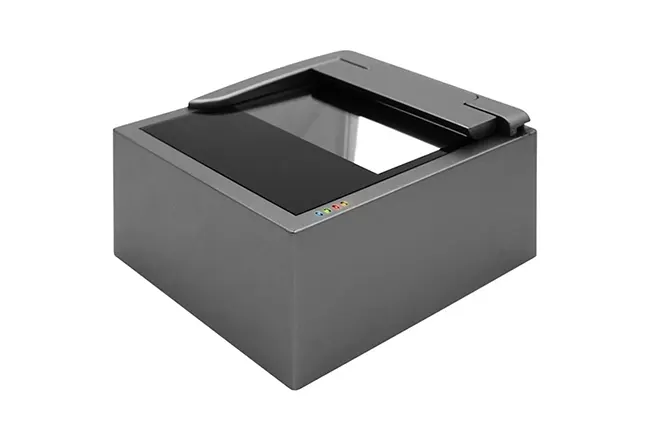
Integration turns a kiosk into an operational asset rather than a standalone gadget. Tie your PMS to enable real-time reservation lookup, room assignment, key encoding logic, and folio synchronization. Let the barcode and QR scanner capture mobile confirmations. Layer ID document reading with facial matching so you can verify guests without manual intervention. The RFID module writes access rights to the card and accepts returns with clear logic that reduces front desk handling.
Payments must be secure and familiar. Use an EMV-certified, PCI DSS-compliant flow with tokenization to limit scope and risk. Many hotels prefer an external POS terminal mounted to the kiosk because guests recognize it and authorization rates improve. Standardize OS images and updates across Windows or Android deployments, segment the kiosk network, and manage endpoints centrally. Keep gigabit Ethernet as the primary lane with Wi-Fi or cellular failover so the Hotel Self-Service Kiosk keeps transacting during maintenance windows and ISP issues.
Measuring What Matters: Metrics and ROI
• Skip vanity metrics. Track operational numbers you can audit monthly and tie to revenue protection and guest experience:
• Average check-in time overall and during peak periods
• Peak queue length and abandonment rate
• Self-service completion rate versus handoffs to staff
• RFID card issuance, returns, and wastage
• Printer uptime and media consumption per 100 check-ins
• Payment authorization rate and chargeback incidence at the kiosk
• Identity verification success and manual review rates
• After-hours labor hours saved and late-arrival capture rate
• Post-stay satisfaction (NPS or CSAT) for kiosk users versus desk users
A simple model shows why the math works. If a 200-room property shifts the majority of arrivals to the Hotel Self-Service Kiosk and cuts average check-in from six minutes to two, you reclaim hours of lobby capacity daily. Standardized identity checks reduce disputes and compliance exposure. Automated card recycling lowers consumable costs. Late flight? No problem. Always-on access gets guests checked in fast, without extra staff on duty. Add in modular maintenance that slashes downtime and you preserve revenue during peak periods. These are outcomes you can present to finance with confidence.
Implementation Playbook
Adoption is driven by execution. Position kiosks at natural dwell points; ensure sightlines and signage. Talk in plain terms, show how far guests have gotten, and end with a clear “Your Key Is Ready.” Offer the languages your guests use. Let staff jump in with assisted mode. If a match or payment doesn't go through, make help available right away. Make hygiene and accessibility non-negotiable.
Call to Action
Modernize arrivals with a secure, reliable Hotel Self-Service Kiosk. Schedule a demo. We'll audit your lobby layout, network, PMS, and payments, then deliver a modular plan that shortens queues, reduces errors, and raises guest satisfaction—day and night.
