

What Makes a Desktop Hotel Self-Service Terminal Secure
2025-12-31Desktop Hotel Self-Service Terminal security has outgrown its image as a back-room engineering topic. Today, it is on the agenda for hotel boards that aim to enable quick self check-in without opening vulnerabilities in access control, payment handling, or guest information. As a dedicated hardware manufacturer, TTCE designs each Desktop Hotel Self-Service Terminal so that card management, financial transactions, and system communication stay controlled, traceable, and dependable in real front-desk conditions.

Security Fundamentals Built into the Desktop Hotel Self-Service Terminal
For TTCE, security does not start with software patches or policy documents. It starts with the physical structure, internal layout, and operating logic of every Desktop Hotel Self-Service Terminal.
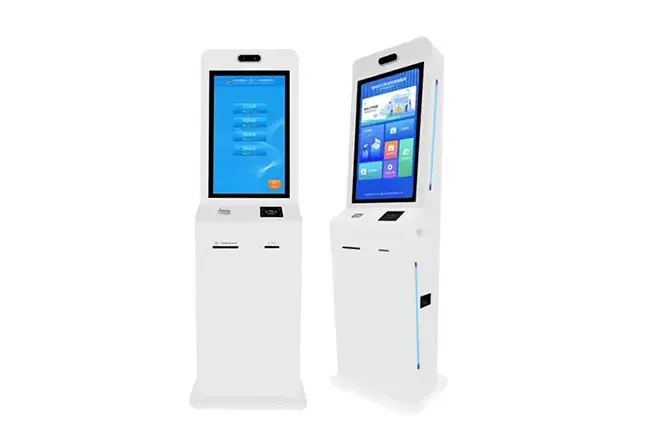
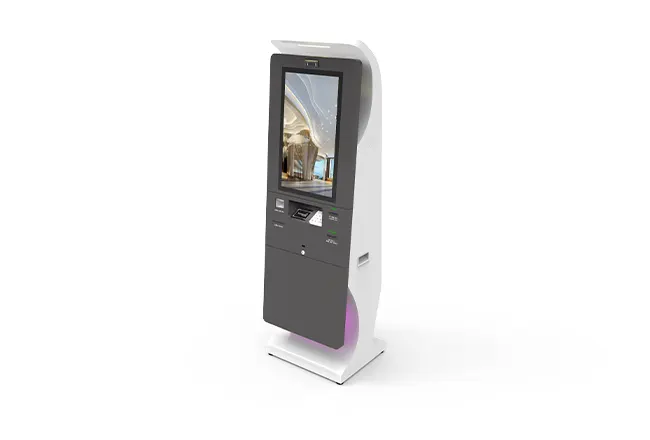
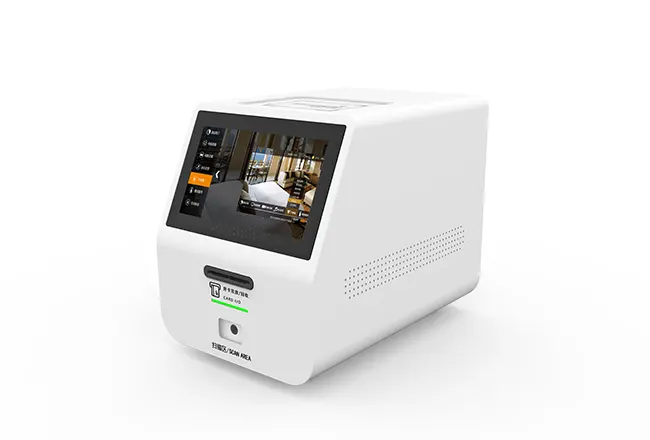
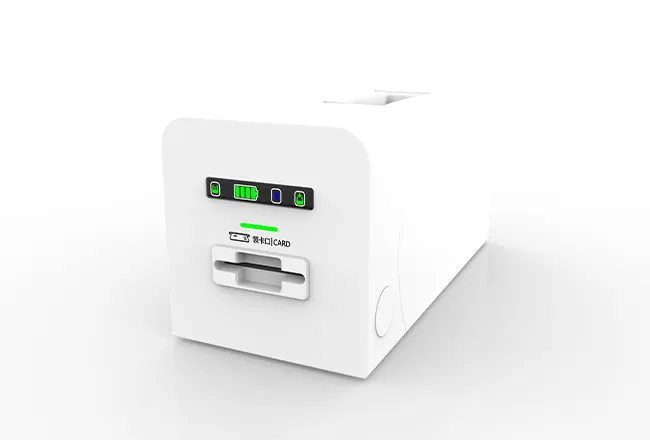
The compact, desktop footprint is purpose-built for reception counters, concierge desks, and small lobby check-in points where space is tight but guest traffic is steady. Even in this small envelope, the device must shield cards, electronics, and interfaces from casual interference, accidental damage, and unintended misuse.
- Guided Card Path Instead of Open Counter Handling
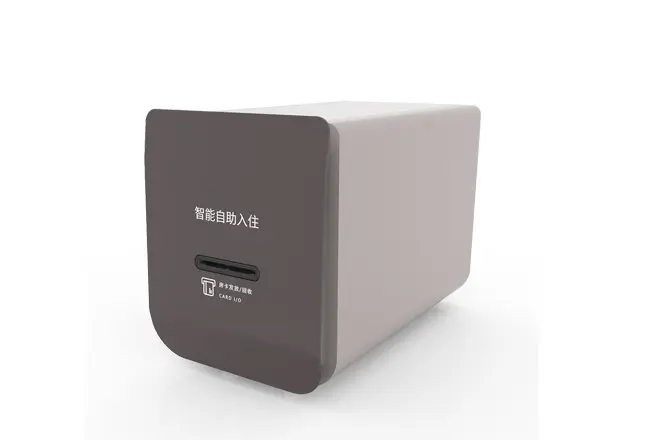
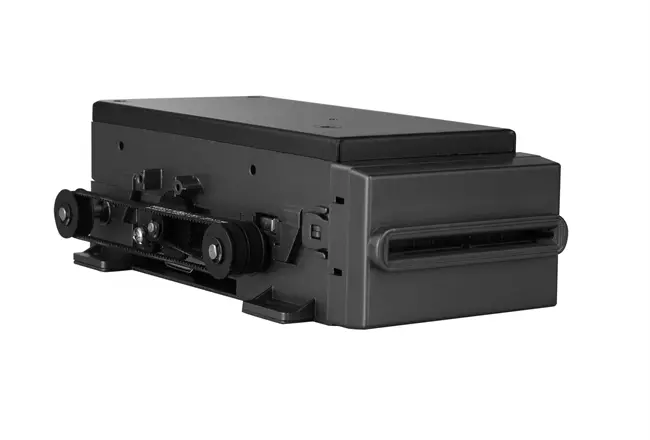
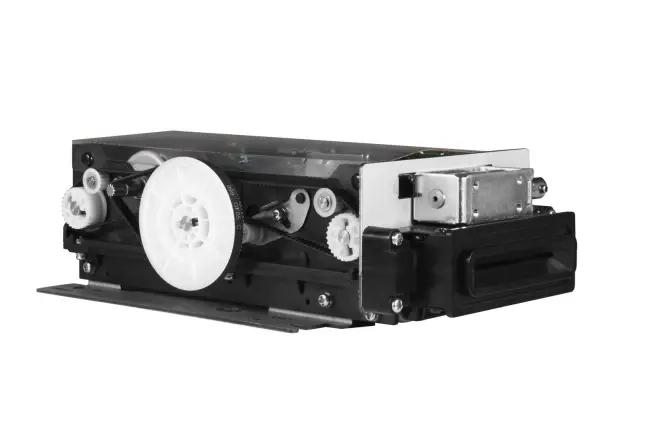
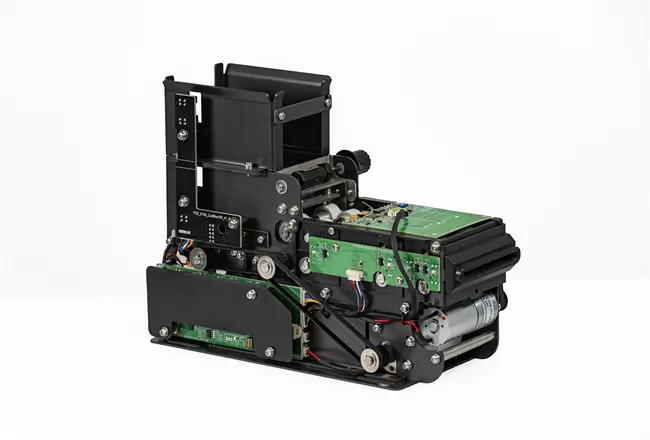
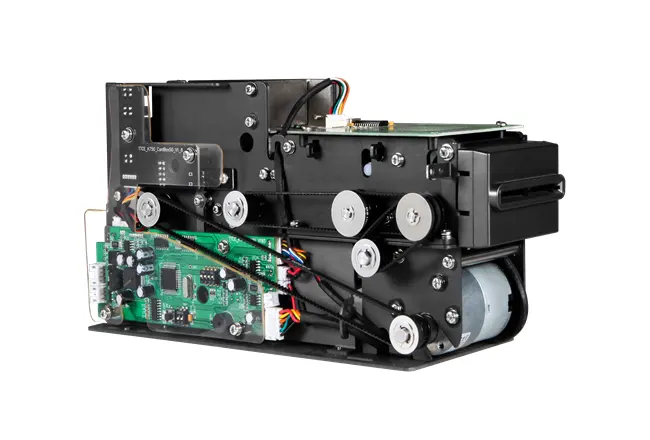
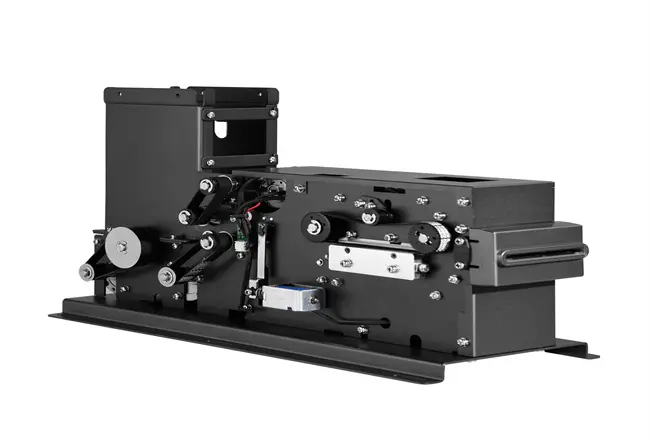
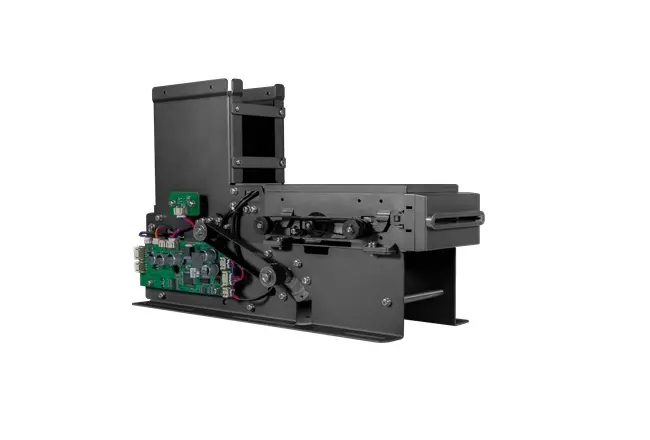
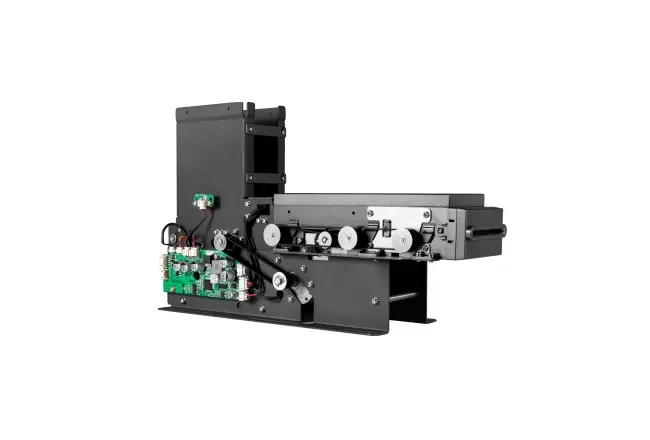
At the center of the solution is an RFID card reading and dispensing module with an RS232 interface, integrated into a fully guided, closed card path. Cards are stored, transported, encoded, and issued inside the housing, instead of being spread loosely across the front desk.
Instead of stacks of blank or pre-coded keys lying in view, the Desktop Hotel Self-Service Terminal moves each card through a controlled sequence:
•from internal card stock into the reading/encoding position
•then either to the guest-facing output slot
•or back into an internal recycling channel for reuse or secure retention

This closed-loop architecture helps hotels solve common everyday problems:
✅Fewer chances for cards to be misplaced or swapped between reservations
✅Less manual card handling by staff during busy arrival and departure waves
✅Lower risk that a guest receives the wrong room key
✅Clearer inventory control over new, issued, and returned cards
In practice, the Desktop Hotel Self-Service Terminal makes the secure process the default process. Staff and guests are guided through the same consistent steps. It minimizes the scope for human error, closes off informal workarounds, and tightens access control, yet still keeps the check-in journey efficient.
- RFID Technology Anchored in Global Standards
The core card module is built around widely adopted contactless standards such as ISO/IEC 14443 and ISO/IEC 15693. By supporting Mifare and other common card families, the Desktop Hotel Self-Service Terminal lets hotels rely on proven, globally available credential technologies instead of niche or local formats.
Mechanical and electronic design are tuned to typical hotel card specifications - standard dimensions and defined thickness ranges. This helps provide stable reading and writing performance even when cards are reused, show light wear, or have been carried in a guest's wallet for an extended stay.
In daily use, a single secure Desktop Hotel Self-Service Terminal can:
•Read guest cards at check-in, check-out, or revalidation
•Encode or update access rights when room assignments change
•Collect and recycle expired or unused cards through an internal path
All of these steps take place inside a robust enclosure designed to resist casual tampering and to shield sensitive assemblies from dust, spills, and impacts that are common at busy front desks.

Protecting Payments and Sensitive Guest Data
A modern Desktop Hotel Self-Service Terminal is more than a key machine. Guests expect to handle deposits, room charges, upgrades, and optional services using the same device. That means security must extend from door access to financial flows and personal information.
- Hotel-Grade Payment Security, Not DIY Solutions
Instead of building experimental payment flows, TTCE aligns the Desktop Hotel Self-Service Terminal with existing, certified payment ecosystems. It is designed to work next to trusted POS platforms, bank-grade card readers, and established online payment services. This approach, based on standard interfaces and officially approved devices, helps hotels sidestep custom, unproven payment setups. A guest can complete check-in and payment on one compact platform while the property remains aligned with internal payment policies, acquirer requirements, and PCI-related guidelines.
- Intuitive Screens, Controlled Touchscreen Flows
The multi-function touchscreen is the main interaction surface for both guests and staff. Beyond being simple and fast, each screen sequence is designed to steer users through the process, reducing the likelihood of incorrect inputs, overlooked steps, or broken transaction flows.
TTCE designs the Desktop Hotel Self-Service Terminal with structured, step-by-step interface logic, including:
✅Clear guest identification and verification stages before a room card is created
✅Explicit confirmation of payment amounts, currencies, and chosen services
✅On-screen guidance for presenting bank cards, tapping contactless devices, or using digital wallets
✅Defined, auditable paths for refunds, booking changes, and cancellations
Well-structured flows limit ambiguous bookings, partial charges, and unclear authorizations. This is especially important when the same terminal is handling personal data, reservation records, and payment card details simultaneously.
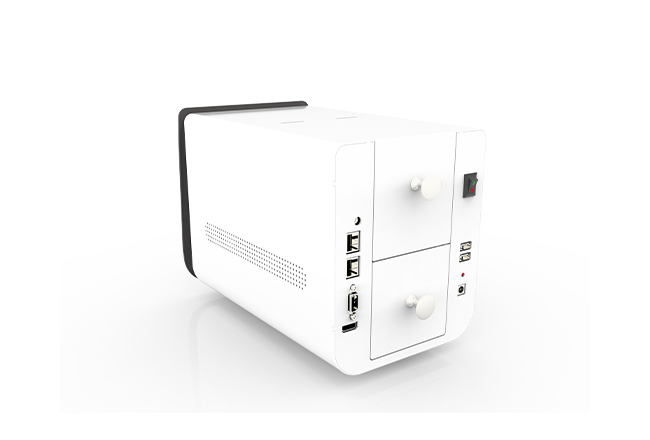
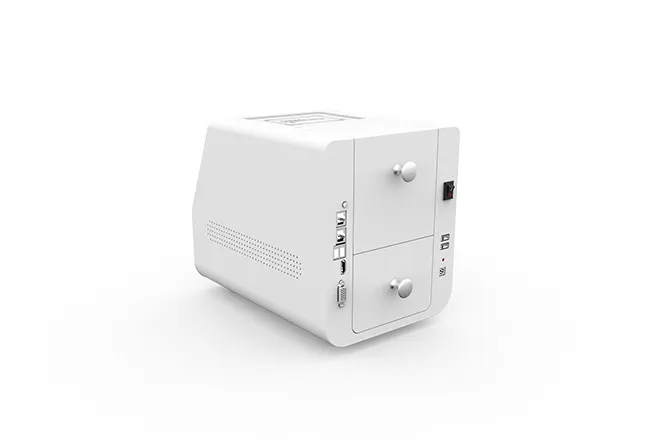
Behind the scenes, the Desktop Hotel Self-Service Terminal maintains a live link to the hotel PMS through dedicated serial or network connections. Guest name, stay dates, room number, and key status updates travel over channels that IT teams can document, secure, and monitor with familiar tools.
Security is not solved by encryption alone. Reliable protection also comes from predictable system responses - how the terminal deals with declined payments, how it enforces timeouts, and how it captures, stores, and exports logs. TTCE designs the Desktop Hotel Self-Service Terminal so these patterns are well-defined, consistently applied, and mapped to hotel security policies and audit needs.
Hotel System Integration, Long-Range Security, and TTCE Support
In day-to-day operations, a Desktop Hotel Self-Service Terminal is seldom deployed on its own. It usually connects to room lock controllers, PMS software, payment gateways, and sometimes identity-verification components such as passport readers, ID scanners, or facial recognition modules.
- Built for Ecosystem Integration and Long-Term Use
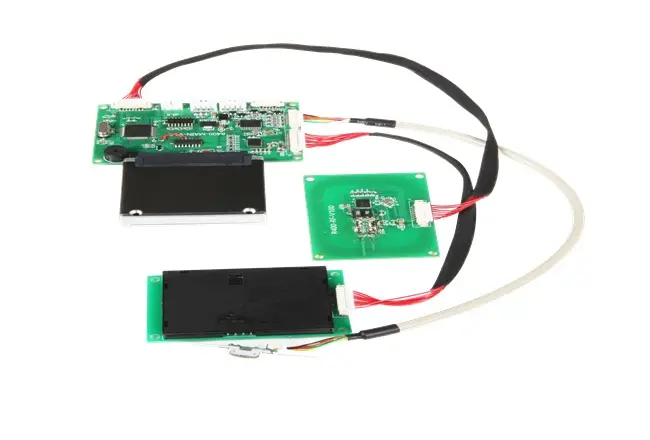
To operate securely over many years, the terminal must fit neatly into this broader ecosystem. TTCE therefore builds its platform with modular hardware and standard interfaces. The RFID module uses industrial communication protocols. Payment hardware connects through widely supported ports. The entire Desktop Hotel Self-Service Terminal can be monitored, serviced, and updated without obscure or proprietary tools.
The result is a practical set of advantages for hotels:
✅Fast implementation alongside current room locks and PMS integrations
✅Clearer fault tracing, supported by intuitive status cues and audit-ready logs
✅Smooth adaptation when card schemes, security policies, or payment options shift
As this desktop terminal framework is also applied in banking, healthcare, and other sensitive fields, TTCE keeps general data protection principles front and center. The practices used to safeguard hotel guest information are compatible with industries where compliance and audit demands are even stricter.
- A Strategic Hardware Partner for Secure Self-Service
For forward-looking hotels, the key question has moved from "Should we adopt self-service?" to "How do we do it without creating new risks?" The right Desktop Hotel Self-Service Terminal should help clear queues, support staff at peak times, and keep service available around the clock - while tightening the grip on room access rights and payment security.
From TTCE's perspective as a manufacturer, the priority is to supply a hardware platform that is stable, modular, and secure enough for long-term hotel operations. With closed-loop RFID card control, carefully integrated payment peripherals, and reliable communication channels, the Desktop Hotel Self-Service Terminal actively reinforces security instead of becoming a weak link.
New-build projects, phased renovations, or focused front-desk improvements can all use TTCE's Desktop Hotel Self-Service Terminal as a core building block. The system enables automated room key issuing and recycling, plugs into your current PMS and locking systems, and provides a touchscreen interface that feels familiar to most guests from day one.
Call to Action
If you are currently reviewing Desktop Hotel Self-Service Terminal solutions or preparing to reduce reliance on fully manual reception processes, TTCE can partner with you. Our experts support technical scoping, integration planning, and long-term hardware lifecycle management. Contact TTCE to design a secure self-service approach that defends people, strengthens your brand, and delivers tangible gains in day-to-day efficiency.
