

NFC Security Without The Cloud: How Dual SAM Slots Protect Offline Payments
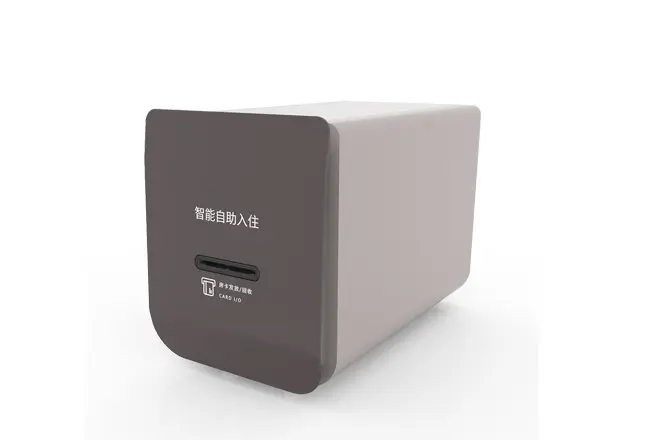
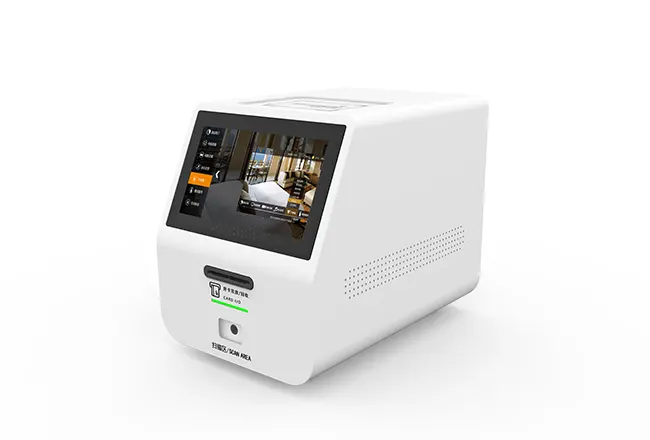
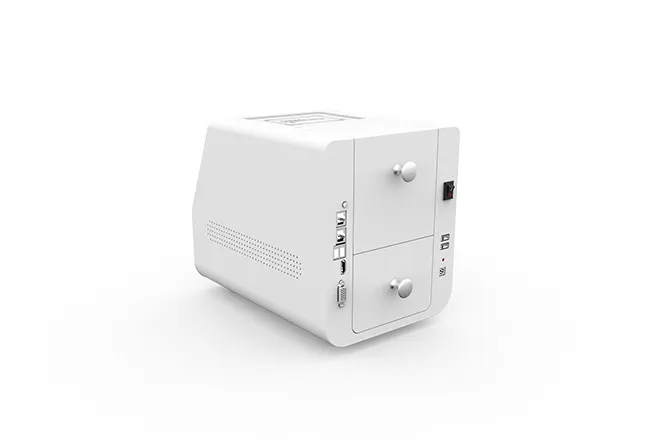
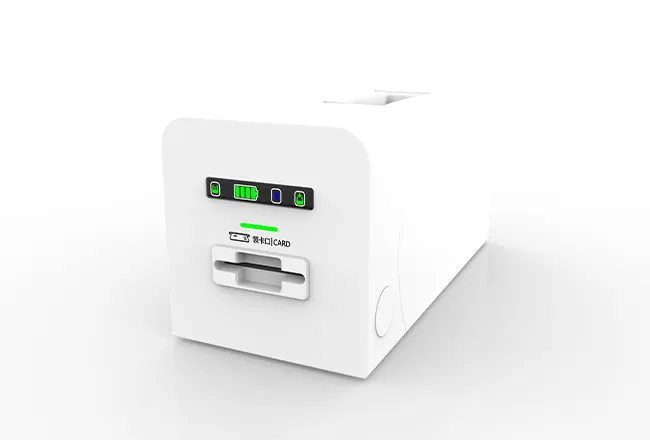
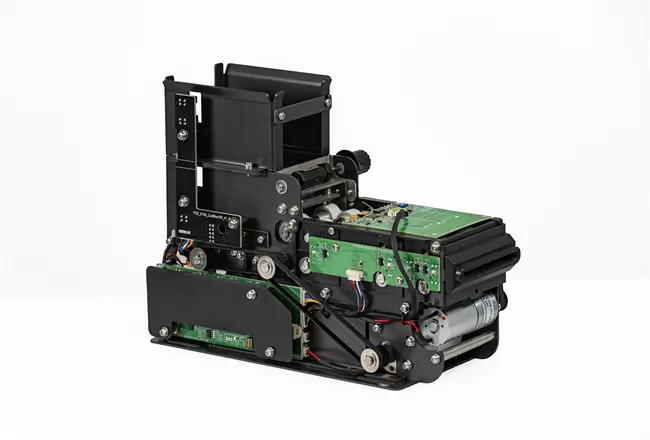
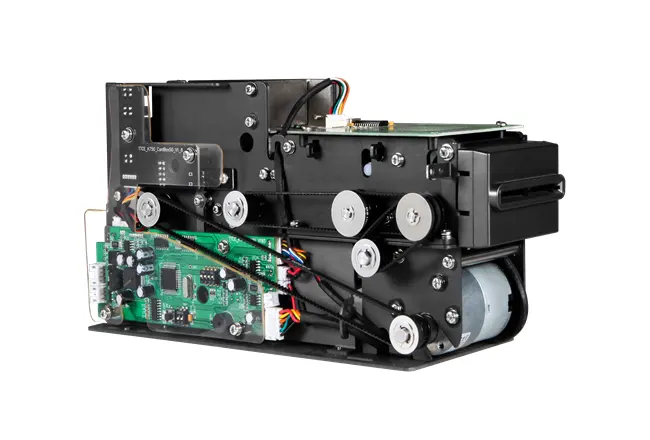
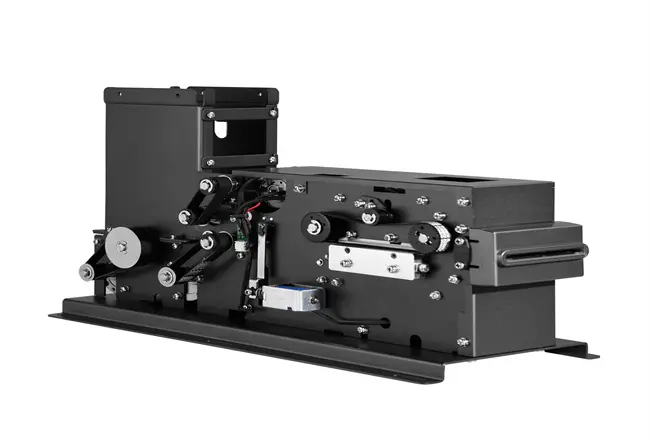
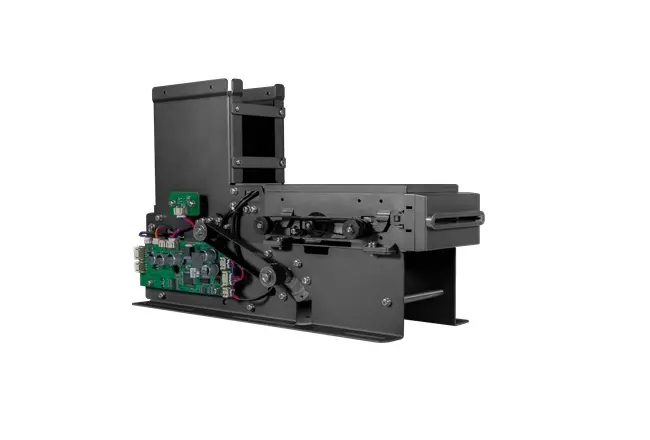
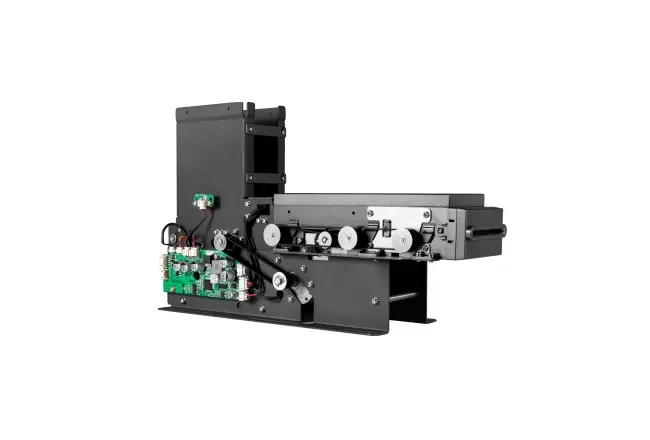
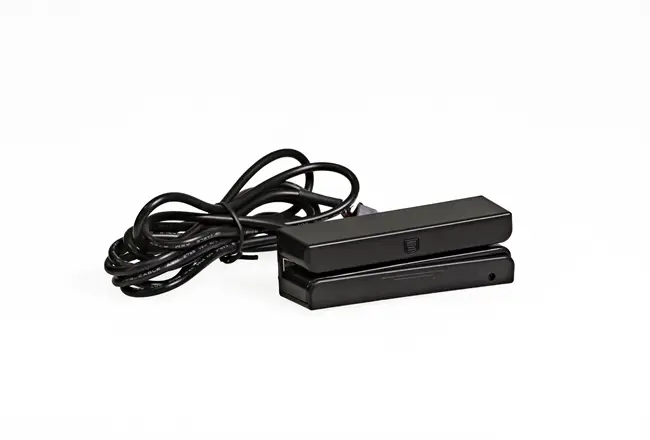
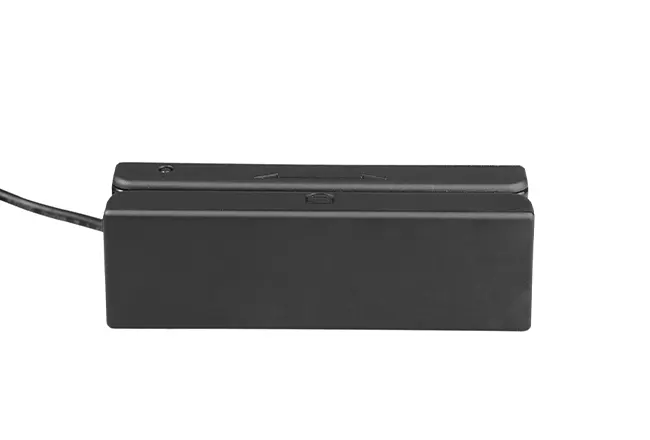
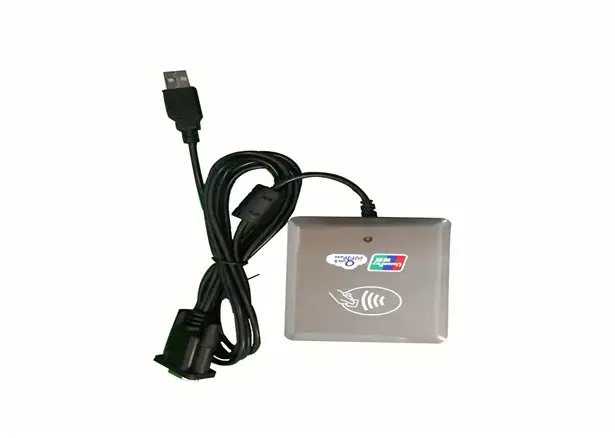
2026-04-20Credit Card Reader NFC technology powers billions of tap-and-go transactions annually—but what happens when the internet goes down? In an increasingly connected world, the assumption that real-time network access is always available has become a dangerous blind spot. The global offline payment systems market is predicted to experience extraordinary growth at a CAGR of 19.0%, hitting more than $20 billion by 2032. This shows clear demand from companies for payment solutions that function when payment networks are down. This is exactly what TTCE-RF610-A is built to do. It is an NFC card reader with dual SAM card slots that provides payment security at a banking level in any situation.
The Complex Problem of Security in Offline Transactions
The majority of payment systems that are reliant on the cloud share a major risk - the cloud can go down. An analysis done in 2025 showed that an average enterprise merchant suffers from 4 to 6 hours of loss in POS connectivity every single year caused by ISP outages, cellular dead spots, or peak hour bandwidth overwhelm. For a medium sized retailer that hour of downtime can lead to a loss of $8,000 to $15,000 in transactions and goodwill among the customers.
According to Nexi, a dominant player in the payment industry in Europe, 2026 will bring a shift in attention payment systems to offline payment systems with the inclusion of POS systems that can encrypt payment information and store it until a network connection is available. This has already been done in Finland, Sweden, Norway, Denmark, and Estonian in Systems of Deferred Authorization. Offline payment capability is essential for the uninterrupted continuity of business.
Dual SAM Security: The Core of the TTCE-RF610-A
The TTCE-RF610-A tackles this challenge directly by offering two built-in SAM (Secure Access Module) slots. Here’s why this design is important for procurement teams:
•Offline Cryptographic Authentication: SAM slots provide storage for encryption keys in tamper-proof encapsulation, so the NFC card reader is able to authorize transactions without the need to communicate with a remote server—this is ideal for transit gates, parking kiosks, and remote retailing.
•Multi-Application Segregation: With two SAM slots, banks and other financial institutions can keep payment keys and loyalty program keys, or even issuer keys and acquirer keys, separated and secure all within one NFC reader.
•Future-Proof Investment: As security requirements become stricter, SAM modules can be updated without the need to replace the complete NFC reader—safeguarding your investment for years to come.
Best of the Best
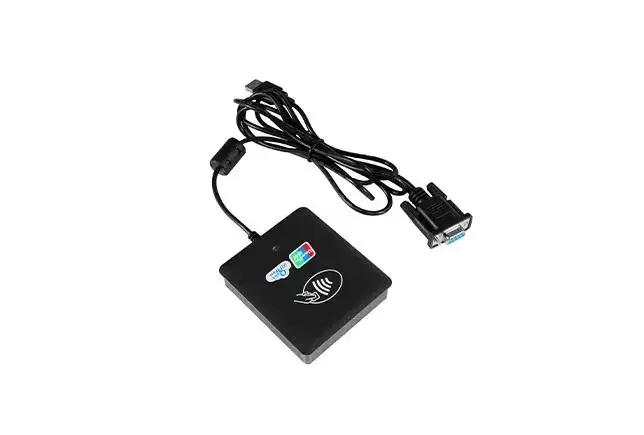
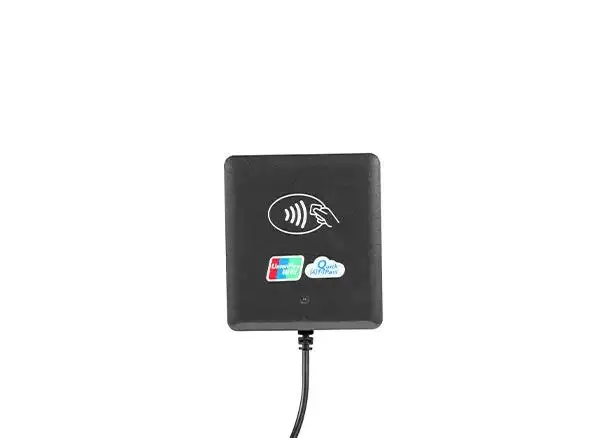
Unmatched Card Access: ISO/IEC 14443 Type A and Type B contactless cards, MIFARE Classic 1K/4K, MIFARE Ultralight, MIFARE Plus, MIFARE DESFire, and any other contactless IC cards are all supported by the TTCE-RF610-A.
•80mm Read Distance: Ideal for high-volume high-density scenarios such as stadium entrances and subway gates. Eliminates card misreads and deters eavesdropping detection in adjacent lanes.
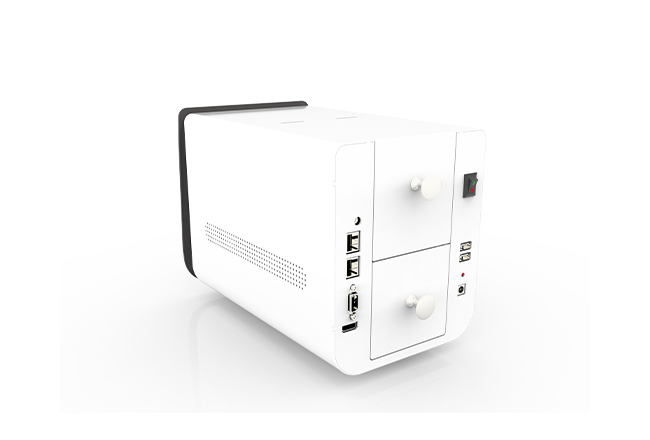
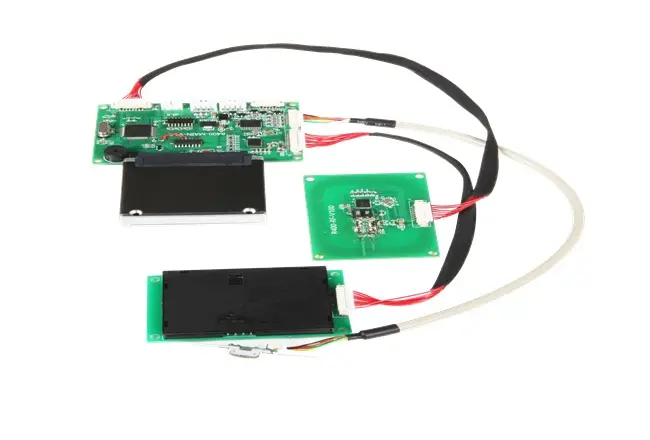
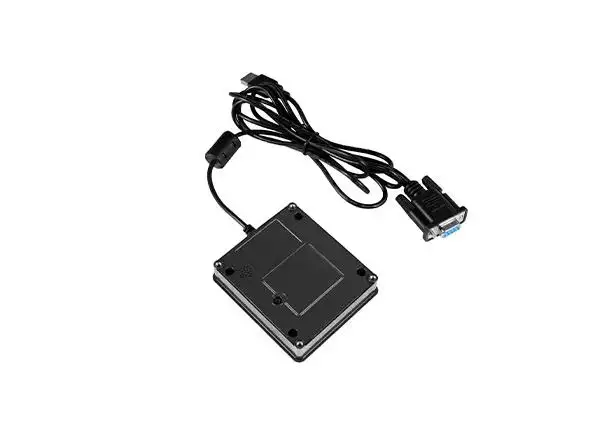
•Dual Interface: You can connect to both old and new POS systems thanks to the RS232 and USB connection options.
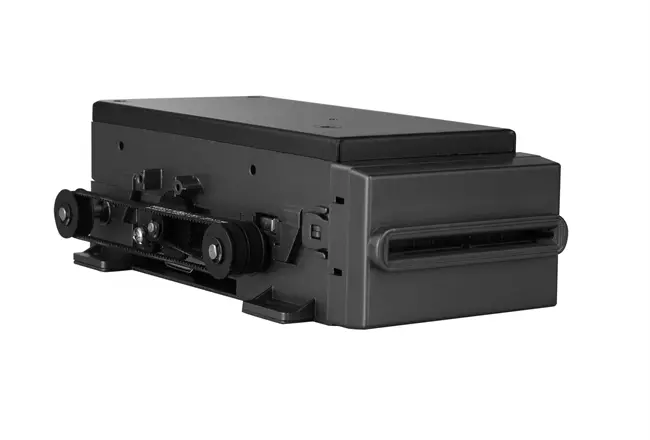
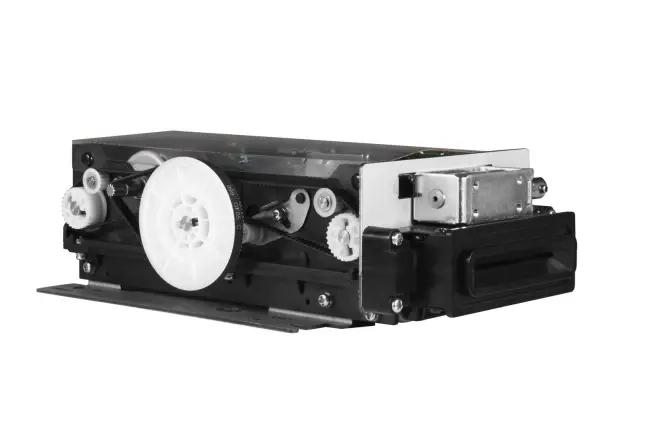
•Durability: TTCE-RF610-A has been built to endure all conditions. For temperatures of between -5° and 50° and an extremely low idle current of less than 30mA and peak current of less than 100mA, the TTCE-RF610-A has been built to withstand a heavy flux of hardcore.
Real-World Applications Where Offline Security is Essential
Public Transport: Buses, trains, etc. run through areas where cellular networks are unavailable. The TTCE-RF610-A processes fare payment transactions, even offline and saves this information until the device regains network connectivity.
•Access Control for Events: Concerts and sports events face network congestion during peak hours. With Dual SAM slots instant credential verification is possible without being delayed by the cloud.
•Banking and Finance: Branch self-service kiosks must provision secure authentication even during network standstill periods. Offline secure NFC readers guarantee uninterrupted service.
•Healthcare: Hospital network outages must provide continuous access for secure patient verification and access to charts. Offline verification ensures uninterrupted patient access during outages.
•Closed Loop E-Purse: The TTCE-RF610-A is ideal for payment transaction solutions where constant connectivity to the internet is not possible.
Why Procurement Teams Choose TTCE for Global Purchases in 2026
TTCE has the unique advantage of 24 years of dedicated global service. TTCE has the unique advantage of 24 years of dedicated global service. The contactless payment industry is expected to expand from USD 45.43 billion in 2025 to USD 128.35 billion by 2034 with a growth rate of 12.30%. Payment volumes are expected to rapidly increase, creating a need for payment systems to evolve from the where integrated connectivity is a 'nice to have' to a where integrated connectivity is a 'necessity.
•TTCE has the longest experience of any global payment service in customized solutions for individual clients providing secure payment options for bank ATMs to fare gates in mass transit systems.
•Seamless service from TTCE begins with your first contact and continues to customer the support for TTCE offers customized service options on either an OEM or ODM basis.
•Proven Global Track Record: Over the last twenty years, TTCE has developed an impressive portfolio of services and solutions, customer experience and market knowledge, and the ability to develop and implement services in multiple countries.
Looking Ahead
Payment systems that are resilient to rapidly evolving geopolitical challenges and threats to network infrastructure will remain in high demand. In the absence of these systems, the predicted Napkin 2026 scenario is possible, where the payment system is down for hours, resulting in significant economic and social impacts. Procurement managers for 2026 will require NFC card readers that provide security, even if the network is unavailable. The TTCE-RF610-A is the only device on the market today that meets these needs.
To request custom solutions and the standard TTCE-RF610-A device, contact TTCE. →
Frequently Asked Questions
Q: Is the TTCE-RF610-A capable of acting as a traditional Credit Card Reader NFC option that doesn’t require an internet connection?
A: Yes. The dual SAM slots keep encryption keys local, so offline transactions can be verified and data can be captured. The reader updates the central system upon restoring connection.
Q: Which card protocols does this NFC card reader support, specifically for offline transactions?
A: The reader is capable of processing offline transactions via SAM security for ISO/IEC 14443 Type A & Type B, MIFARE Classic cards, MIFARE Ultralight, MIFARE Plus, MIFARE DESFire, and standard contactless IC cards.
Q: What benefits does the dual SAM slot design provide to payment security?
A: The cryptographic isolation is created, for example, by an SAM slot dedicated to payment keys and an SAM slot dedicated to loyalty or access keys. This segregation prevents the cross-application interference and fulfills the financial security necessities.
Q: Is it possible to change a SAM module without replacing the entire reader?
A: Yes. Since SAM cards are field-swappable, you can change out security keys, service provider changes, or updates to the security level, and not incur the expense of new hardware.
Q: Is the TTCE-RF610-A built for high volume transit systems?
A: Yes, it has an 80mm reading range, an industrial build, and offline processing to handle the thousands of taps every day on buses, subway entryways and parking payment systems.
Q: What are the possible system integration alternatives?
A: The TTCE-RF610-A has been created with integration alongside new and legacy POS systems with the use of USB and RS232 connections in mind.
Q: Does TTCE offer custom solutions for various OEM assignments?
A: Absolutely. TTCE has a specialized R&D team that develops customized ODM/OEM solutions with bespoke design of casings and even firmware for specific requirements of the projects at hand.
