

Blog Related
Why Multi-Protocol Card Reader and Writer Saves Integration Costs
2025-10-23Why do teams still overspend when the fix is a smarter card reader and writer? Integration should be simple. Yet projects stall, costs climb, and timelines slip. Mixed credentials, legacy ports, and fragile firmware create hidden work. Field engineers chase "random" read errors. Managers add hardware and hope for the best. There's a cleaner path. Multi-protocol support cuts parts, code, and site visits. Security can scale without swapping devices. Procurement gets simpler. Deployment gets faster. But the real savings aren't where most people look. In the next section, we'll reveal the cost traps - and how to escape them.

The Hidden Costs Integrators Keep Paying
As new platforms meet old infrastructure, budgets leak. Many sites still mix credentials and controllers: one campus issues MIFARE Classic, another runs MIFARE DESFire, and a third relies on regional transit cards. To bridge the gaps, teams add adapters, custom middleware, and extra wiring. Procurement gets messy. Maintenance gets slower. Downtime grows.
From TTCE's vantage point - a high-tech enterprise recognized by China's Ministry of Science and Technology - three cost drivers appear again and again. First, limited protocol coverage forces parallel hardware lines for each card type. Second, unstable read/write behavior creates intermittent field failures that masquerade as software bugs but trace back to RF timing and noise. Third, proprietary interfaces trap projects in vendor-specific tools and extend deployment timelines.
A single, dependable device that reads multiple protocols and offers standard interfaces removes friction at every stage of the lifecycle. You buy fewer SKUs, reuse wiring, reduce custom code, and shorten acceptance testing. Support teams train once, troubleshoot faster, and keep fleets healthy with fewer truck rolls.
- Why Compatibility Gaps Multiply Spend?
Mixed fleets inflate inventory and labor. If gates, kiosks, and POS lanes each require a different reader, your spares expand and engineers context-switch. Standardizing on a card reader and writer that handles ISO/IEC 14443 Type A & Type B - including MIFARE 1 S50/S70, Ultralight, MIFARE Plus, and MIFARE DESFire - collapses that complexity. One device covers the mainstream credential landscape, enabling consistent rollouts across regions and business units.
✅ Stability Is Cheaper Than Speed
The most expensive failures are the ones you cannot reproduce. Frame drops, poor anticollision handling, or thermal drift lead to site visits and hotfixes. TTCE emphasizes stable RF design, proven RFID card read/write firmware, and durable construction designed for continuous duty. Consistent performance protects budgets more than any line-item discount.
One Device, Fewer Headaches: How TTCE Lowers Complexity
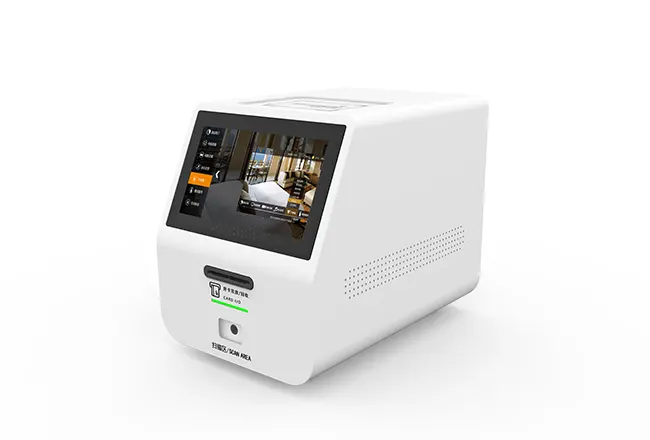
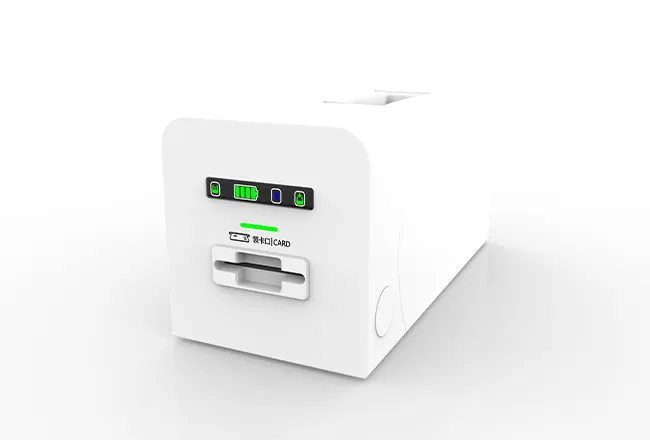
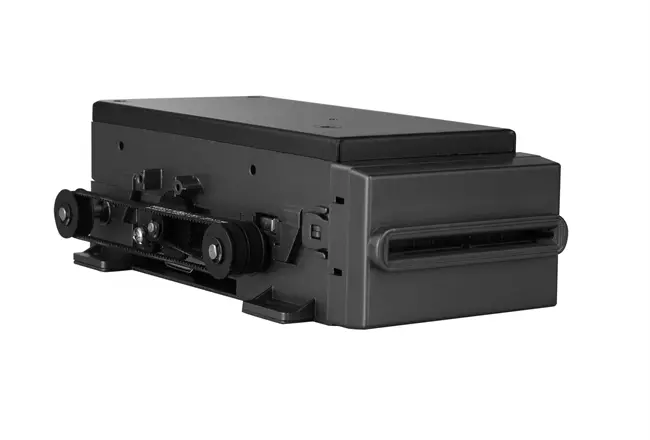
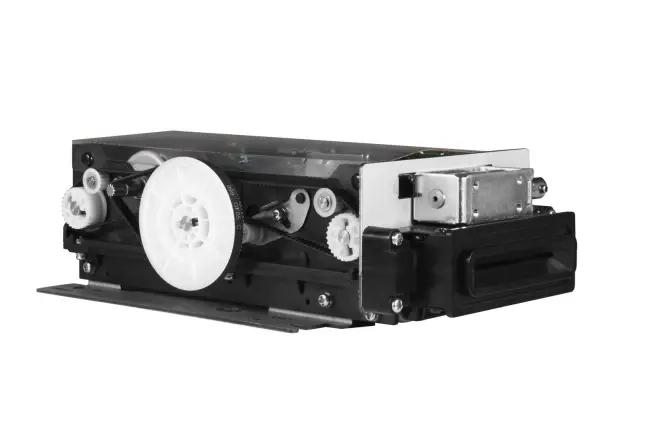
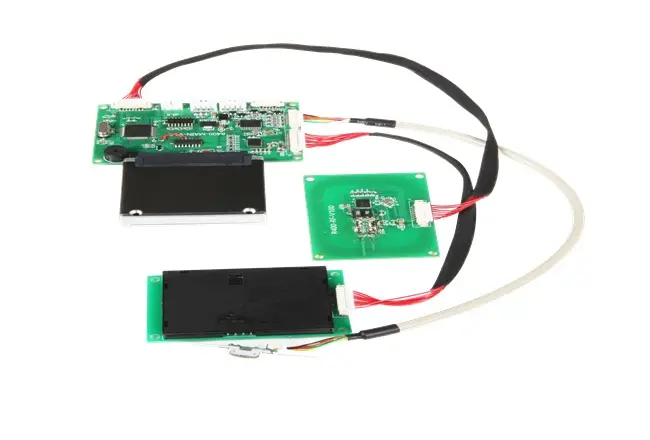
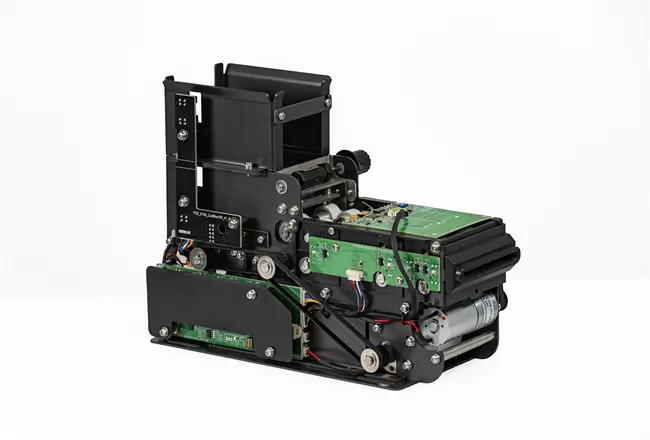
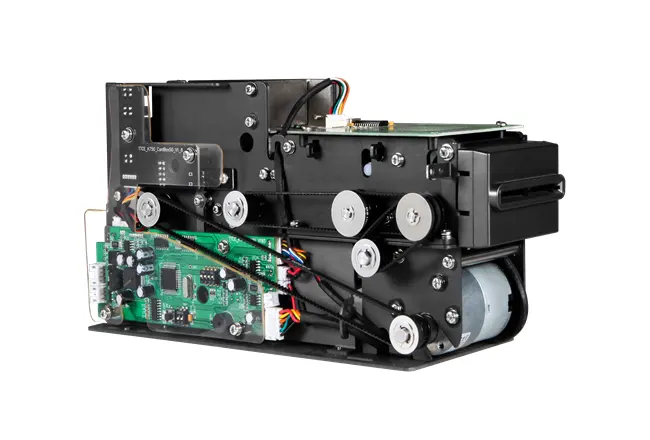
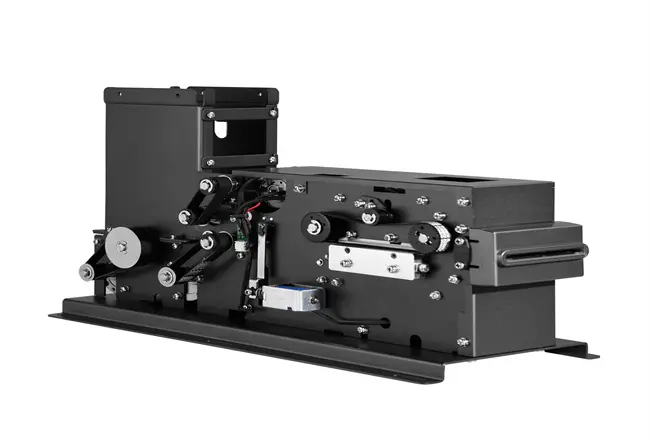
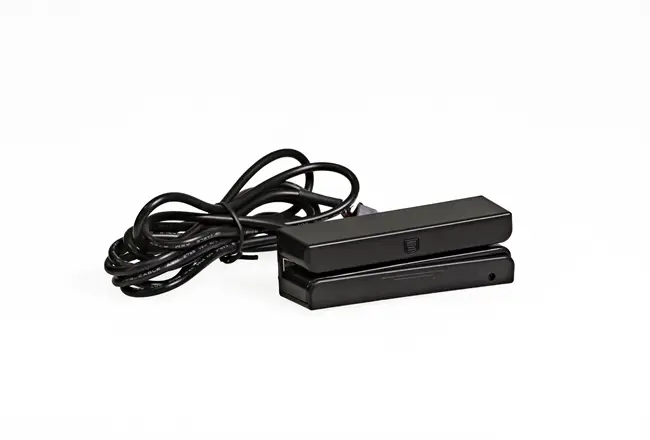
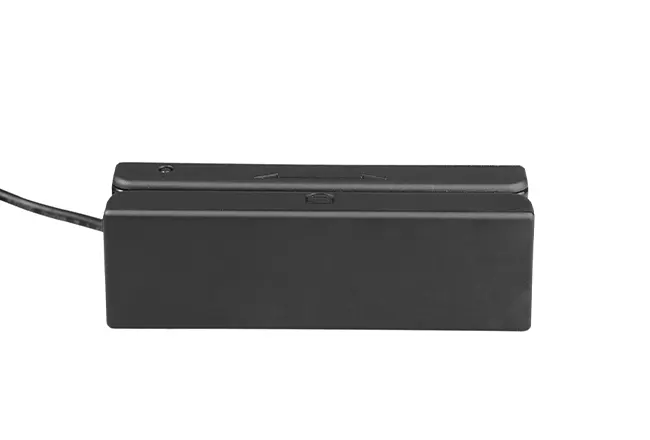
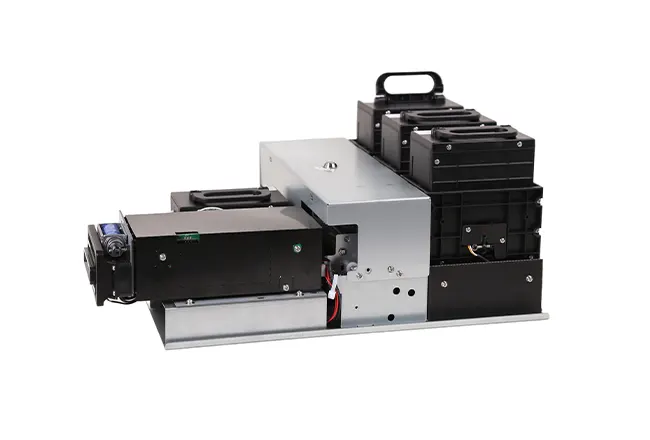
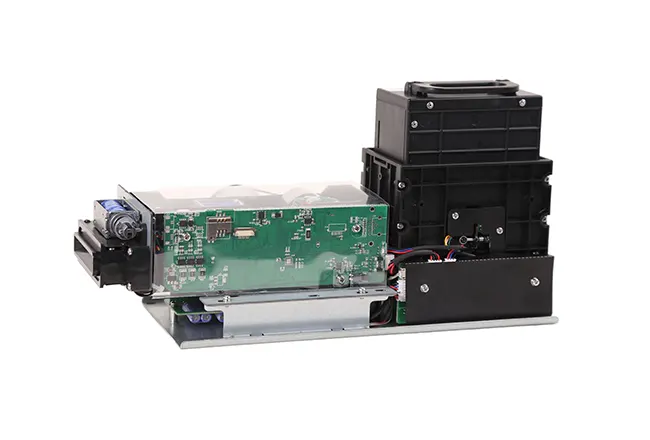
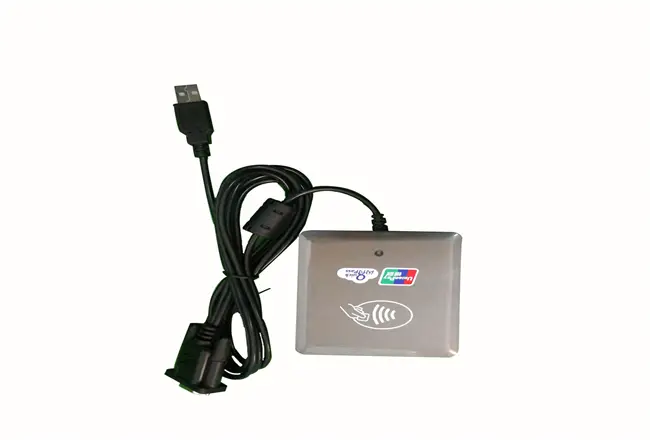
TTCE builds for integrators who must deliver under real-world constraints - tight timelines, mixed environments, and long support tails. Our NFC card reader and writer supports contactless IC cards across multiple protocols to fit access points, ticketing kiosks, turnstiles, and self-service terminals. It is engineered to be stable and durable because total cost of ownership depends on uptime, not spec sheet promises.
• Multi-Protocol Coverage: Reads ISO/IEC 14443 Type A & B; compatible with MIFARE 1 S50/S70, Ultralight, MIFARE Plus, DESFire.
• Reliable RFID Read/Write: Clean transactions that reduce retries, timeouts, and user frustration.
Ready for tomorrow: Dual SAMs; roll out crypto updates in stages - no board swap, no truck roll.
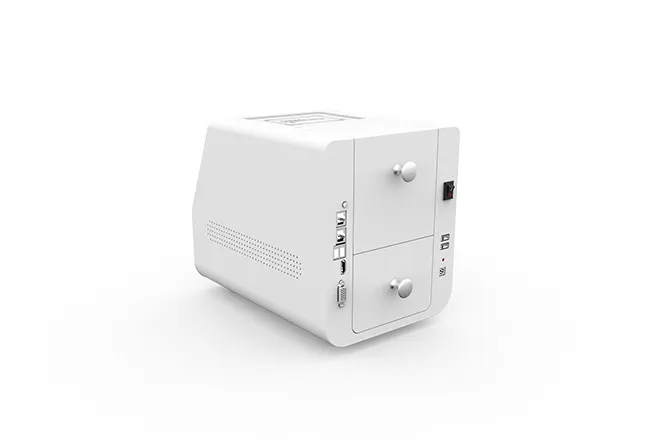
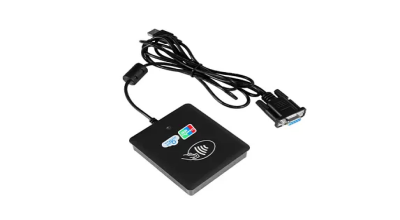
• Plays nice everywhere: RS-232 or USB means easy fit for legacy panels and modern hosts.
• One way to service: Same hardware, same firmware, same diagnostics - less to learn, less to stock.
- Result: Fewer part numbers, lower carrying costs. Dual SAM options streamline audits and shorten certification cycles for finance, healthcare, government, and enterprise. Standard RS232/USB lets you reuse cables, drivers, and brackets, lowering installation time and retooling costs.
- A Developer-Friendly Path
Engineering teams want predictable stacks. With a universal card reader and writer, they implement once, test once, and deploy everywhere. A clear command set and stable firmware shrink test matrices and limit field hotfixes. Product managers gain calendar certainty; operations teams gain sleep.
- Where The ROI Shows Up First
• Banking and financial services: contactless payments and authentication need strict key custody - dual SAMs enable clean key lifecycle management and separation of environments.
• Public transport: regional card diversity and high throughput demand a reader that handles Type A and B reliably for fast, consistent fare collection.
• Access control: offices, hotels, and event venues benefit from consistent door performance and simpler spare strategies with a multi-protocol RFID reader for access control.
• Retail loyalty and membership: quick validations reduce queue time and POS friction.
• Healthcare: secure patient identification and controlled record access require stable reads and robust key handling.
✅ One platform, better pricing.
✅ Reuse wiring, deploy faster.
✅ Fewer parts, faster fixes.
✅ Dual SAMs, audit-ready security.
✅ Upgrade credentials - no new hardware.
Practical Playbook: From Legacy To Scalable
Cost control is not only about hardware selection; it's about how you phase upgrades across environments that cannot pause. TTCE's approach is to meet systems where they are and guide them forward without disruption.
- Fast Plug-In Replacement
For brownfield installations, serial still rules. With RS232, you can swap in a modern reader without touching upstream logic. When new lines or controllers arrive, switch to USB using the same device family. That continuity preserves earlier investments and keeps sites stable through transitions.
- Security You Can Scale
Threats evolve, audits tighten, and keys must rotate. Dual SAM architecture lets teams separate operational domains, manage key hierarchies, and stage cryptographic upgrades by zone or tenant - without swapping the reader. Stronger authentication can be rolled out to high-risk areas first, then extended across the estate, turning security improvements into planned, budget-friendly sprints.
- Field-Ready Details That Matter
Installers and operators value small decisions that remove friction day to day. TTCE focuses on predictable RF performance, clear device responses, and robust RFID card read/write logging that aids troubleshooting. The result is fewer "ghost" issues, quicker root-cause analysis, and a steadier user experience at the door, gate, or checkout.
- What This Means for You
• One reader. All credentials.
• Simpler code. Smoother updates.
• Lower cost. Longer life.
Call to Action
Standardize now - choose a multi-protocol reader/writer for predictable, scalable integration. Talk to TTCE about a rollout plan that reduces cost, strengthens security with dual SAM options, and accelerates time to value - across access control, transportation, retail loyalty, and healthcare workflows.
