

How to Extend the Life of Card Dispenser Vending Machines
2025-10-27The reliability of a Card Dispenser Vending Machine is not a matter of luck; it is engineered into the product and preserved through consistent operations. At TTCE, we approach longevity as a system, not a single feature. Hardware, firmware, workflow design, and staff behavior work together. If one link fails, the whole chain wears faster. When these elements are aligned, machines run cooler, jam less, and deliver a longer service life with lower total cost.
Smart Design for Long-Lasting Performance
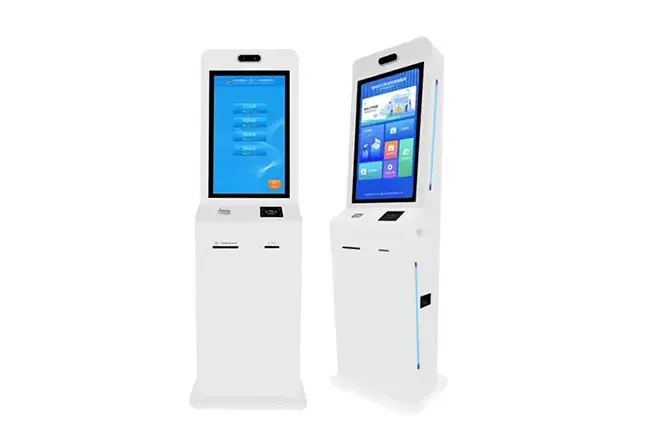
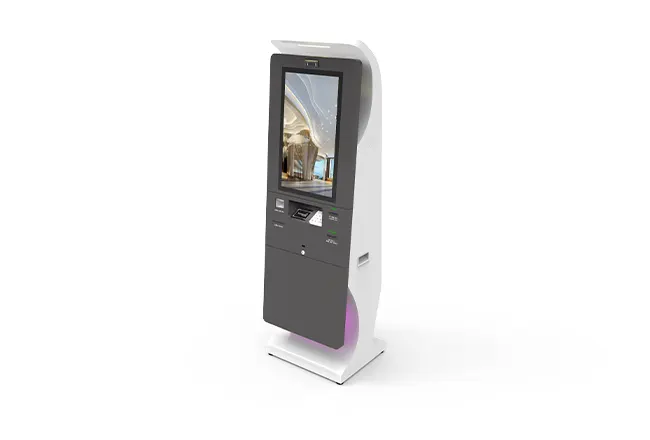
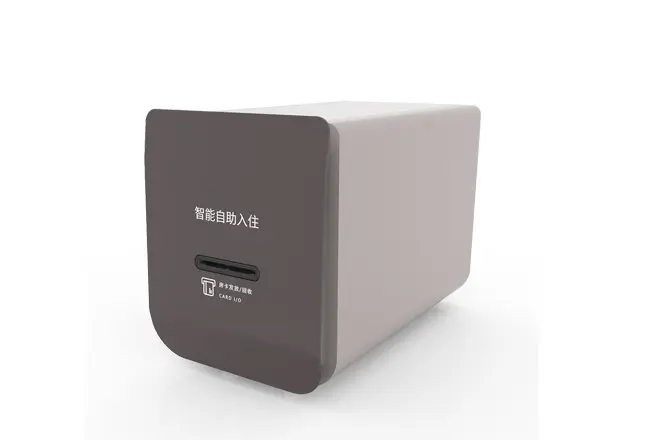
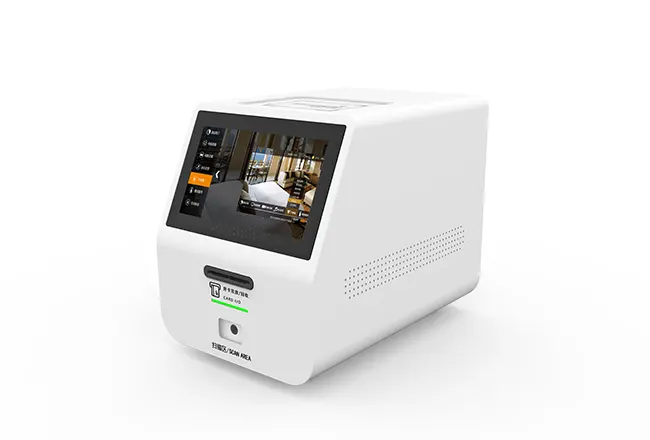
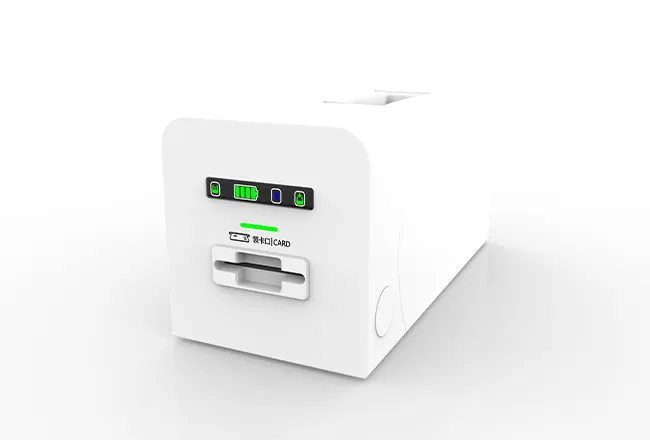
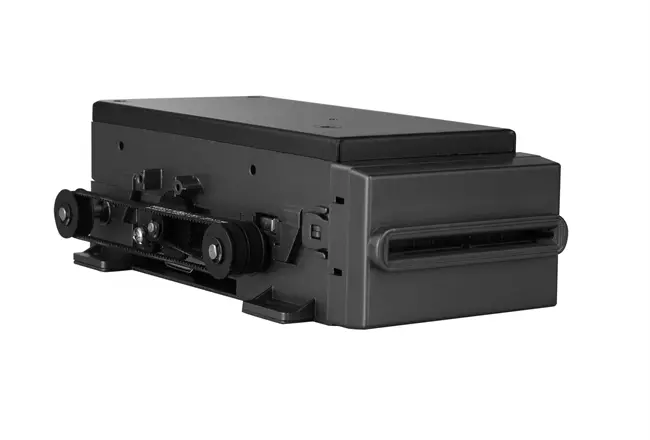
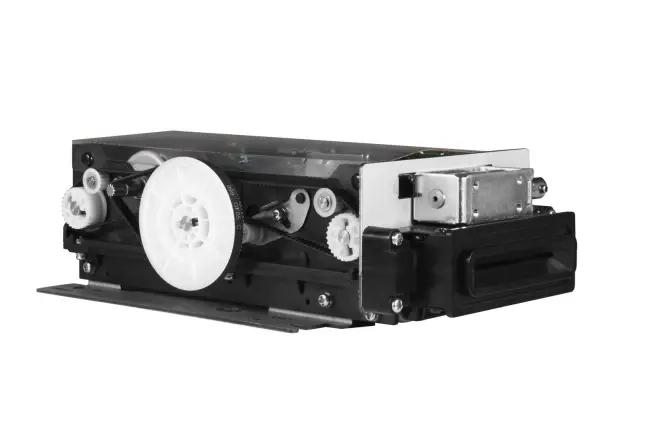
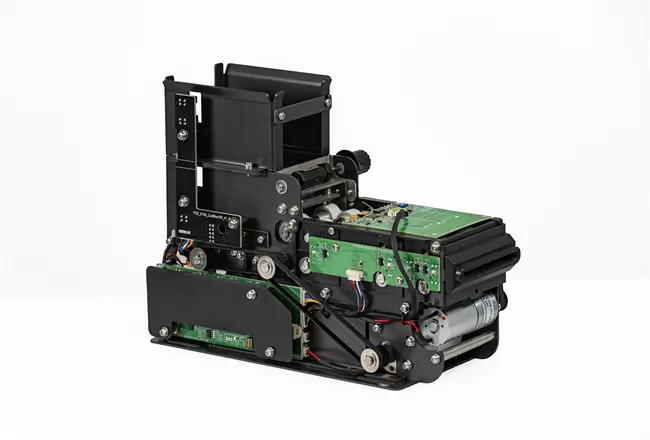
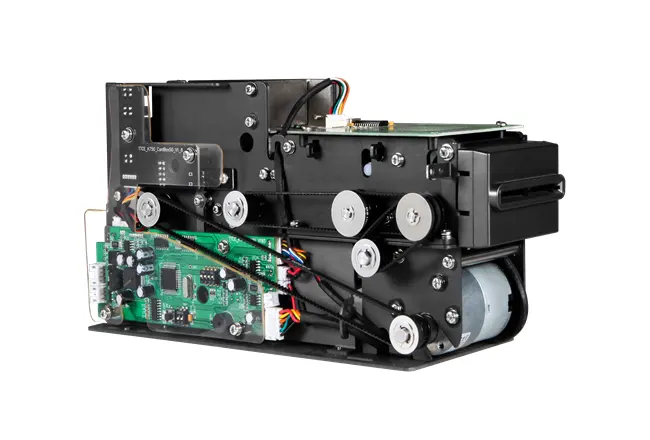
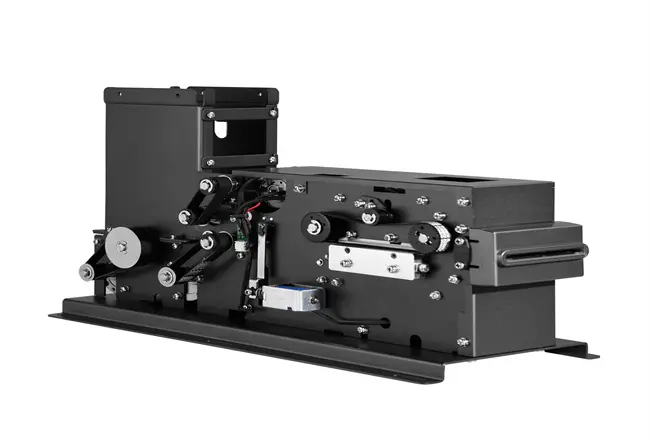
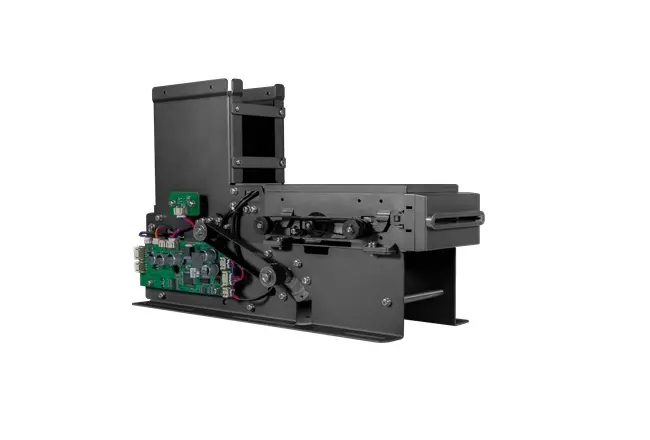
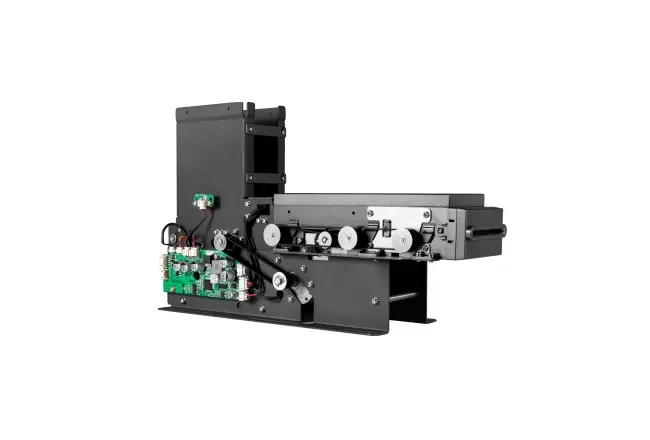
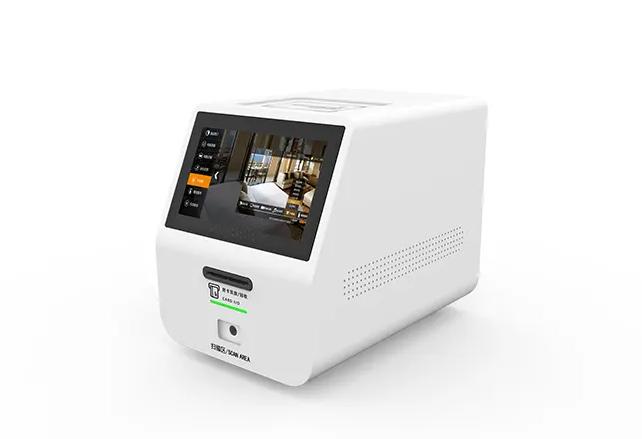
Durability starts with how a kiosk is put together. A compact, tabletop architecture gives a Card Dispenser Vending Machine the stability it needs on counters and reception desks without consuming scarce lobby space. Surfaces treated with industrial-grade paint resist scratches and chemicals, so housings keep their shape and finish after thousands of interactions. Internally, precision-machined channels maintain card spacing and alignment. Nail the path, minimize the headaches: fewer retries, smooth feeding, and no edge-wear spiral into grinding or misfeeds.
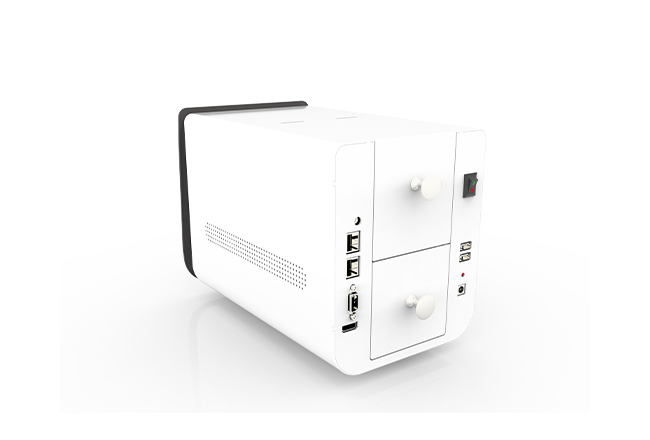
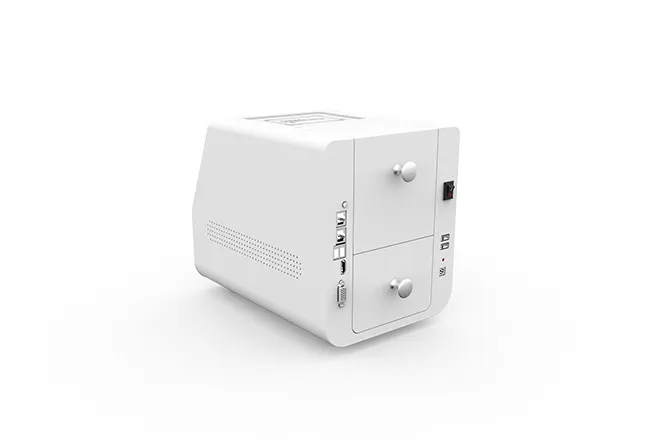
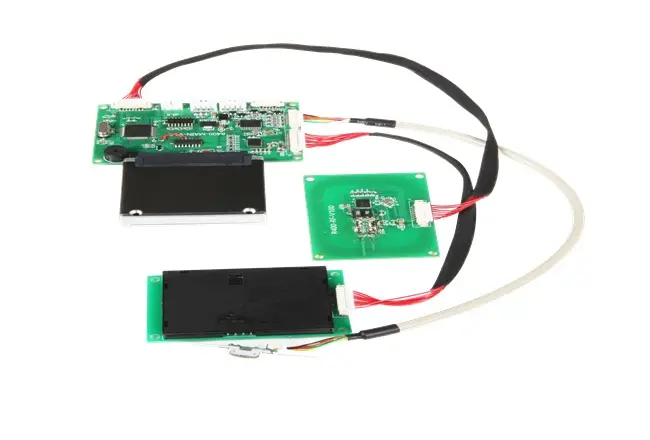
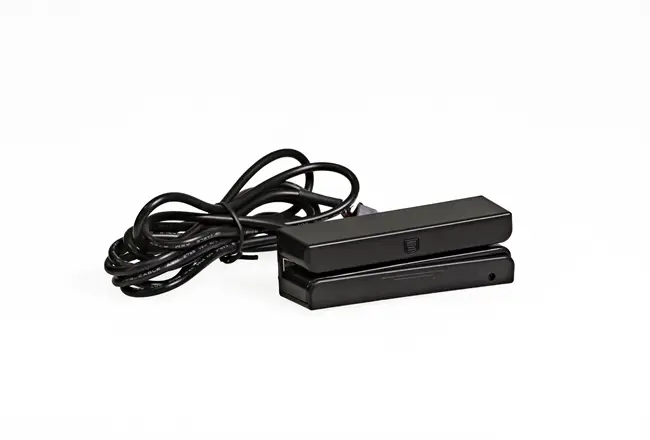
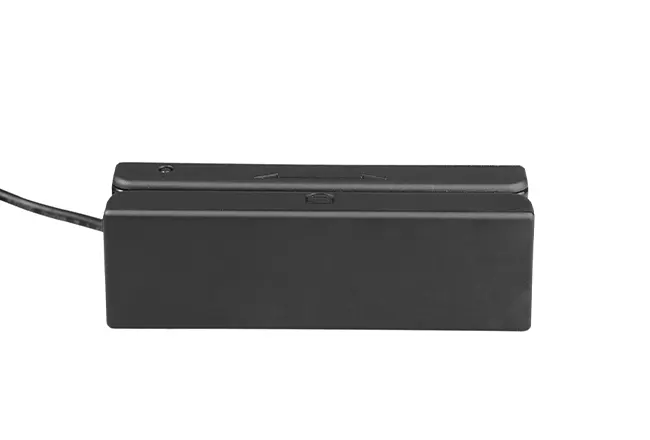
Integration is equally deliberate. TTCE designs combine electric card issuance, card input, and collection within one body so the mechanism moves cards efficiently from start to finish. The platform supports reading and writing contactless IC cards and reserves a dedicated position for an RF reader module. That lets integrators select different reader brands without reworking the chassis. On the software side, support for Windows or Linux means your IT team can standardize tools and keep drivers current. A simple USB connection to a PC terminal allows configuration and updates without service calls, while optional network features enable scanning codes and identifying ID information when the workflow requires it. This modularity is not just convenient; it prevents premature wear by avoiding mismatched add-ons and improvised brackets that introduce friction or misalignment.
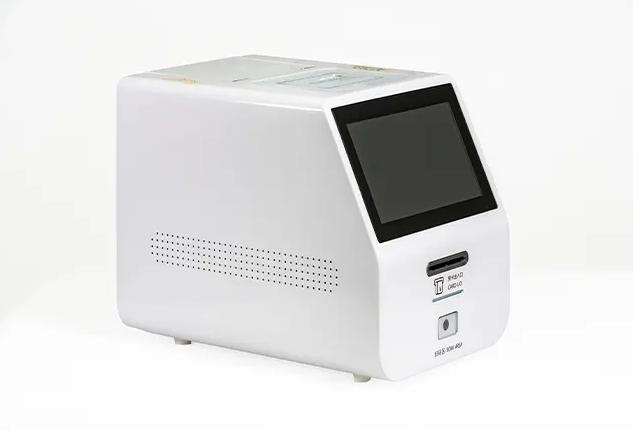
Smart protections extend life further. Built-in alarms - pre-empty, empty, recycled-card full, and issuance-failure - surface small problems before they turn into broken gears or overheated motors. Automatic classification of good and bad cards shields the mechanism from bent or contaminated media that could scratch guides or stall rollers. Materials also play a part: high-strength plastics in the channel hold geometry over time, and the overall industrial-grade construction tolerates dusty air and temperature swings found in real lobbies, stations, and clinics. Each of these choices slows the creep of wear.
Human-Centered Operations for Reliability
Most failures are predictable. Dust accumulates on rollers. Hopper stacks go out of spec. Firmware gets old and misses edge-case fixes. Network retries stretch transaction times. Longevity improves when these issues are addressed by habit, not heroics. Establish a simple weekly routine: wipe the card path, remove debris from guides, confirm hopper alignment, and check that alarms trigger as expected. Keep a short changelog for driver and firmware updates on your standard Windows or Linux image so each unit inherits the fix list during maintenance. None of this is complex, but it removes the friction that shortens life.
Daily micro-routines matter in high-traffic sites such as hotels, banks, hospitals, transport hubs, and entertainment venues. A quick three-minute inspection once per shift - clear the channel, verify the recycle bin status, and glance at the screen for error prompts - prevents the sort of "silent failures” that grind mechanisms for hours. Training is the least expensive life-extension tactic: label trays clearly, standardize how staff loads cards, and teach when to pause the machine instead of forcing a jam through. Small, consistent behaviors add years.
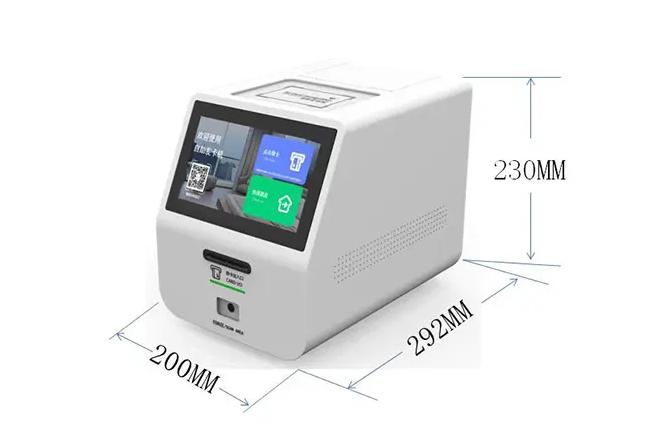
Interface design has mechanical consequences. A multi-functional touchscreen that guides users step by step reduces hesitation, double-inserts, and partial withdrawals that cause retries. Support for secure payment options - bank cards, POS, and digital transactions - keeps flows smooth instead of bouncing users between terminals. Fast ID recognition via code scanning or ID card reading avoids long dwell times. Shorter, clearer sessions mean fewer mechanical cycles per visit, which directly lowers wear. For SEO context and buyer research, this is the essence of a hotel self check-in kiosk key card dispenser: a tight, predictable interaction that protects the mechanism while improving guest experience.
When your estate grows, fleet visibility is a multiplier. Standardize logs for jam counts, alarm frequency, and average transaction time. Rising numbers in any of these are early warnings that a unit needs attention. A consistent data snapshot lets technicians intervene before continuous retries heat motors, polish rollers smooth, or deform guides. With this visibility, you fix one component instead of replacing a full mechanism.
Optimize ROI with Scalable Design
Extending life is not only about preventing failures; it is about making each machine useful across more scenarios without strain. TTCE designs are used in hospitality for self check-in/check-out and room key issuance; in retail for self-payment, loyalty registration, and product queries; in finance for self-service transactions, account inquiries, and bill payments; in healthcare for patient check-in, appointment booking, and digital forms; and in transportation and entertainment for ticketing and reservation management. The common pattern is simple: fast throughput with minimal operator intervention. When the same Card Dispenser Vending Machine shifts between these roles through software configuration rather than hardware rework, you preserve the mechanics and extend asset life.
A pragmatic upgrade path protects capital. The reserved RF reader location allows migration to standards such as MIFARE 1, ISO14443A, or ISO15693 without scrap. The operating system choice - Windows or Linux - keeps integration flexible as your stack evolves, while a straightforward USB link ensures that even air-gapped deployments can receive updates. For sites that require more compute, an industrial control host can be provisioned with a reliable baseline configuration, ensuring the UI remains responsive and transaction logic stays stable. Each of these decisions reduces the likelihood of makeshift fixes that introduce physical stress.
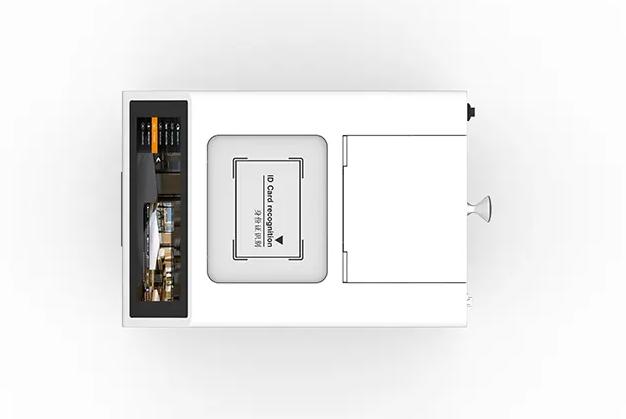
Watch for signs that action is due. If jam frequency increases with normal traffic, if alarms show up more often - or worse, get ignored - if transaction times drift upward because of network lag or confusing screens, or if you see visible wear on rollers and guides, schedule a short service window. Replacing a fatigued roller or recalibrating a reader costs far less than running a worn mechanism until it fails. This is especially true for a desktop card issuing machine deployed in environments with seasonal peaks; proactive care before the rush prevents cascading failures during your most important weeks.
Ultimately, longevity is the outcome of a balanced ecosystem: robust mechanical design, clean firmware, clear interfaces, informed staff, and a plan for upgrades. When those elements align, parts last longer, users move faster, and downtime becomes rare. Your maintenance team works on scheduled checks, not emergency calls. Your finance team sees lower spare-part spend. Your customers get a smooth experience that reflects well on your brand.
Call To Action
If you are ready to extend the life of your Card Dispenser Vending Machine fleet, reduce downtime, and protect your investment, talk to TTCE. As a high-tech enterprise recognized by China's Ministry of Science and Technology, we deliver durable hardware, seamless Windows/Linux integration, contactless IC card capability, smart alarms, and a design built for harsh environments. Let us tailor a compact, touchscreen-enabled, secure, and easily integrable solution for your lobby, branch, or clinic - and keep it running smoothly for years.
