

Automatic Card Dispenser Manufacturer Delivering Compact Modular Designs
2025-12-29Automatic Card Dispenser Manufacturer TTCE is committed to making card handling hardware smaller, smarter, and easier to embed in modern self-service and access control equipment. Kiosks, ticket machines, and hotel terminals are getting thinner, yet they are expected to do more. Users expect fast, error-free service, and operators cannot afford frequent downtime. In this environment, a simple "push-only” card dispenser is no longer enough. OEMs and system integrators need compact, closed-loop dispensers that install quickly, survive harsh conditions, and provide the controller with clear, real-time status information.
Compact, Modular Engineering from an Automatic Card Dispenser Manufacturer
As an Automatic Card Dispenser Manufacturer focused on intelligent terminals, TTCE encounters similar challenges in project after project. Housing volumes are shrinking, but the list of functions keeps growing: larger touch displays, multiple payment options, barcode scanners, cameras, printers, and additional sensors all competing for space. At the same time, organizations in hospitality, finance, transportation, and parking want to automate card handling while tightly controlling how cards are issued, collected, and reused.
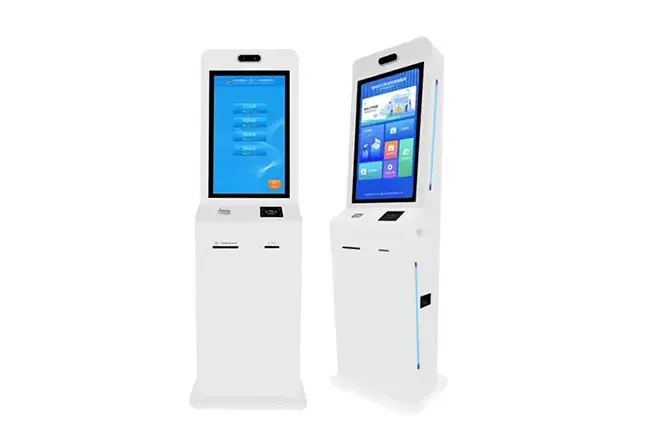
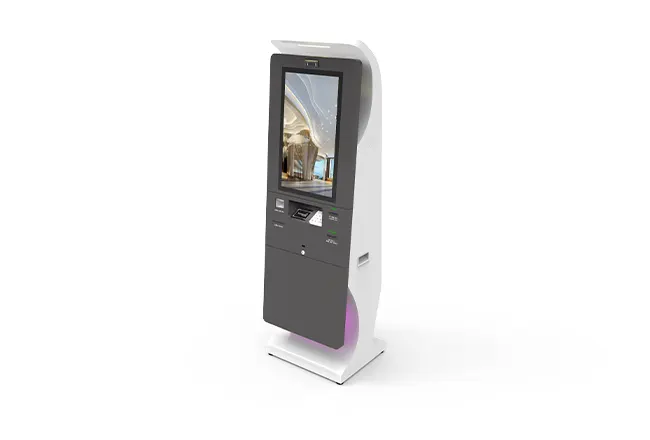
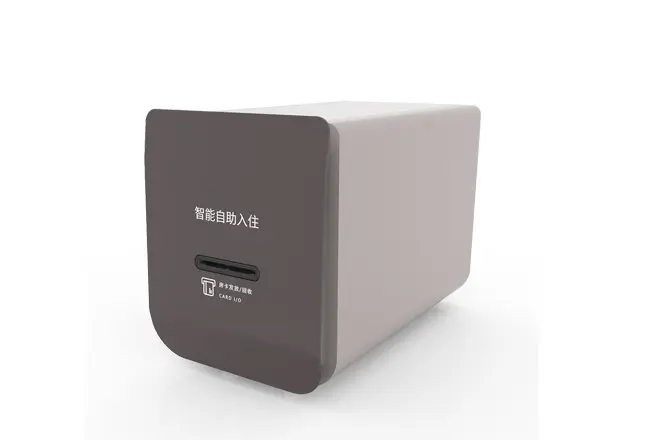
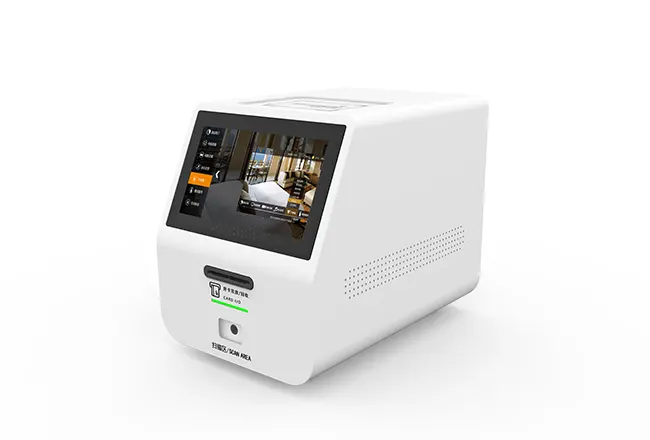
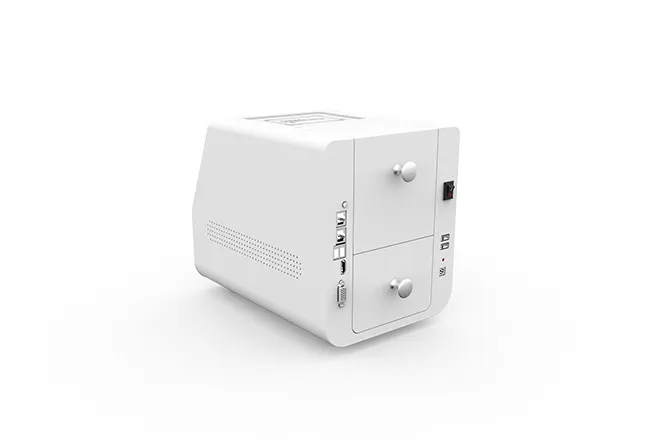
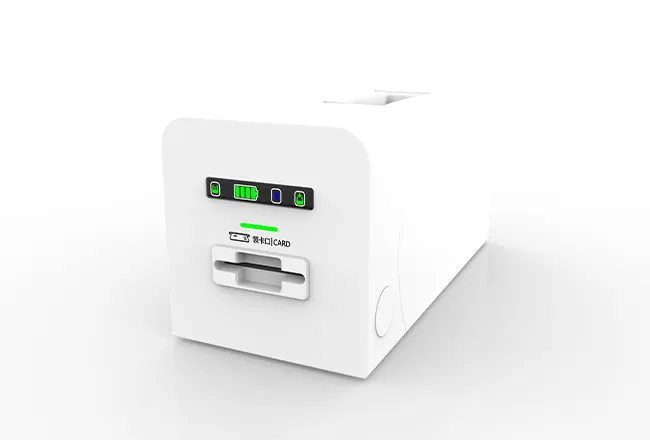
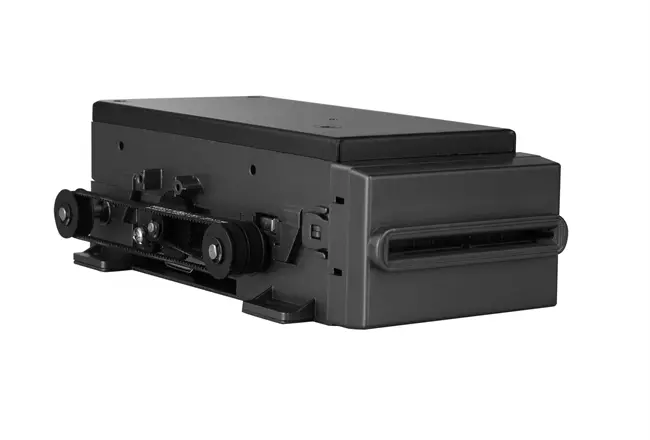
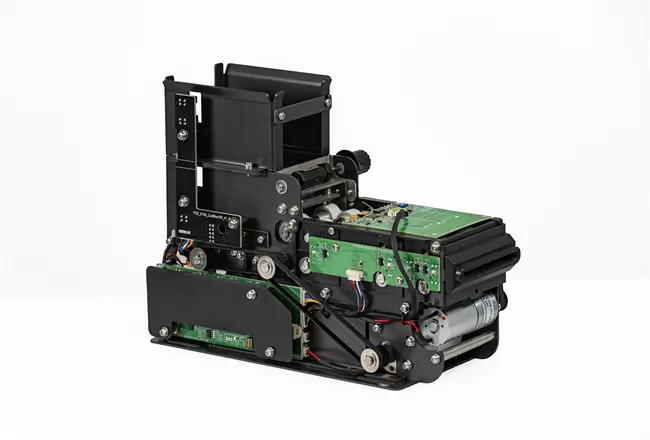
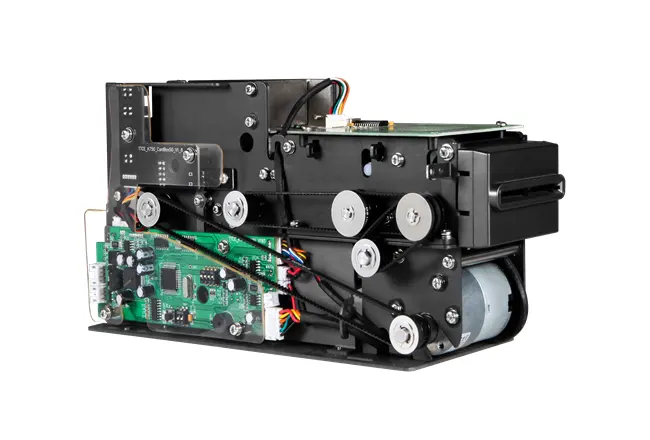
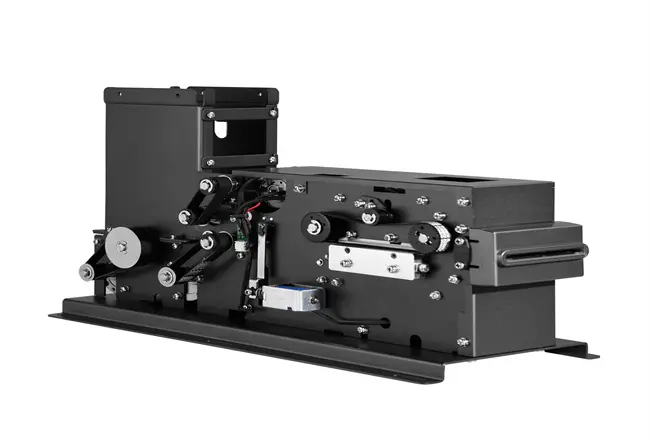
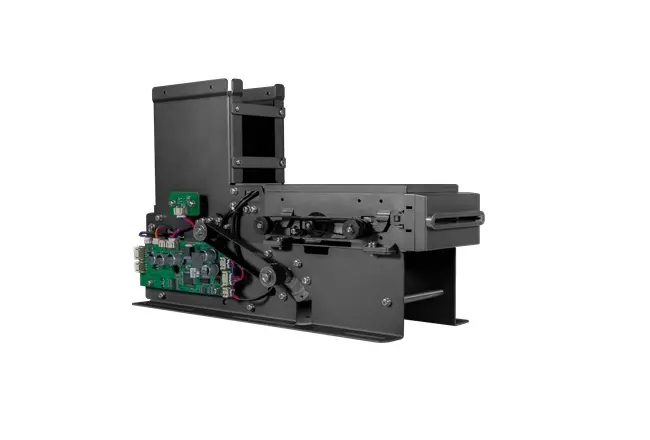
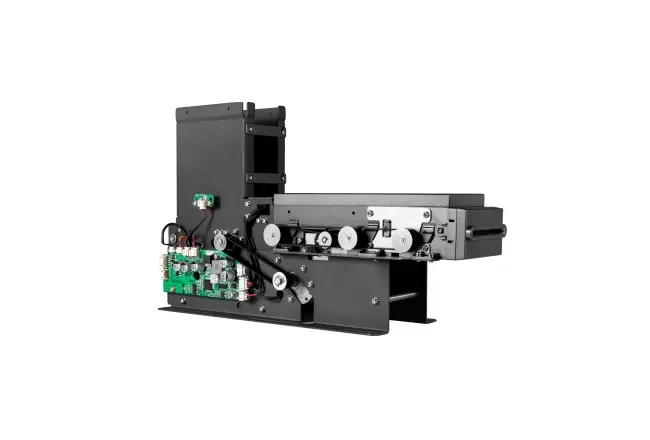
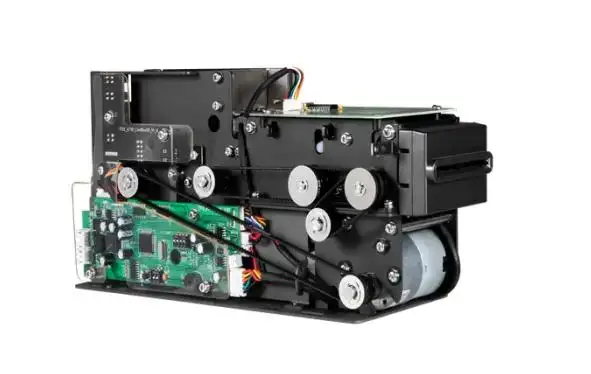
To address these pressures, TTCE designs a range of compact, modular card dispenser platforms that slide neatly into slim kiosks and desktop terminals. The mechanical footprint is deliberately reduced so designers can reserve more room for other components without sacrificing card handling reliability. Rigid structural parts, industrial-grade metals, optimized surface treatments, and high-precision machining work together to create stable card paths that maintain performance over long service life, even under heavy daily duty cycles.
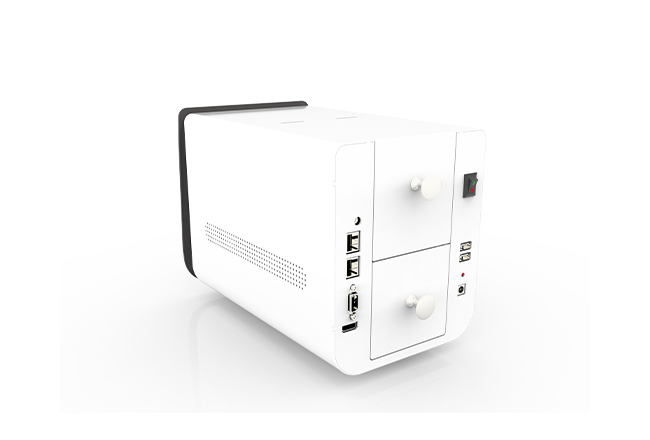
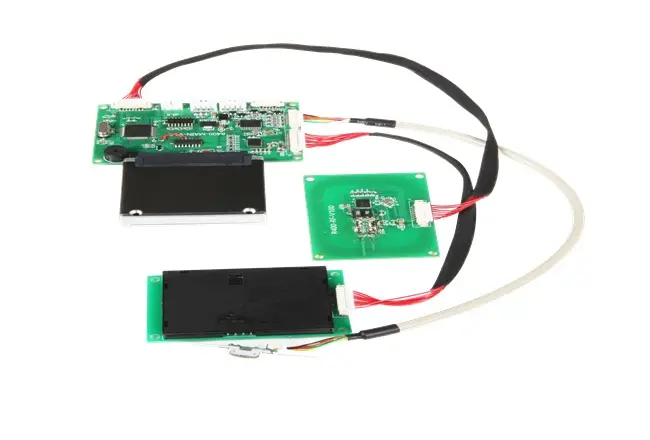
Modularity is treated as a core design principle. Instead of large, single-function machines that are difficult to adapt, TTCE's card dispensers include reserved areas for different RFID reader boards and use standardized interfaces such as RS232. This allows a single mechanical base to be configured for hotel keys, transit tickets, loyalty cards, access badges, or parking cards simply by changing the embedded reader and updating the software profile. For integrators, this approach reduces engineering overhead when rolling out new terminals or refreshing existing designs.
Everyday Stress on Card Issuance Systems
Real card-issuing sites rarely look like clean, climate-controlled labs. Cards can be slightly deformed, scratched, or swollen with age. People feed them in at the wrong angle or don't follow the prompts. The terminals themselves sit in busy entrances, semi-outdoor parking structures, or transit hubs that face dust, humidity, and constant temperature variation. Over the lifetime of a device, card types, data formats, and program rules often evolve.
With the experience gained as an Automatic Card Dispenser Manufacturer, TTCE has shaped its circulatory card architecture around these realities. Reinforced card channels and carefully controlled spacing allow the dispenser to handle typical card widths around 54 mm and thicknesses in the 0.7 - 1.0 mm range, including both paper and PC cards. CNC-machined paths help keep friction predictable and reduce the risk of skewing and jams, even when cards are not perfectly flat.
The mechanical and electronic design is specified for both high and low temperature environments and for installations where dust cannot be fully avoided. By keeping card motion stable under these conditions, the dispenser helps operators cut down on service calls, keep devices in operation for longer periods, and reduce the likelihood of user frustration at peak times such as hotel check-in, ticket purchase, or parking entry and exit.
Inside TTCE's Circulatory Card Platform
TTCE's circulatory dispenser is not just a one-direction feeder. It is built to issue, capture, and re-issue cards within a single compact module. This closed-loop behavior is critical in scenarios where cards must be returned, checked, and reused safely - such as hotel access control, parking systems, and corporate badge management.
At the heart of the system is a combined read-and-dispense module equipped with an RS232 communication interface. For integrators, this provides a robust and familiar communication link to a host controller, PC, or embedded CPU. The platform supports widely used contactless standards such as ISO/IEC 14443 and ISO/IEC 15693 and works with popular card families including Mifare 1 S50 and S70, Mifare Plus, and Mifare Desfire. This compatibility allows a single dispenser design to serve many vertical markets without the need for mechanical redesign.
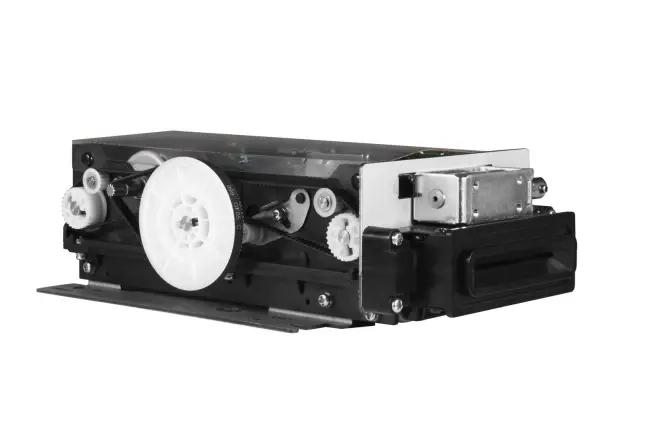
A key feature of TTCE's approach is the automatic adjustment of cassette depth. As the card stack rises and falls, this mechanism keeps issuing and collecting behavior consistent. Misfeeds are less likely whether the magazine is nearly full or almost empty - conditions where traditional dispensers often become unstable.
Working alongside the transport mechanism, a dense sensor network keeps watch over card presence, motion, and any abnormal conditions along the path. Live feedback is sent to the host controller, allowing the terminal to handle jams, low inventory, or unexpected user inputs without delay. Instead of generating a generic fault code and stopping, the system can guide the user, notify service staff, or trigger remote diagnostics, depending on the application.
- Practical Design Highlights for OEMs and Integrators
For organizations selecting an Automatic Card Dispenser Manufacturer, headline specifications alone rarely tell the whole story. The circulatory dispenser platform from TTCE is shaped by everyday integration needs rather than lab ideals:
✅One compact module that combines RFID reading and card dispensing, using RS232 for direct, stable communication
✅A space-conscious mechanical structure that supports thin cabinets, wall terminals, and small-form-factor devices
✅Self-adjusting cassette depth control to keep feed and collection performance steady as the card stack changes
✅Carefully arranged sensors that provide rich, real-time feedback for diagnostics and remote maintenance
✅Embedded RFID technology aligned with established contactless standards, including leading Mifare families
For OEMs and integrators, this means cleaner architectures, faster project rollouts, and more consistent behavior in demanding environments. Rather than building separate mechanisms for issuing and collecting, integrators can standardize on one compact, circulation-capable module and replicate it across multiple terminal types.
Where TTCE's Compact Dispensers Make a Difference
From the standpoint of an Automatic Card Dispenser Manufacturer, TTCE concentrates on converting compact, modular designs into real operational gains. Its circulatory dispenser platform underpins a variety of self-service and access control solutions where consistent uptime, secure media handling, and user-friendly workflows are equally essential.
Across banking and financial applications, TTCE card dispensers give operators a secure way to issue ATM and debit cards from kiosks and in-branch devices. Using TTCE's platform, the terminal personalizes, authenticates, and issues active cards at the front end, while quietly retracting any out-of-date or non-compliant media and holding it for regulated destruction. This approach reduces manual card processing, aligns with regulatory and audit expectations, and gives customers a faster, more convenient way to receive and manage their cards.
Public transport systems rely on similar modules to issue and reload fare cards, venue tickets, and local passes. When the ability to read, encode, issue, and retrieve contactless cards is built into a single compact unit, fare collection schemes are easier to configure and update, and offerings like stored-value smart cards or time-based tickets become simpler to manage. Passengers see shorter lines and more self-service options; transit operators gain clearer data and lower recurring labor costs.
Within hotels and resorts, TTCE's compact dispensers link into access control platforms so that room keys can be issued, extended, or replaced automatically at self-service points. Guests can obtain or replace room cards at self-service terminals 24/7, and returned cards are collected, checked, and routed for reuse in a controlled way. The result is higher check-in capacity, strong and consistent access control, and a more seamless guest experience - without stretching front desk resources too thin.
In retail and loyalty programs, instant card issuance helps convert visitors into members on the spot. Equipped with TTCE dispensers, kiosks can personalize loyalty, VIP, and pre-paid cards in a matter of minutes, turning everyday visits into stronger brand interactions. Parking operators deploy the same platform to distribute and reclaim access cards or tickets, which helps keep cars moving, reduces issues caused by worn or damaged media, and supports sophisticated pricing and loyalty schemes.
² TTCE as Your Long-Term Automatic Card Dispenser Partner
The Automatic Card Dispenser Manufacturer you choose will determine key factors such as device footprint, total cost of ownership, and customer satisfaction over the full service life of the solution. TTCE brings together heavy-duty engineering, compact modular hardware, and proven circulatory card handling to support OEMs and integrators in sectors such as banking, transport, hospitality, retail, and parking.
When new card-based solutions are on the drawing board - or existing infrastructures are due for an upgrade - early cooperation with TTCE's engineering group is especially valuable. By jointly assessing card specs, installation environments, transaction logic, and host interfaces, you can arrive at an optimal configuration of TTCE's circulatory dispenser platform.
By partnering with a specialized Automatic Card Dispenser Manufacturer like TTCE, device builders can deliver terminals that are more compact, more modular, and more robust - providing end users with smoother interactions and giving operators a more predictable, cost-efficient card issuing infrastructure.
