

Blog Related

How to Close ATM Magnetic Stripe Reader Safety Loopholes?
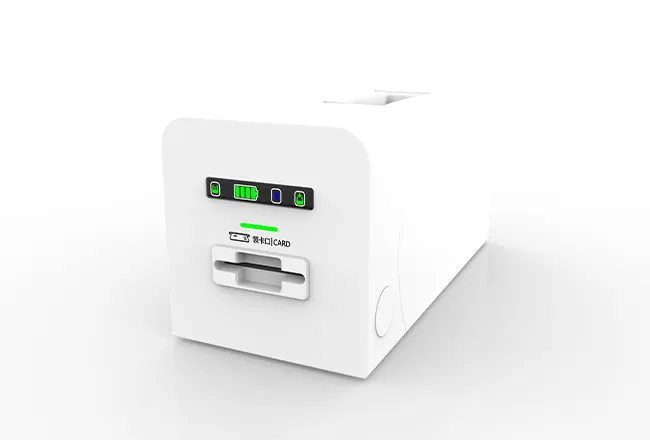
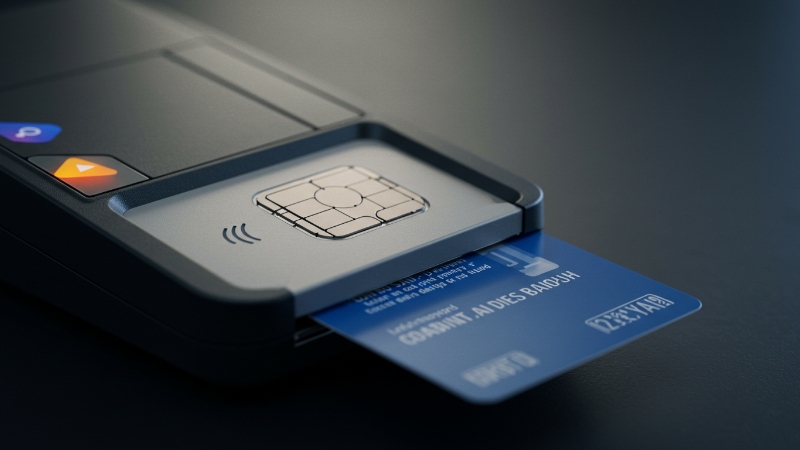
2025-08-19ATM Magnetic Stripe Reader security defines the trust users place in every tap, swipe, and card insert. From the manufacturer's bench at Tianteng, we see how small mechanical choices, firmware habits, and maintenance routines either harden your perimeter - or open the door to fraud. Below we share a practical, field-tested approach and introduce how our TTCE-M100 motorized card reader closes the gaps that keep banks, transit systems, and self-service operators awake at night.

Why ATM Magnetic Stripe Reader Security Gaps Persist
Most incidents do not start with advanced malware; they begin with very physical problems. Dust, debris, and foreign objects wear parts faster. Misalignment invites card jams. A loose bezel creates space for skimmers. Inconsistent cleaning policies leave traces that attackers exploit. When an ATM Magnetic Stripe Reader struggles to accept a card, customers retry, queues grow, and on-site staff intervene - each step widening the attack surface. Downtime is not only lost transactions. It is brand erosion. When a machine rejects a card or feels unsafe, users walk away and tell others. The pain multiplies across fleets: dozens or hundreds of units needing inspection, swaps, and recalibration. Add regulatory pressure and the cost of rushed field service, and the total impact overshadows the price of quality components. Security teams often focus on software patches while mechanical integrity lags behind. Yet skimming is a mechanical crime first. The bezel, shutter, and transport path set the baseline. If those are robust, software has a chance. If not, even the best encryption arrives too late. For long-term resilience, an ATM Magnetic Stripe Reader must simplify cleaning, resist tampering, and behave predictably during power loss - because outages happen.
Tianteng's TTCE-M100: Closing the Security Gap
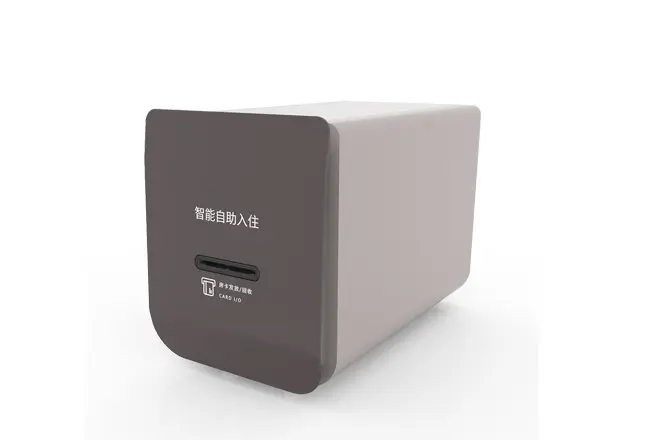
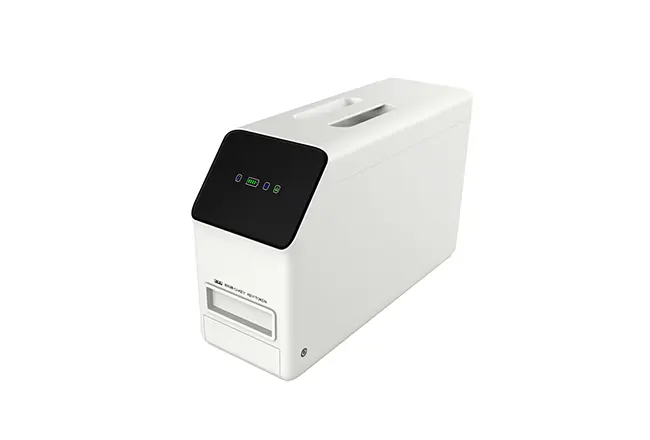
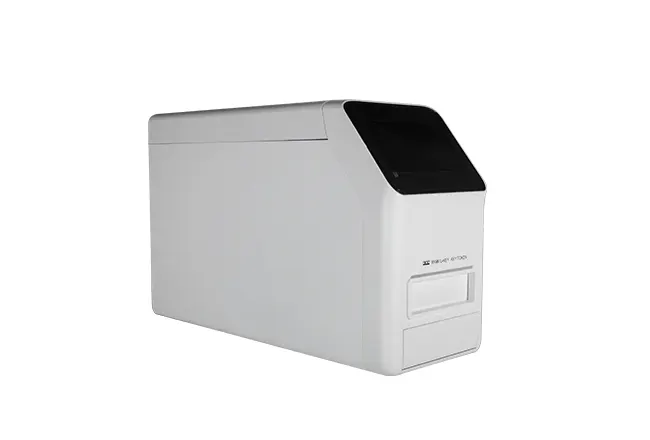
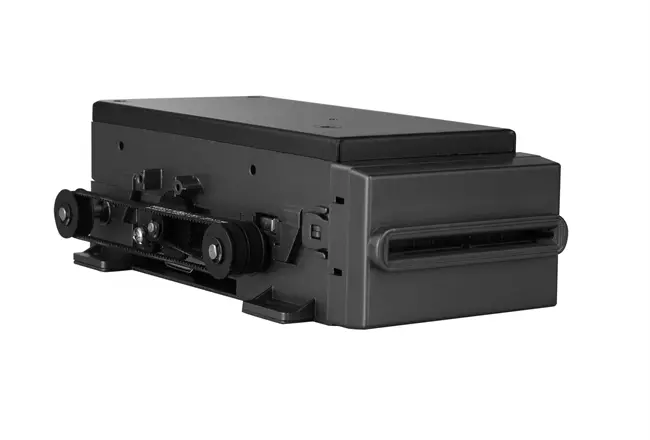
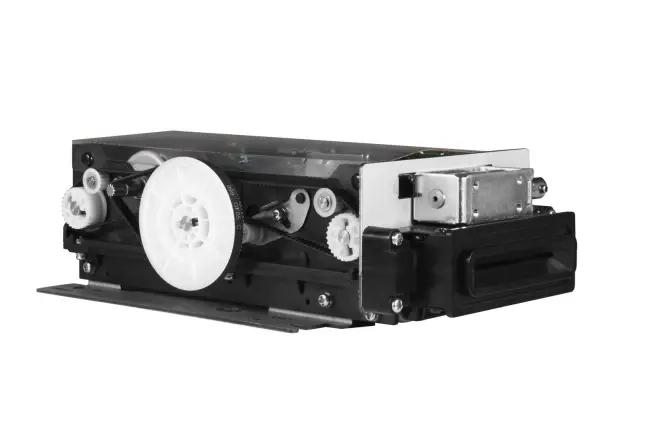
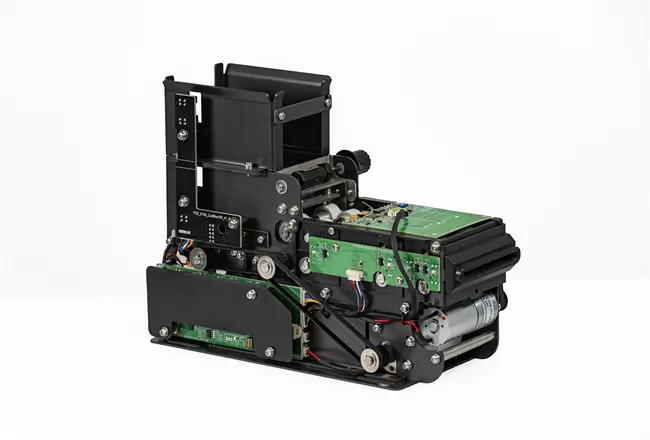
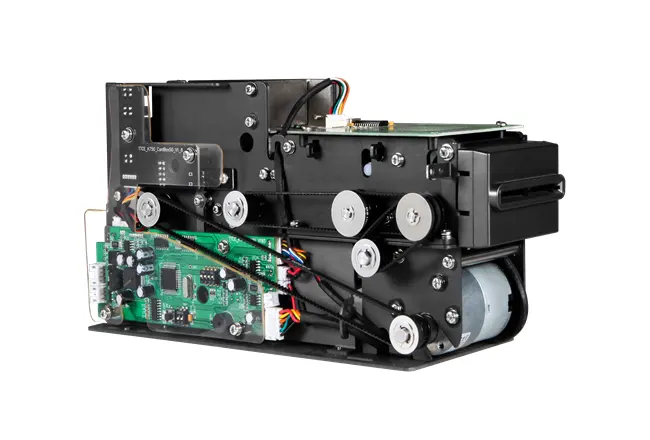
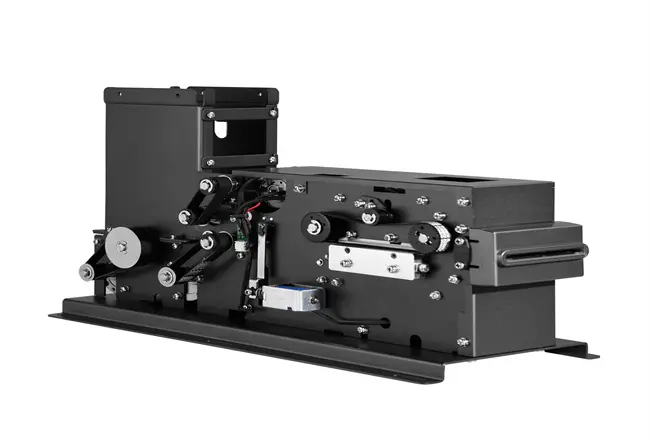
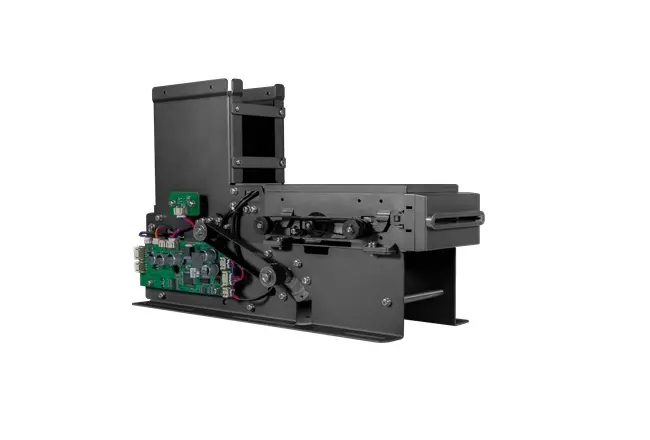
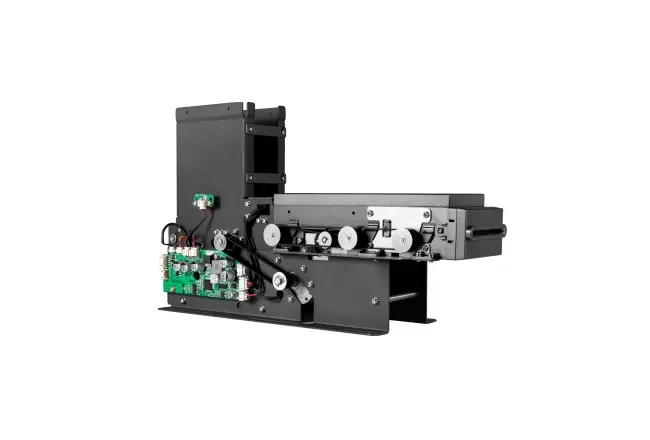
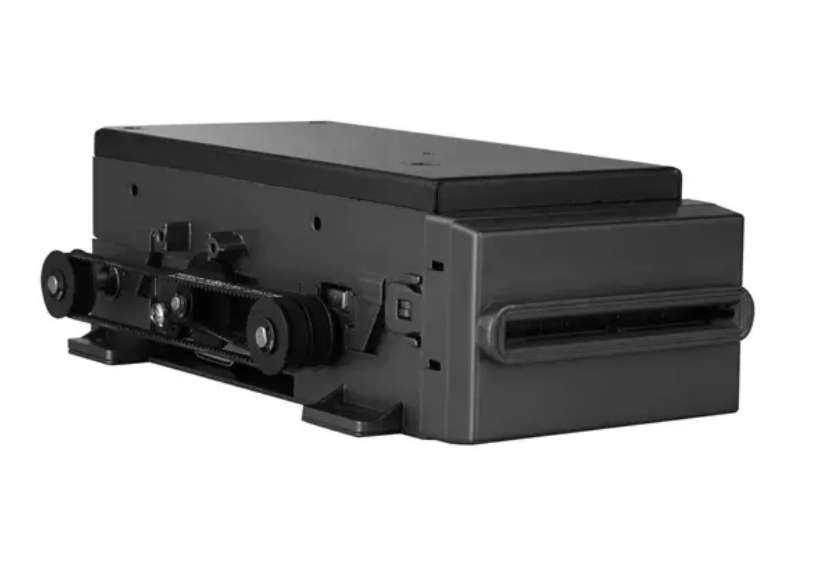
At Tianteng, we designed TTCE-M100 around the realities above. The reader uses a dual-shutter protection concept: one layer shields the entry from dust and foreign objects; the other protects the motor and internal path. This reduces opportunities for insert overlays and makes illicit attachments harder to seat. The bezel resists debris and tampering, so the front line - where attacks begin - stays tight. Inside, the main body uses durable composite materials with a stainless-steel channel where the card travels. This mix balances lightness, strength, and wear resistance. The card stays aligned, and swipes remain precise across long service intervals. Mechanics matter for security: stable, consistent transport supports accurate magnetic reading and reliable IC/RFID contact, which in turn reduces ambiguous states that attackers love to exploit.
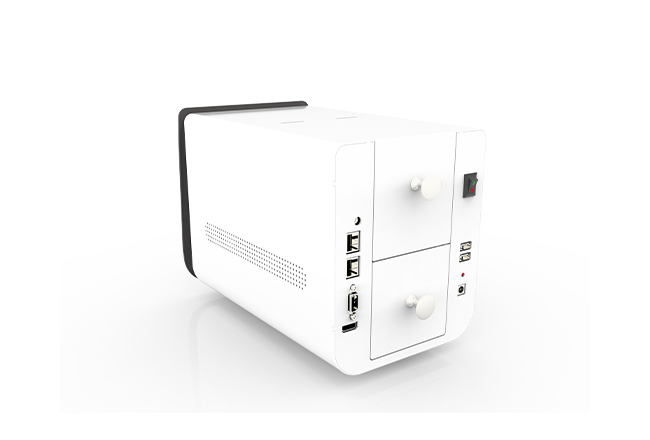
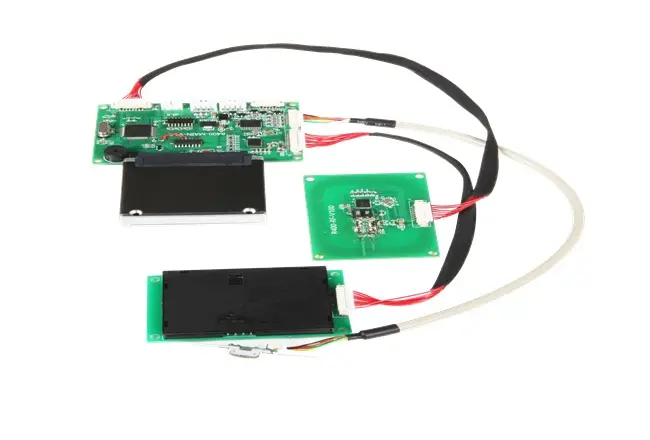
Your network likely mixes payment, ID, and loyalty cards. TTCE-M100 handles magnetic stripe, IC (contact), and contactless RFID in one motorized unit. That means fewer apertures on the fascia, fewer modules to maintain, and fewer gaps to defend. PSAM options strengthen secure element operations for authentication and cryptographic workflows. For operators, this also eases firmware governance because one device family spans many use cases. Security collapses when maintenance becomes a chore. That is why TTCE-M100 uses a modular design you can open quickly for cleaning and part swaps. The power-down card-eject function clears the path safely during outages, preventing stranded cards and frustrated customers. Compatibility with common communication protocols simplifies integration with existing controllers and monitoring tools, so you gain visibility without a forklift upgrade. TTCE-M100 protects more than ATMs. It fits self-service banking, public transportation gates, access control for offices and hotels, retail kiosks, and secure ID points in government and healthcare. One hardened reader across all these environments means consistent policy, shared spares, and predictable behavior.
• Feature Snapshot
✅Dual-shutter inlet blocks skimmers and keeps dust/foreign objects out
✅Motorized transport delivers precise, jam-resistant card handling
✅All-in-one: magnetic stripe read + IC/RFID read/write
✅PSAM-ready to strengthen authentication workflows
✅Modular design for quick disassembly, cleaning, and service
✅Broad protocol support for plug-and-play integration
CTA: Planning an ATM magnetic stripe reader security upgrade? Contact Tianteng to request a TTCE-M100 sample, schedule a technical walkthrough, or get integration guidance tailored to your fleet.
Implementation Guide & Best Practices for ATM Magnetic Stripe Reader
• Hardening Steps That Pay Off Quickly
Start at the fascia. Validate that bezels seat flush with no play. Confirm the dual-shutter action is smooth and consistent; friction hints at debris. Align policy with hardware: if your location is dusty or high-traffic, shorten the cleaning interval and document a simple, repeatable routine. The TTCE-M100's tool-light access means staff can service units quickly without risking damage. Next, enforce tamper checks in your daily open/close procedures. Train staff to feel, not just see: a slightly different click, a sticky insert, or a wobble is often the first sign of tampering. Pair these tactile checks with telemetry. Because TTCE-M100 supports common protocols, you can flag abnormal reject rates or unusual transaction timing and route technicians proactively. Finally, align power-loss behavior with customer experience. With power-down eject, customers keep their cards even if the branch blinks. This prevents disputes, chargebacks, and manual retrievals that distract staff and expose internals.
Security is a rhythm, not a one-off project. Build a calendar that balances audits, cleaning, and firmware updates. Keep spare modules on hand so a unit can be swapped and serviced offsite. The modularity of TTCE-M100 enables this hot-swap style: faster recovery, less exposure. Document photos of a “known-good” fascia and entry for each site; a quick comparison during rounds helps catch subtle changes. Short training videos go a long way, and because the reader is consistent across verticals, the same material supports motorized card reader for self-service kiosks and ATMs alike.
When replacing older readers, start with a pilot cluster that includes a busy branch, a quiet location, and one demanding environment like a transit hub. Validate acceptance rates, cleaning time, and any changes in customer flow. Because TTCE-M100 consolidates magnetic, IC, and RFID functions, you can often retire extra modules and simplify cabling. This reduces openings on the fascia - and each closed opening is one less skimming surface.
Pair the rollout with simple signage: “This machine protects your card with advanced anti-tamper design.” Customers notice, and confidence grows. Internally, update your incident playbooks: with power-down eject and dual-shutter protection, some legacy steps become unnecessary. The fewer exceptions your staff manage, the safer the system stays.
Why Tianteng?
We build devices for the places where people meet machines. Our test rigs stress readers in the ways the field will. We obsess over tolerances, path geometry, and service access, because we know a strong mechanical foundation makes every cryptographic feature more effective. With TTCE-M100, you get a reader that treats ATM Magnetic Stripe Reader security as a full-stack problem - from entry bezel to protocol handshake.
Call to Action: Strengthen your fleet now. Talk to Tianteng about TTCE-M100 specifications, engineering samples, and deployment playbooks. Let's turn every insert into a moment of confidence.
